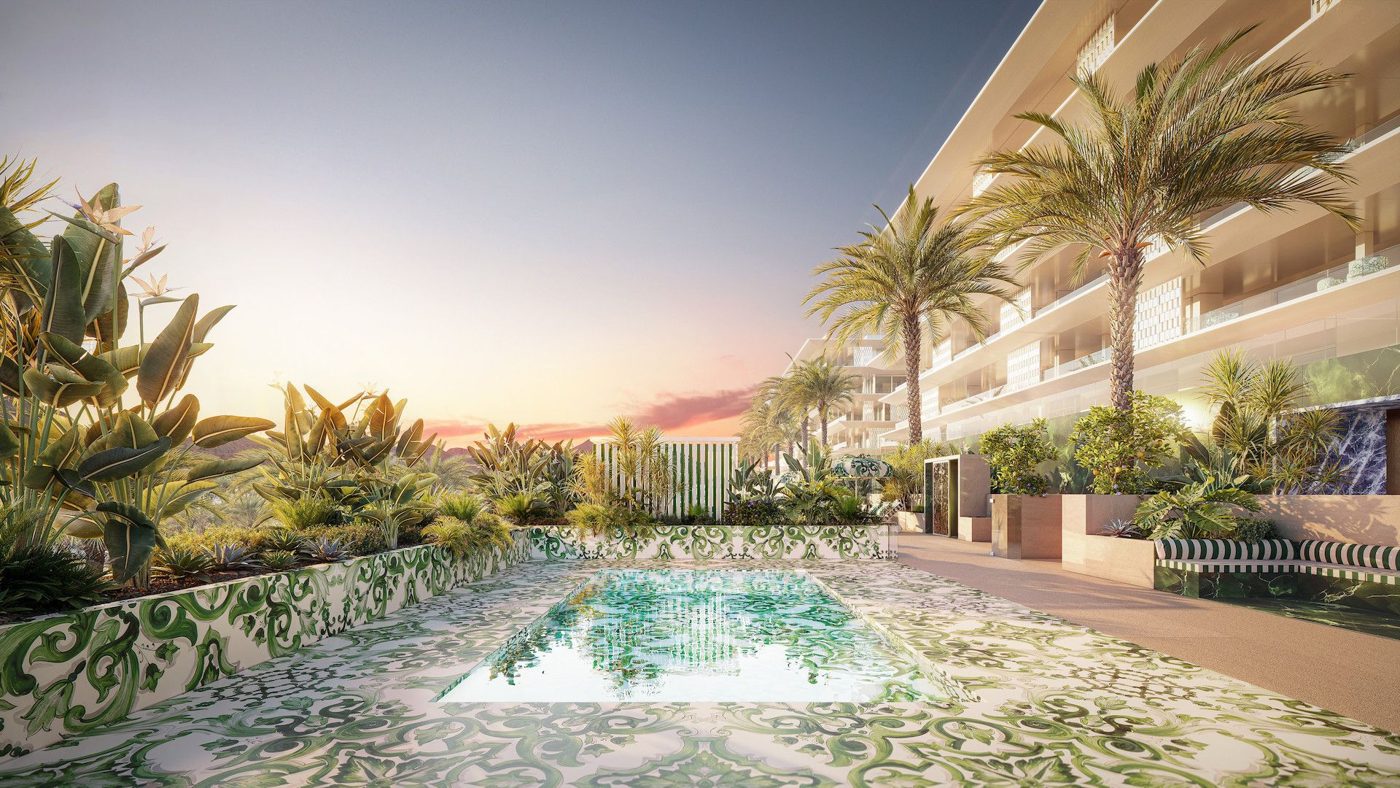
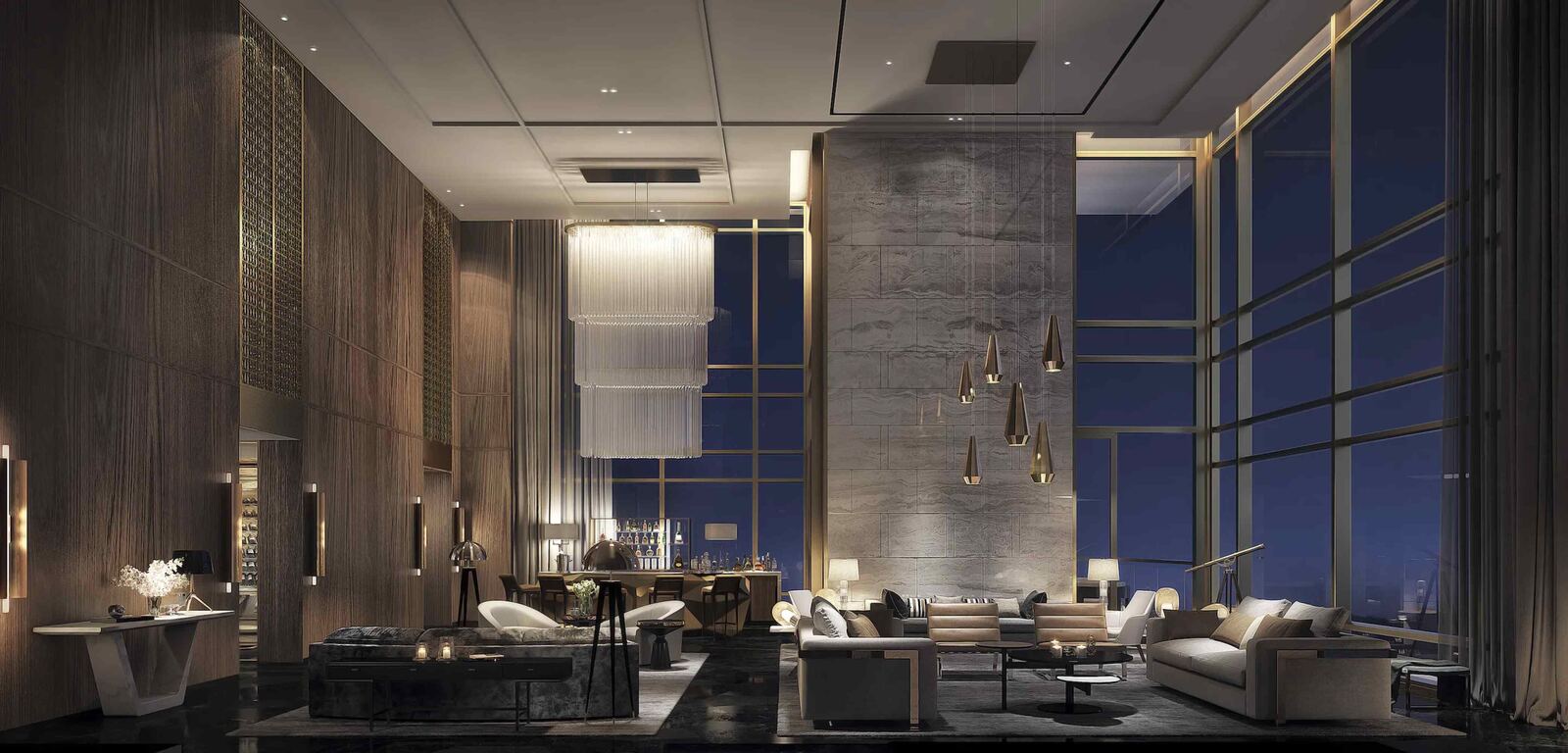
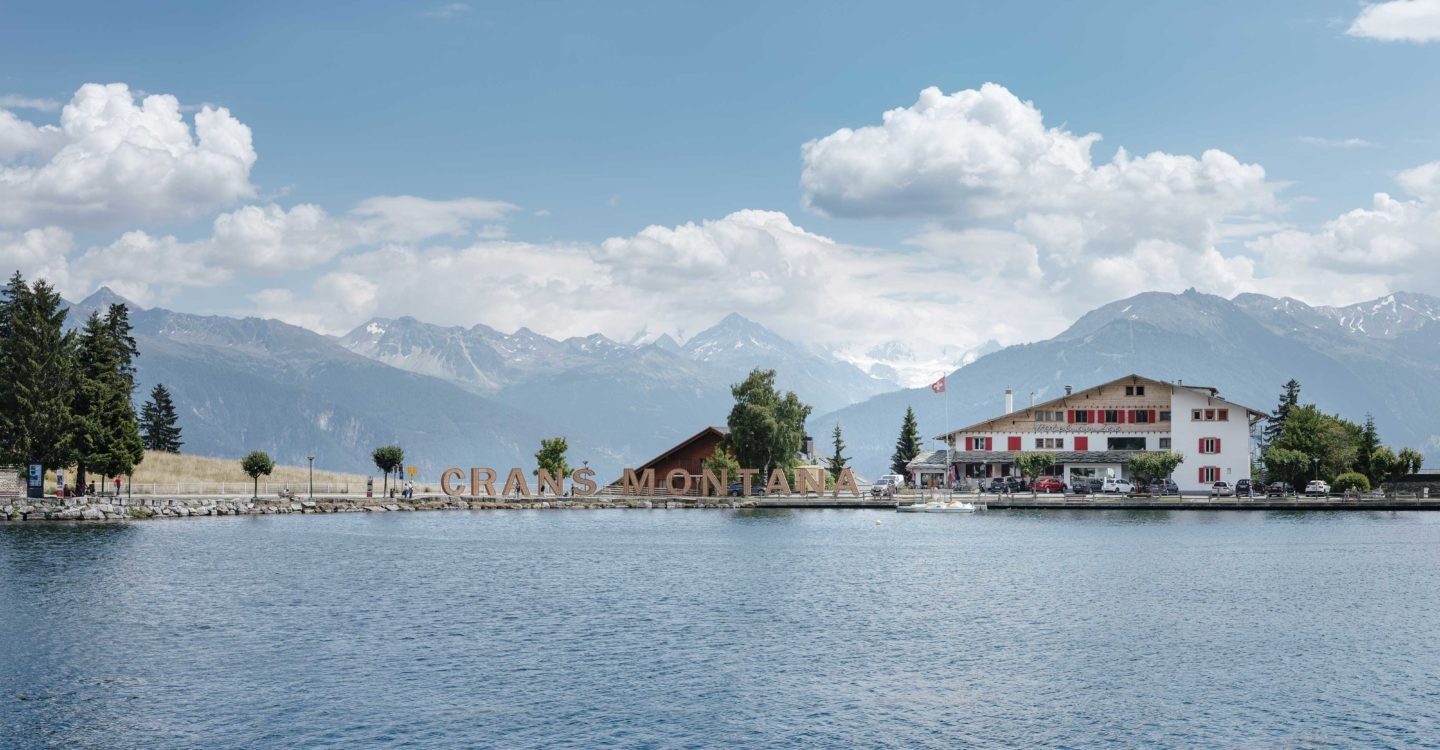
 Photo: Six Senses Residences Crans-Montana, Valais — Brand Atlas
18 September 2026 ·5 min read
Branded Residences in Switzerland: Lex Koller, Alpine Scarcity and the Hardest Market to Enter

Every developer who looks at Switzerland arrives at the same conclusion: the demand is obvious, the sites are stunning, and the rules make almost all of it impossible. That is precisely why the schemes that do qualify command the premiums they do.
Where the market actually is
- Andermatt (Uri) — the singular case. A federally supported tourism resort where the Lex Koller restriction was lifted for the Andermatt Swiss Alps development, allowing foreign buyers to purchase freehold without permit quotas. This is the only large-scale alpine market genuinely open to international buyers.
- Crans-Montana (Valais) — an established international resort with a strong luxury hotel and wellness cluster, and branded residential product aimed at both Swiss and permitted foreign buyers.
- Verbier, Zermatt, St. Moritz, Gstaad — the classic alpine trophy markets. Tiny supply, extreme prices, and severe constraints on foreign acquisition and on new second-home construction.
- Geneva and Zurich lakeshore — urban and lakeside prime, dominated by resident and Swiss buyers; branded product is rare and highly sought.
- Lugano and Ticino — the Italian-speaking south; a smaller market with stronger cross-border appeal.
The two laws that define feasibility
- 01Lex Koller (Federal Act on the Acquisition of Real Estate by Persons Abroad). Non-resident foreigners generally require an authorisation to acquire Swiss residential property, and cantonal quotas for holiday-home permits are limited, allocated annually and unavailable in many cantons. Permitted units carry restrictions on size, on letting and often on resale. EU and EFTA nationals resident in Switzerland are treated as Swiss for these purposes; non-resident non-EU buyers face the tightest position.
- 02Lex Weber (the second-home initiative). Communes where second homes already exceed 20% of housing stock — which is most alpine resort communes — cannot approve new second homes, subject to exceptions for historic buildings and for structures with a hotel-linked or commercially serviced use. This is what pushes new alpine product towards serviced, operated, hotel-linked formats, which is to say towards branded residences.
The interaction is the market's defining feature: Lex Weber makes ordinary second homes unbuildable, while permitting serviced and hotel-linked residences. Branded residences are not merely a premium play in Switzerland — for many sites they are the only legally viable residential product.
| Segment | Typical positioning | Indicative premium vs comparable unbranded |
|---|---|---|
| Andermatt | Freehold, foreign-accessible resort residences | 25-45% |
| Crans-Montana | Hotel and wellness-attached alpine residences | 30-50% |
| Verbier / Zermatt / St. Moritz / Gstaad | Trophy alpine, severely supply-constrained | 35-60% |
| Geneva / Zurich lakeshore | Urban and lakeside branded, very rare | 20-40% |
Why the Swiss premium holds
Four reinforcing factors. Legal scarcity — new supply cannot simply respond to demand. Political and monetary stability, which makes Swiss property a store of value as much as a residence. A genuinely year-round alpine season, with summer hiking, biking and wellness demand now material rather than marginal. And wellness leadership: Switzerland invented the modern medical-wellness clinic, and the pairing of a longevity or medical-wellness operator with residential is a Swiss-native proposition that travels well internationally.
The result is a market where resale values are unusually resilient and where the branded discount-to-hotel-attachment logic of other markets is inverted: here the hotel often exists to make the residential legally possible.
Which brands work here
The active set is small and deliberately so: Six Senses, Aman-tier wellness operators, Mandarin Oriental, Four Seasons, the Swiss medical-wellness clinics, and a handful of alpine-heritage independents with real local standing. Mass-luxury hotel brands have less traction in the Swiss Alps than they do almost anywhere else, because the buyer values discretion, provenance and wellness credentials over global brand recognition.
A brand chosen for Switzerland should be tested on three things: whether it can operate profitably at Swiss labour costs, whether its wellness proposition is clinical or cosmetic, and whether its standards can be delivered inside the volumes that alpine planning codes permit. On the wellness question specifically, see our analysis of the [wellness, automotive and fashion brand categories](/news/wellness-auto-fashion-branded-residences-2026).
What sponsors get wrong in Switzerland
- Assuming a Lex Koller workaround exists. Nominee arrangements and opaque corporate structures are treated seriously by Swiss authorities and can void a transaction. Structure lawfully or do not proceed.
- Underestimating construction cost and labour. Swiss build costs are among the world's highest, alpine sites add logistics and seasonal working windows, and brand-standard back-of-house consumes floor area that planning codes will not simply grant.
- Ignoring commune-level politics. Swiss planning is decided locally, sometimes by referendum. A scheme without genuine local support is a scheme with an indefinite timeline.
- Designing summer as an afterthought. Year-round operation is what makes the service model economic; a winter-only scheme carries twelve months of cost on four months of use.
- Misjudging letting obligations. Permit conditions in some cantons require holiday homes to be made available for letting. That obligation interacts directly with the operator's rental programme and must be reconciled before the licence is signed.
The capital picture
Swiss projects are financed conservatively: low loan-to-value ratios, strong sponsor equity, Swiss bank lending at low nominal rates in a hard currency, and long timelines that require patient capital. The typical foreign participation is through equity partnership with a Swiss sponsor who holds the site and the local relationships.
Currency is a genuine underwriting factor. Costs are in francs, and for many buyers so is the purchase — but international demand is priced in dollars and euros, and the franc's long-run strength is both the attraction and the affordability constraint.
Outlook to 2030
Expect wellness-led branding to continue consolidating as Switzerland's distinctive positioning, Andermatt's model to be studied and occasionally replicated where cantons want tourism investment, and year-round alpine programming to become standard as climate variability makes snow-dependency riskier. Supply will stay tight. That is the whole investment case.
Frequently Asked Questions
Can foreigners buy branded residences in Switzerland?
Only in limited circumstances. Lex Koller requires non-resident foreign buyers to obtain authorisation for residential acquisitions, with annual cantonal quotas, size limits and resale restrictions. The principal exception is Andermatt, where the restriction was lifted for the Andermatt Swiss Alps resort, allowing foreign buyers to acquire freehold without permit quotas.
What is Lex Weber and how does it affect branded residences?
Lex Weber caps second homes at 20% of housing stock in each commune, which blocks new second-home approvals across most alpine resort communes. Exceptions for hotel-linked and commercially serviced accommodation are why new alpine luxury supply increasingly takes the form of operated, branded residences rather than ordinary holiday apartments.
Why are Swiss branded residence premiums so high?
Because supply is constrained by law rather than by market conditions, and because Switzerland combines political and currency stability with a genuinely year-round alpine season and world-leading medical-wellness operators. Scarcity that cannot be competed away supports both the premium and its resilience on resale.
Which brands operate branded residences in Switzerland?
A deliberately small set led by wellness-credible operators such as Six Senses and the Swiss medical-wellness clinics, alongside ultra-luxury hoteliers including Mandarin Oriental and Four Seasons and a group of alpine-heritage independents. Buyers here favour discretion and wellness provenance over global brand recognition.
See also
Market guides by country
- 'The Future of Branded Residences' — Global Tour 2026
- Branded Residence Ownership Structures Explained: The 2026 Guide
- Hotel-Branded vs Design-Branded Residences: The 2026 Comparison
- What Are Branded Residences? 2026 Definition, Models and Market Size
- Trustworthy Branded Residence Brands in 2026: How to Judge Credibility