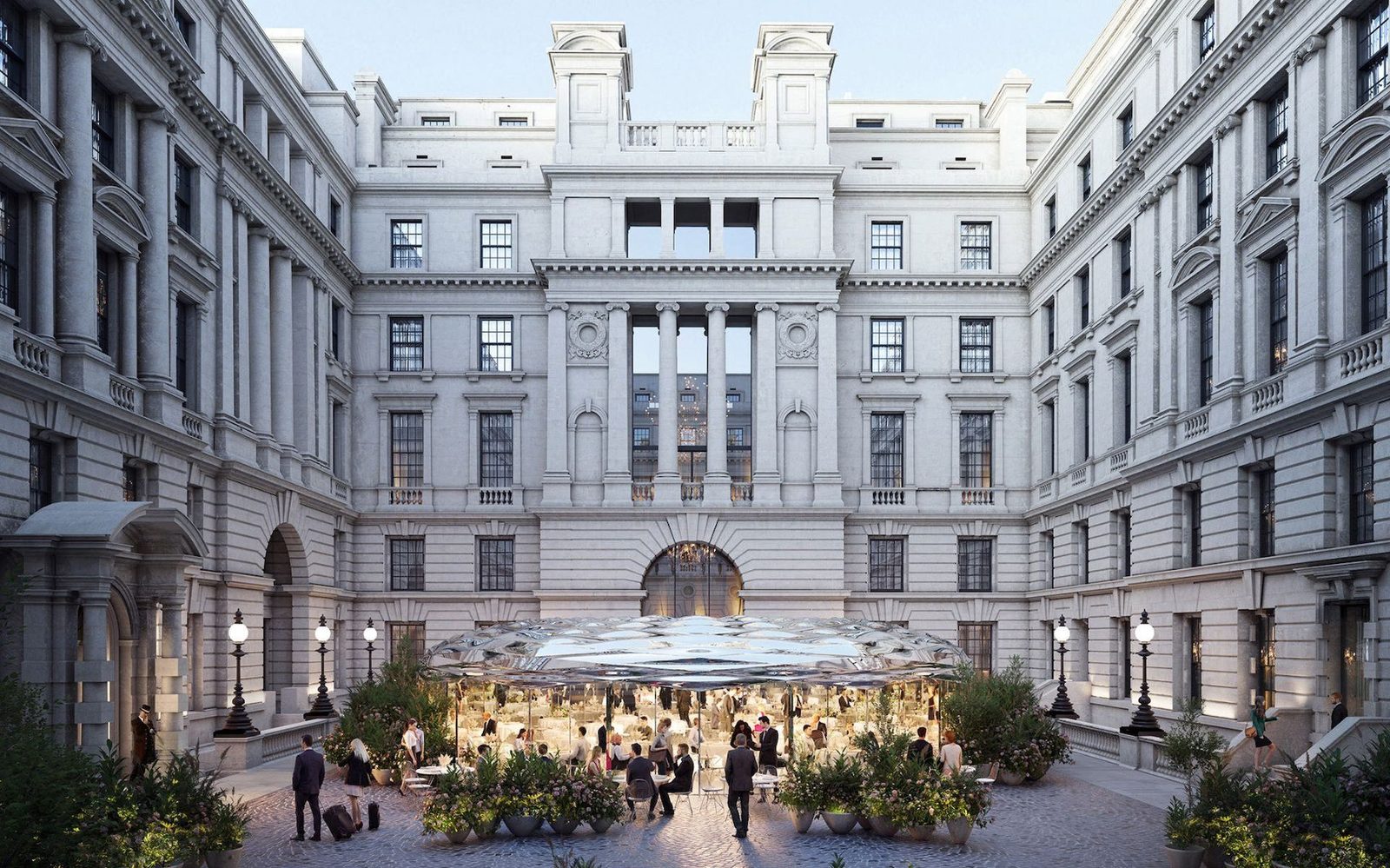
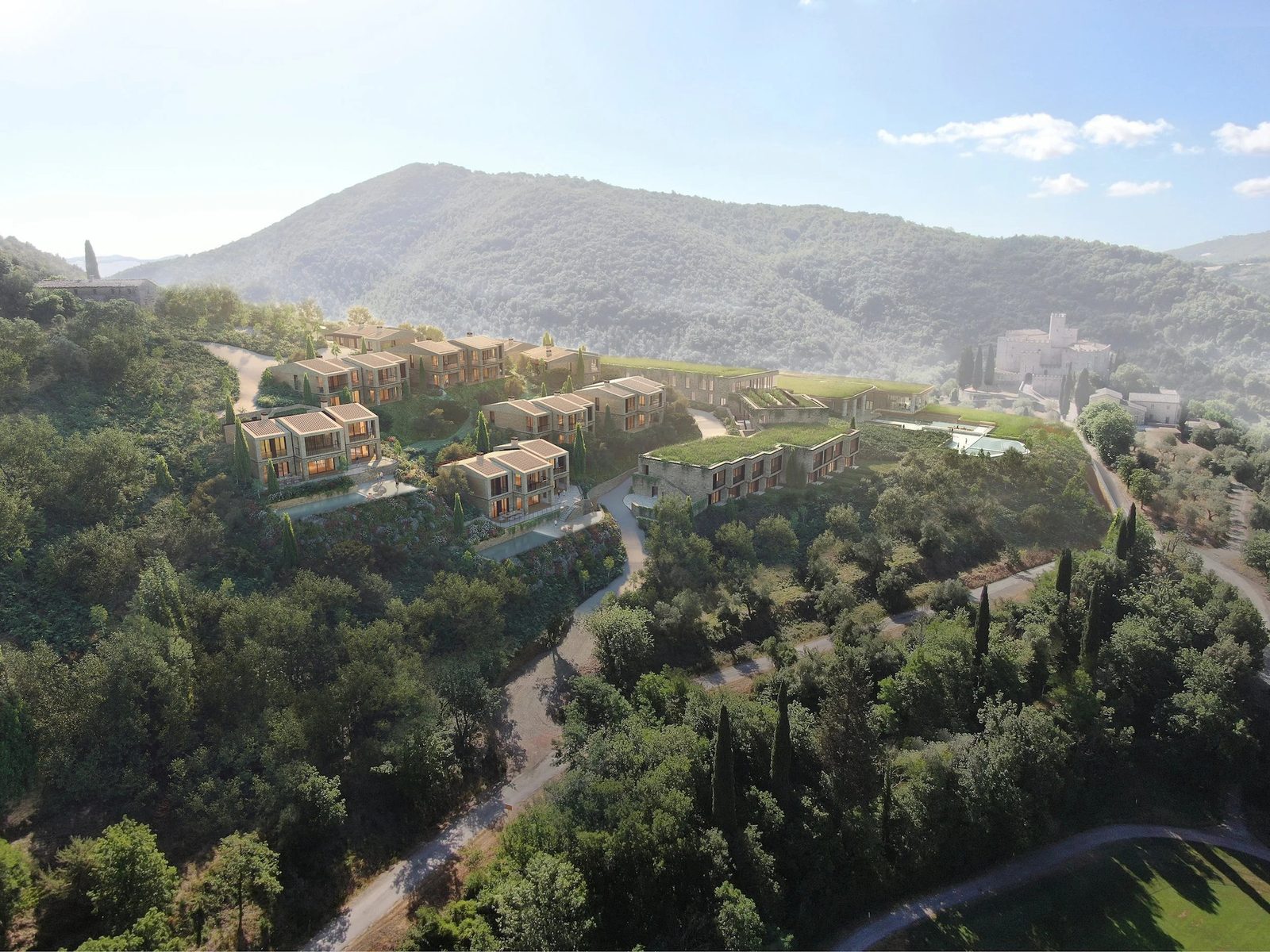
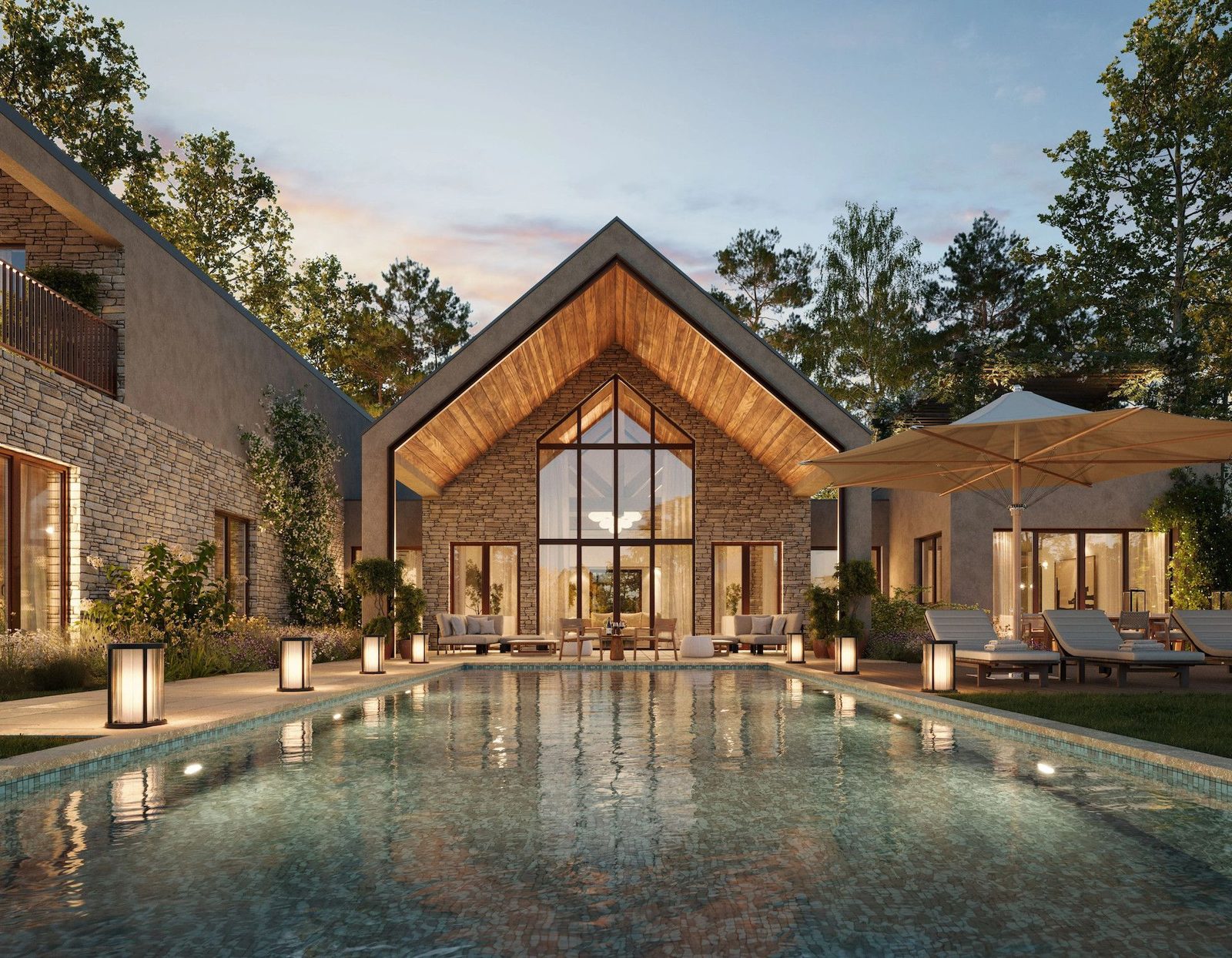
 Photo: Six Senses Residences Loire Valley — Brand Atlas
18 August 2026 ·4 min read
Branded Residences in France: The Riviera, the Alps and the Slow-Consent Reality

France is the paradox of the European branded residence market: demand is proven, brands are willing, land is beautiful and scarce — and delivery is slow. Sponsors arriving from Dubai or Miami with a 400-unit tower model discover within weeks that the French system is designed to prevent exactly that.
Where the market actually is
- Côte d'Azur — Cannes, Cap d'Antibes, Saint-Tropez, Villefranche. The deepest ultra-high-net-worth demand pool in Europe and the least developable coastline, thanks to the *loi Littoral* and local PLU height and density limits.
- The Alps — Courchevel 1850, Val d'Isère, Megève, Chamonix. The strongest performing branded segment in France, because ski chalets already come with a service expectation that maps neatly onto a hotel operating model.
- Paris — almost no branded residential product despite extraordinary demand, because change of use and heritage protection make conversion of the relevant buildings exceptionally difficult.
- Countryside estates — Loire, Provence, Bordeaux. A newer and genuinely interesting niche: wellness and estate brands attaching a small number of residences to a resort within a large private domain, where planning volume is not the fight.
Why the Alps work best
Alpine branded residences answer four buyer problems at once: the property is used for eight to twelve weeks a year, it must be maintained through severe winters, owners want it rented when they are not there, and the service expectation (ski concierge, transfers, catering, spa) is already hotel-shaped. A brand does not have to invent a reason to exist — it is doing what the owner would otherwise pay a chalet company to do, at a higher and more consistent standard.
What premium is achievable
| Segment | Typical positioning | Premium vs comparable unbranded |
|---|---|---|
| Prime Alpine (Courchevel, Val d'Isère) | Ski-in resort-attached | 25-45% |
| Côte d'Azur waterfront | Small managed schemes | 20-35% |
| Paris (rare conversions) | Hotel-attached apartments | 30-50% |
| Countryside estate resorts | Wellness / domaine models | 15-30% |
The structural issues sponsors miss
- 01Planning is municipal and political. The PLU governs height, density and use, and the *maire* is a real decision-maker. Pre-application engagement is not optional.
- 02**The *loi Littoral* and *loi Montagne*** restrict building near the coast and above certain altitudes. Many of the most saleable sites are simply not developable at the density a sponsor's model assumes.
- 03Co-ownership law. French *copropriété* rules govern how the branded service charge, the operator's access rights and the mandatory shared-facility arrangements are documented. A licence agreement drafted for a common-law jurisdiction will not simply drop into a French *règlement de copropriété*.
- 04Rental programmes and VAT. Structuring a residence for para-hotel rental status changes the VAT treatment of the purchase and imposes real service obligations. This is a deal-shaping issue, not an accounting footnote — take French tax advice early.
- 05Wealth tax on property (IFI) and succession rules. French forced heirship and property wealth tax materially affect how international buyers hold French assets. Buyers will ask; the sales team must be prepared with qualified advisers rather than opinions.
The realistic delivery route
Almost every credible French branded scheme follows one of three paths: a small residential phase attached to an existing or consented hotel; a conversion of an existing building where the use class already permits hospitality; or a large private estate where the residential component is a minority of a resort masterplan. Ground-up branded towers on prime coastline are, for practical purposes, not available.
Pitfalls
- Assuming unit counts that the PLU will never permit, then discovering the brand's minimum viable scheme size no longer fits.
- Importing a Gulf service charge into a market where buyers benchmark against French *charges de copropriété*.
- Signing a licence before consent risk is understood, exposing the sponsor to brand milestones it cannot control.
- Under-resourcing the rental programme, which in the Alps is often the deciding factor in a purchase.
Outlook
France will remain a market of few, small, high-quality branded schemes — and their scarcity is precisely why they price well. Sponsors should treat France as a planning and structuring exercise first and a branding exercise second: the brands are available, the consent is not.
Frequently Asked Questions
Where are branded residences located in France?
Principally in the Alps (Courchevel, Val d'Isère, Megève, Chamonix) and on the Côte d'Azur, with a small number of estate and wellness resort schemes in regions such as the Loire and Provence. Paris has almost no branded residential stock because change of use and heritage protection make conversions extremely difficult.
What premium do branded residences achieve in France?
Indicatively 25-45% in prime Alpine resorts, 20-35% on the Côte d'Azur, 30-50% for the rare Paris hotel-attached conversions, and 15-30% for countryside estate resorts. Comparable sets are small, so scheme-level outcomes vary considerably.
Why is it hard to develop branded residences in France?
Municipal PLU planning rules, the loi Littoral on the coast and loi Montagne in the mountains constrain height, density and buildable area. French co-ownership law also governs how the operator's rights and service charges are documented, so agreements drafted for other jurisdictions need substantial adaptation.
What taxes should buyers of French branded residences consider?
French property wealth tax (IFI), forced heirship and succession rules, and the VAT treatment attached to para-hotel rental status all apply. The rental structure in particular changes the tax profile of the purchase, so buyers and sponsors should take qualified French tax advice before committing.
See also
Market guides by country
- 'The Future of Branded Residences' — Global Tour 2026
- What Are Branded Residences? The Definitive 2026 Guide
- Branded Residence Ownership Structures Explained: The 2026 Guide
- Hotel-Branded vs Design-Branded Residences: The 2026 Comparison
- What Are Branded Residences? 2026 Definition, Models and Market Size