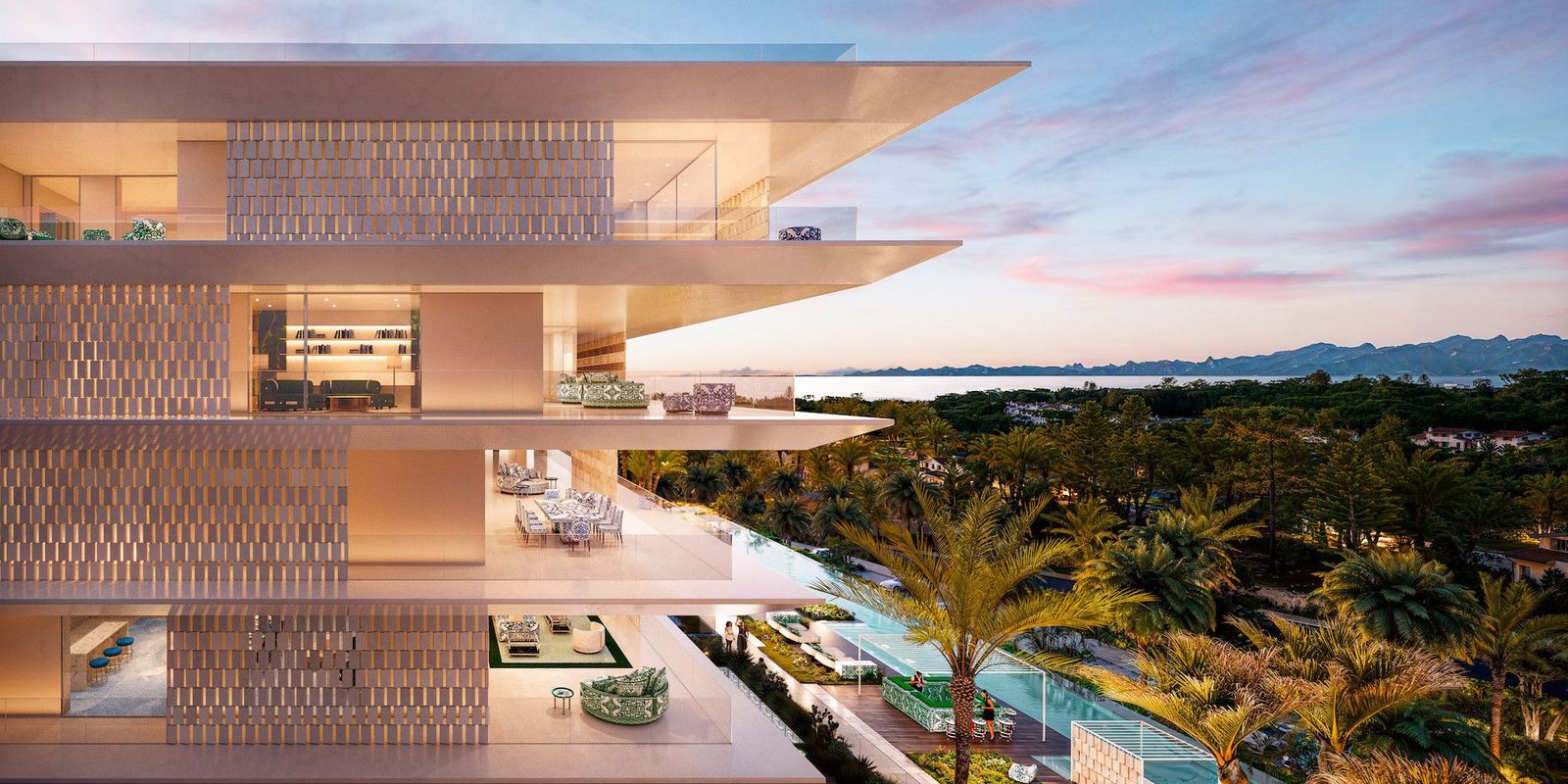
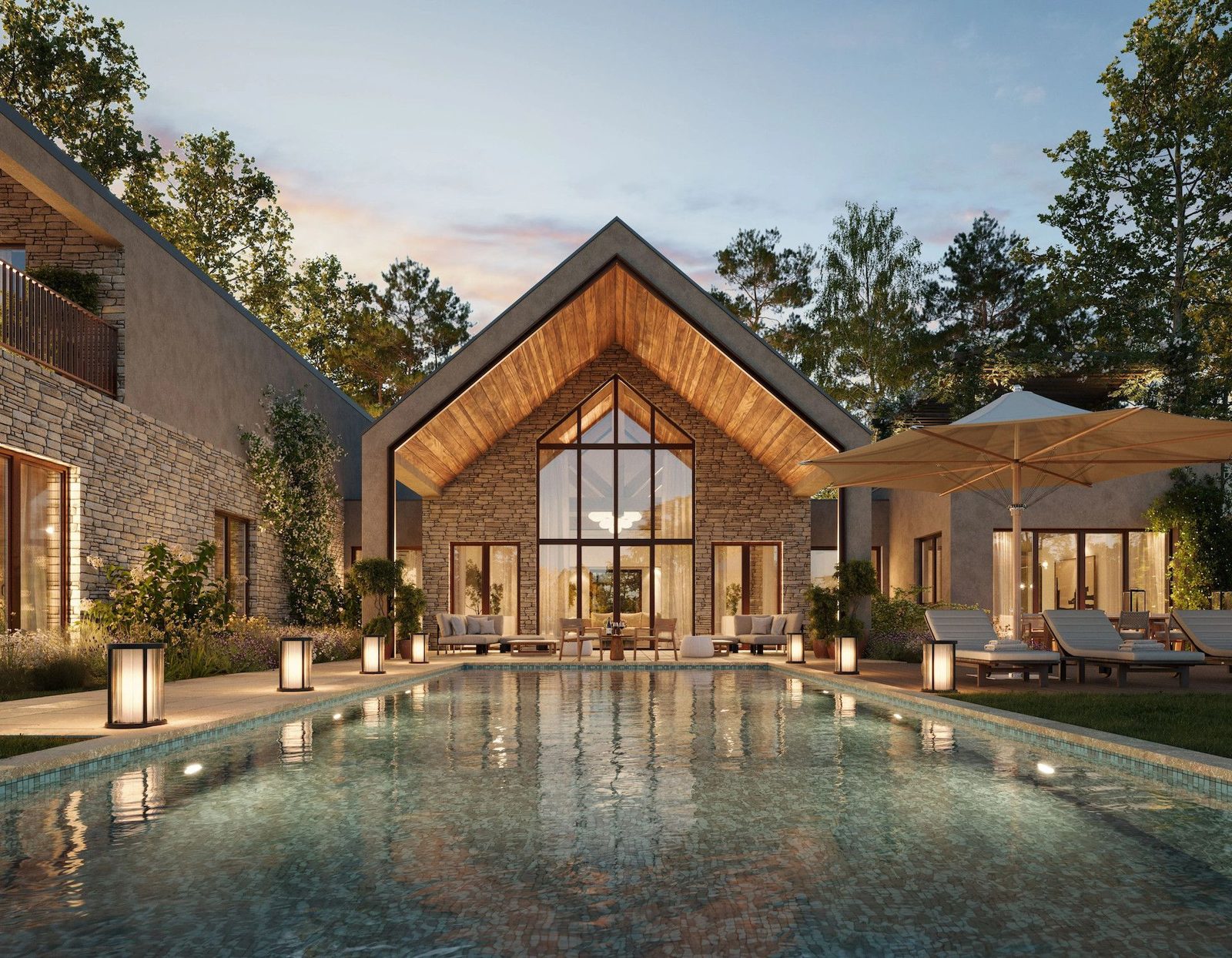
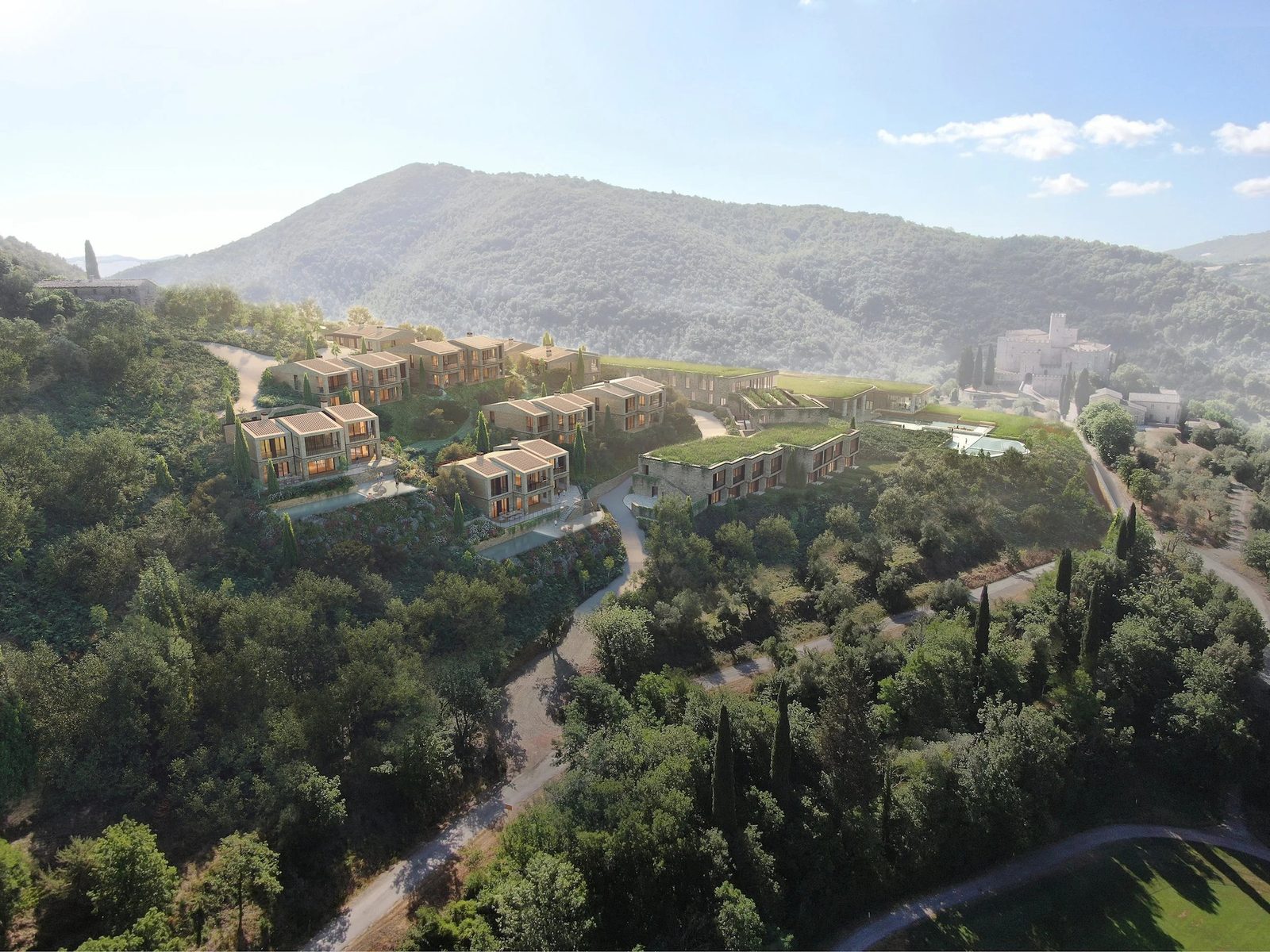
 Photo: Six Senses Residences Antognolla, Umbria — Brand Atlas
17 August 2026 ·4 min read
Branded Residences in Italy: Heritage Conversions, Lakes and the Borgo Model

Italy has everything a branded residence market needs: globally recognised luxury brands, deep inbound leisure demand, extraordinary settings and a buyer base that already thinks in terms of second homes. What it does not have is developable land in the places people want to buy. The result is a market defined by conversion.
The four Italian models
- 01The borgo / estate model. A historic hamlet or agricultural estate — typically in Tuscany, Umbria or Puglia — restored as a resort with a limited number of residences. Large land parcels, low density, wellness-led positioning, long delivery.
- 02The lake model. Como, Garda and Maggiore. Tiny plots, extreme scarcity, the highest per-square-metre pricing in the country outside Milan's very top tier, and severe constraints on any change to the shoreline or facade.
- 03The city model. Milan above all, and to a lesser extent Rome and Florence. Palazzo conversions with a hotel component; Milan is the only Italian city with a genuinely liquid international prime market.
- 04The coastal / island model. Sardinia's Costa Smeralda, the Amalfi Coast, Sicily. Seasonal, spectacular, and heavily protected — coastal restrictions frequently reduce a scheme to a fraction of the sponsor's initial massing.
Why the soprintendenza decides the deal
Any building of historic interest — which in Italy is a very wide category — falls under the supervision of the regional heritage authority. It can dictate what may be demolished, which facades and structural elements must survive, what materials are used, and where plant, parking and pools may go. Approval is not a formality and its outcome changes the unit mix, the gross saleable area and the programme.
What premium is achievable
| Segment | Typical positioning | Premium vs comparable unbranded |
|---|---|---|
| Lake Como waterfront | Villa and estate residences | 30-50% |
| Milan prime | Palazzo conversion, hotel-attached | 25-40% |
| Tuscany / Umbria borgo | Wellness-led estate resorts | 20-35% |
| Sardinia / Amalfi coastal | Seasonal resort residences | 20-30% |
Who buys
The Italian branded buyer is predominantly Northern European, North American and increasingly Gulf-based. They are buying a use case — six to ten weeks a year in a house they do not want to run — and they are highly sensitive to two things: the credibility of the operator delivering the service, and whether the property can be rented during the weeks they are not there. Italian schemes with a weak rental proposition sell slowly regardless of the brand on the gate.
Tax and ownership
Italy's flat-tax regime for new residents has been a genuine driver of demand at the top of the market, alongside the *cedolare secca* rental regime and a purchase tax structure that varies by whether the buyer is resident and whether the seller is a company. These regimes change, and the details matter to the buyer's net position — the sales process should be supported by Italian tax counsel rather than sales-office summaries.
Pitfalls
- Underwriting restoration at new-build cost and losing the margin before sales even open.
- Assuming demolition rights on a building the soprintendenza intends to protect.
- Ignoring seasonality in coastal and lake markets, where the operating model must survive a five-month season.
- Choosing a brand with no Italian operating platform, then discovering the cost of building one for a 30-unit scheme.
- Neglecting the rental programme, which in Italy is often the difference between a fast and a stalled sales run.
Outlook
Italy will continue to produce small numbers of exceptional branded schemes, concentrated on the lakes, in Milan and across the estate markets of central Italy. Sponsors who treat heritage approval and restoration cost as the primary risks — and who select a brand with a real operating platform in Europe — find Italy a rewarding market. Those who treat it as a branding exercise usually stall at consent.
Frequently Asked Questions
Where are Italy's branded residences concentrated?
On the northern lakes (Como, Garda, Maggiore), in Milan through palazzo conversions, across the estate and borgo markets of Tuscany, Umbria and Puglia, and along protected coastal areas such as the Costa Smeralda and Amalfi Coast.
Why are Italian branded residence projects so slow to deliver?
Most are restorations of protected historic buildings, which fall under the regional heritage authority. That authority can dictate what is demolished, which facades and structures are retained, what materials are used and where plant and parking sit — decisions that reshape the unit mix and extend the programme.
What premium do branded residences achieve in Italy?
Indicatively 30-50% on Lake Como waterfront, 25-40% for prime Milan conversions, 20-35% for Tuscan and Umbrian estate resorts and 20-30% for seasonal coastal schemes. In Italy, restoration cost rather than achievable premium is usually the deciding variable.
Do Italian tax regimes affect branded residence demand?
Yes. Italy's flat-tax regime for new residents has supported demand at the top of the market, and rental and purchase tax treatment varies with residency and seller status. These regimes change, so buyers should rely on current Italian tax advice rather than general summaries.
See also
Market guides by country
- 'The Future of Branded Residences' — Global Tour 2026
- What Are Branded Residences? The Definitive 2026 Guide
- Branded Residence Ownership Structures Explained: The 2026 Guide
- Hotel-Branded vs Design-Branded Residences: The 2026 Comparison
- What Are Branded Residences? 2026 Definition, Models and Market Size