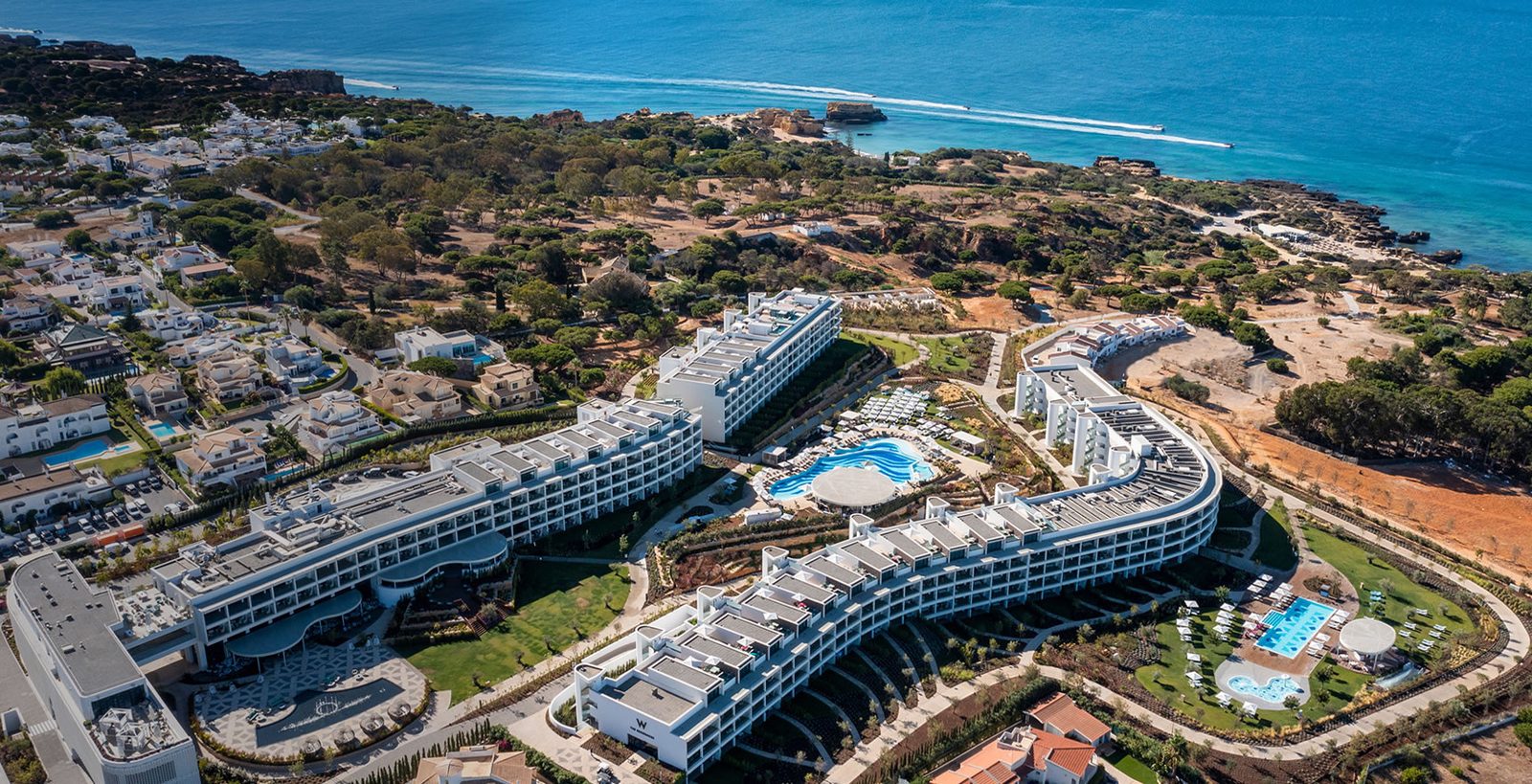
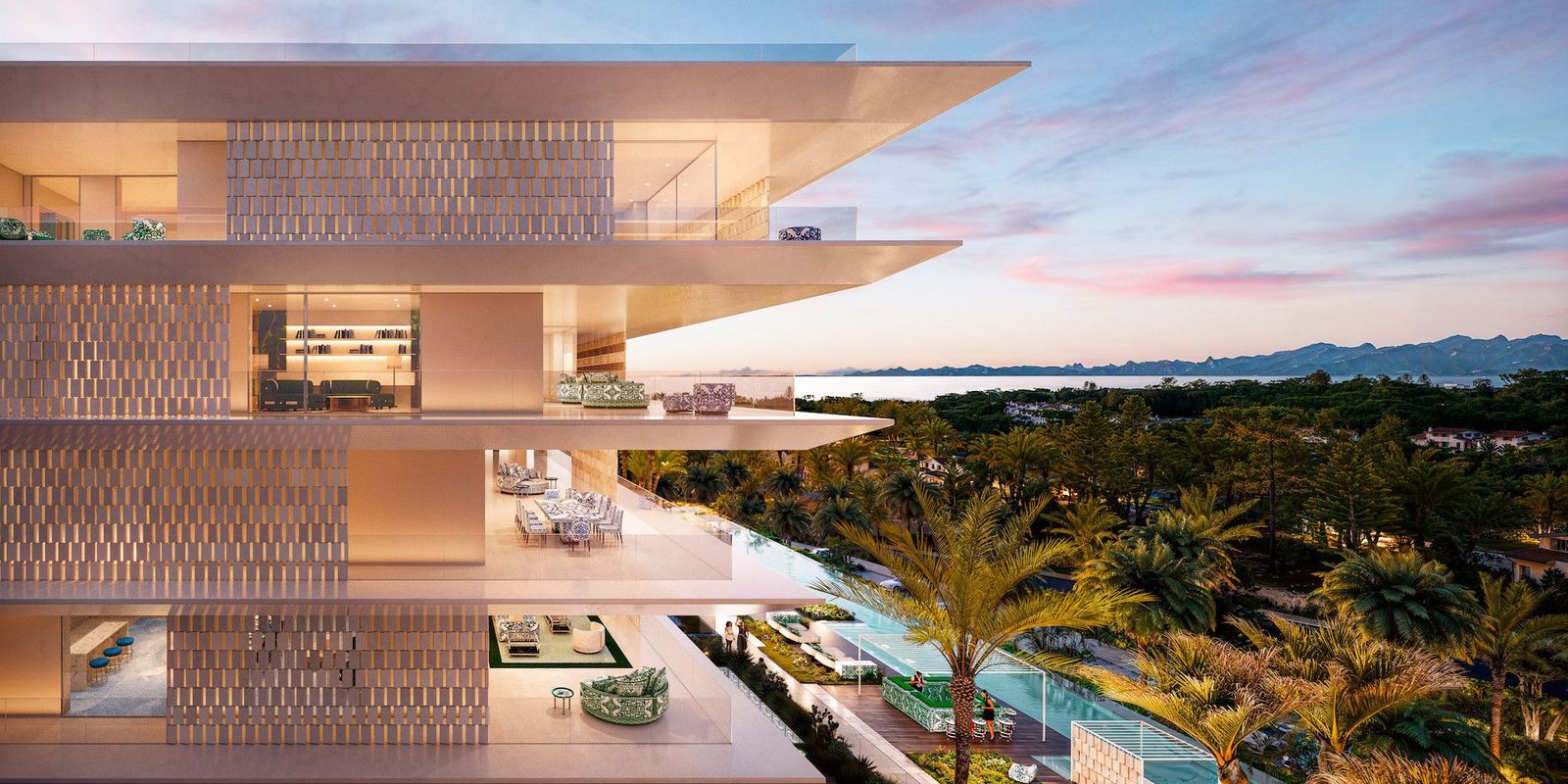
 Photo: Dolce&Gabbana Marbella — Brand Atlas
19 August 2026 ·3 min read
Branded Residences in Spain: Marbella, the Costa del Sol and Madrid

Spain is often underestimated in global branded residence rankings because its supply is spread across regional markets rather than concentrated in one city. Aggregate the Costa del Sol, Madrid, Barcelona and the Balearics, however, and Spain is one of Europe's most significant branded markets — and the one with the deepest history of Gulf buyer relationships.
Marbella and the Costa del Sol
The Golden Mile between Marbella and Puerto Banús, extending west towards Estepona and inland to Benahavís, is a mature luxury market with a resident international community, established private schooling, a long golf tradition and — critically for Gulf buyers — a summer climate and cultural comfort that has made it a fixture for decades.
- Villa-led product dominates, with branded schemes typically comprising fifteen to sixty units across villas and large lateral apartments.
- Buyer pools are genuinely diverse: Gulf, UK, Scandinavian, Benelux, German and increasingly Latin American.
- Seasonality is real but moderate — the Costa del Sol has a longer usable season than most Mediterranean markets, which materially improves the service-charge model.
- Brand recognition is high, because the market's buyers are frequent luxury hotel users.
Madrid
Madrid's prime residential market has strengthened significantly, driven by Latin American capital relocation, domestic wealth and the city's rise as a European business and cultural centre. Salamanca, Chamberí and the Paseo de la Castellana corridor carry genuine prime pricing, and the first wave of hospitality-branded urban residential product has landed there.
Madrid's constraint mirrors London's: prime stock is historic and protected, so the realistic product is conversion or hotel-adjacent rather than ground-up tower. That limits volume and supports premium.
The Balearics
Mallorca and Ibiza are supply-constrained by planning policy that is among the most restrictive in Spain, deliberately so. Branded product here is boutique by necessity — a handful of villas or a small managed estate — and pricing reflects genuine scarcity. Sponsors should expect long consent timelines and significant environmental and heritage scrutiny.
| Market | Typical scheme size | Premium vs prime unbranded |
|---|---|---|
| Marbella / Costa del Sol | 15-60 units | 20-35% |
| Madrid | 20-60 units, conversion-led | 20-35% |
| Balearics | Under 20 units | 25-40% |
Regulatory and tax notes
Regional variation is the point that catches international sponsors most often. Andalusia, Madrid, the Balearics and Catalonia differ materially on tax treatment and rental licensing, and a strategy calibrated to one region can be inapplicable in another.
Pitfalls
- Applying a single national assumption to tax and rental rules that vary by autonomous community.
- Designing to generic European prime specification in a market where Gulf buyers are a core cohort.
- Underestimating Balearic planning timelines and environmental review.
- Over-supplying the Estepona corridor, where new launch volume has been heaviest.
Outlook
Marbella remains the most reliable branded residential market in continental Europe for a resort operator with genuine Gulf and Northern European recognition. Madrid offers the more interesting scarcity play for an urban hospitality brand. Both reward sponsors who treat Spain as several markets rather than one.
Frequently Asked Questions
Where are Spain's branded residences concentrated?
Principally along the Costa del Sol between Marbella, Puerto Banús, Estepona and Benahavís, which is the most established corridor; in Madrid's Salamanca, Chamberí and Castellana prime districts, mostly as conversions; and in the Balearics, where restrictive planning limits schemes to boutique scale.
Why do Gulf buyers favour Marbella?
A long-established international community, familiar climate, cultural comfort, private schooling, golf infrastructure and decades of repeat family visitation. Gulf households represent a meaningful share of top-end demand, and schemes designed with larger formats, separated entertaining zones, discreet access and private outdoor space consistently outperform with them.
What premium do branded residences achieve in Spain?
Roughly 20-35% over comparable unbranded prime stock in Marbella and Madrid, and 25-40% in the Balearics where planning restriction creates genuine scarcity and schemes are typically under twenty units.
Are Spanish property tax and rental rules the same nationwide?
No. Tax treatment and short-term rental licensing vary substantially between autonomous communities and municipalities — Andalusia, Madrid, the Balearics and Catalonia differ materially. Confirm the current position with Spanish counsel for the specific region rather than applying a national assumption.
See also
Market guides by country
- 'The Future of Branded Residences' — Global Tour 2026
- What Are Branded Residences? The Definitive 2026 Guide
- Branded Residence Ownership Structures Explained: The 2026 Guide
- Hotel-Branded vs Design-Branded Residences: The 2026 Comparison
- What Are Branded Residences? 2026 Definition, Models and Market Size