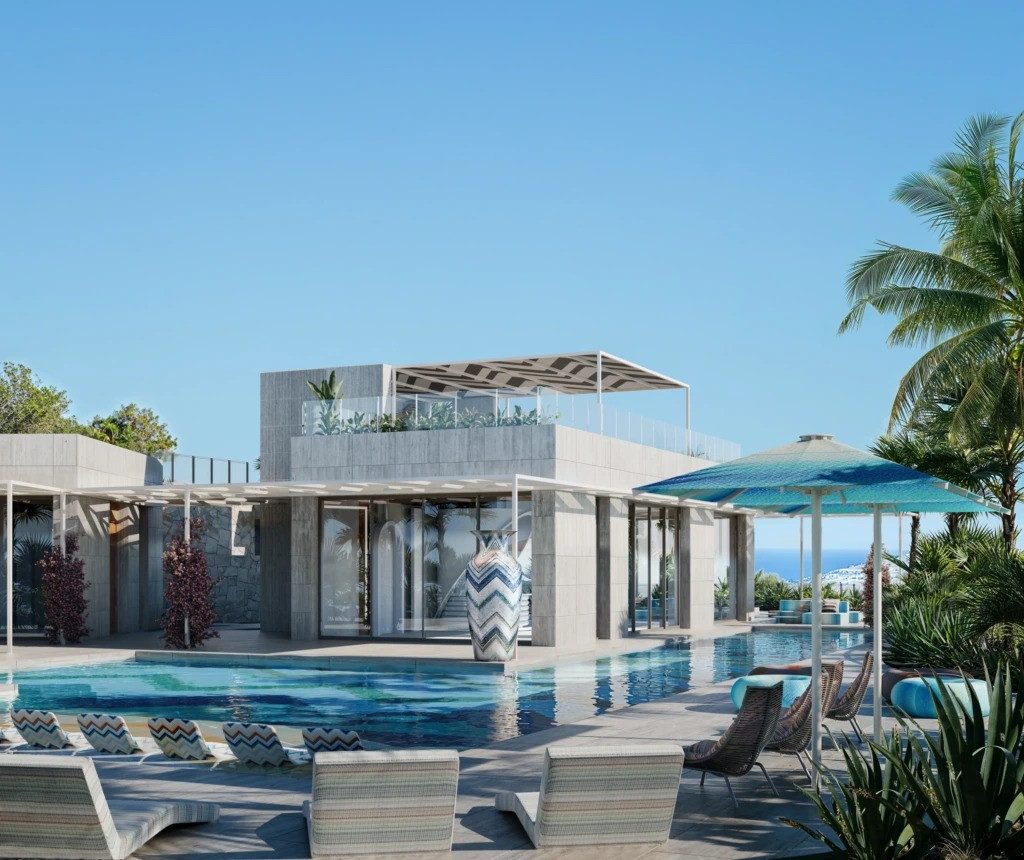
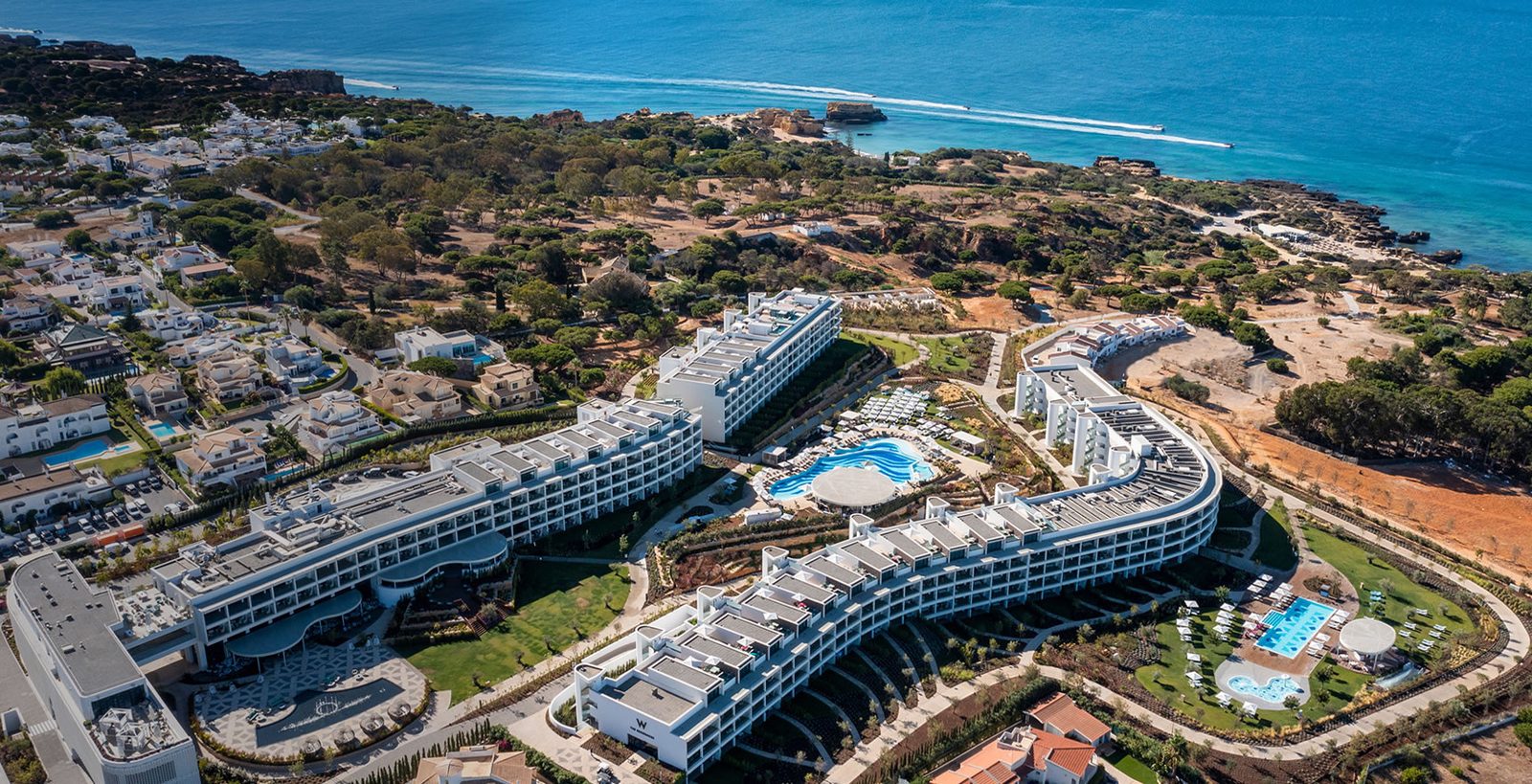
 Photo: W Algarve — Brand Atlas
20 August 2026 ·3 min read
Branded Residences in Portugal: Lisbon, the Algarve and Life After Golden Visa Property

The Portuguese prime market spent a decade being explained through the lens of the Golden Visa. When residential property was removed from the qualifying investment categories, the consensus view was that prime pricing would correct sharply. The correction was far shallower than expected, and the reason matters: most buyers were not buying a visa. They were buying Lisbon, or the Algarve, and the visa was a bonus.
The two markets
| Market | Buyer | Product | Season |
|---|---|---|---|
| Lisbon | International relocators, remote professionals, returning diaspora | Conversion and boutique urban | Year-round |
| Algarve | Northern European second homes, golf and resort | Villa and resort-managed | Spring-autumn weighted |
Lisbon's branded opportunity is overwhelmingly a conversion story. The city's prime stock is historic, protected and small-floorplate, which suits boutique hospitality operators and design-led brands far better than large hotel groups. Successful schemes here are typically forty to eighty units in a converted palacete or institutional building, with service delivered through a small dedicated platform rather than an adjacent hotel.
The Algarve is a resort market with a mature golf and leisure infrastructure, a well-established Northern European buyer base and genuine brand recognition among that cohort. Villa-led branded product with a resort operator has a long track record here, and the constraint is land and planning rather than demand.
Tax and residency, carefully stated
For developers, the practical point is that a sales strategy built on a specific tax or residency incentive carries policy risk that a strategy built on lifestyle demand does not. Portugal has now demonstrated twice that incentives can be withdrawn quickly. Price and position to the lifestyle buyer.
Short-term rental licensing
Alojamento Local licensing restrictions in Lisbon and other pressured municipalities are a material issue for any branded scheme marketing a rental programme. Restrictions have been tightened, relaxed and re-tightened in different administrations and different zones.
- 01Confirm the licensing position for the specific parcel, not the city generally.
- 02Do not market a rental programme until the licensing basis is confirmed and documented.
- 03Model returns on a long-let basis as the downside case.
- 04Check whether the brand's rental programme terms are compatible with local licensing conditions.
What premium is achievable
Branded schemes in Lisbon typically achieve a 15-30% premium over comparable unbranded prime stock, and Algarve resort-managed villas can achieve more where the operator is genuinely recognised by the Northern European buyer pool. Portugal is a lower-premium market than the Gulf in percentage terms, but development cost is also lower and absorption for well-located product has been consistent.
Pitfalls
- Building a sales case on a tax or residency incentive that can be withdrawn.
- Selecting a large hotel operator for a small-floorplate historic conversion, where the brand standards cannot be met.
- Marketing a rental programme before licensing is confirmed.
- Underestimating conservation constraints on Lisbon conversions.
Outlook
Portugal has proved its prime demand is fundamental rather than incentive-driven, which is the strongest possible signal for a branded developer. Lisbon boutique conversions and Algarve resort-managed villas both have room to grow, provided sponsors underwrite them on lifestyle demand and treat every tax and licensing regime as subject to change.
Frequently Asked Questions
Does buying property in Portugal still grant a Golden Visa?
Residential real estate was removed from Portugal's Golden Visa qualifying investment categories. Other qualifying routes exist and the programme's terms have been amended more than once, so confirm the current position with Portuguese counsel before relying on it.
Did Portugal's prime market fall after the Golden Visa change?
Far less than widely predicted. The correction was shallow because most prime buyers were purchasing for lifestyle reasons — climate, safety, relocation and remote work — rather than for residency arbitrage. That makes the remaining demand base more durable.
Where do branded residences work in Portugal?
Lisbon, principally as boutique conversions of historic palacetes and institutional buildings suited to small hospitality and design-led operators, and the Algarve, as villa-led resort-managed product serving an established Northern European second-home buyer base.
Can I run a branded residence in Lisbon as a short-term rental?
It depends entirely on Alojamento Local licensing for the specific property and zone, which has been tightened, relaxed and re-tightened across different administrations. Confirm the licensing basis for the parcel before marketing any rental programme, and model long-let returns as the downside case.
See also
Market guides by country
- 'The Future of Branded Residences' — Global Tour 2026
- What Are Branded Residences? The Definitive 2026 Guide
- Branded Residence Ownership Structures Explained: The 2026 Guide
- Hotel-Branded vs Design-Branded Residences: The 2026 Comparison
- What Are Branded Residences? 2026 Definition, Models and Market Size