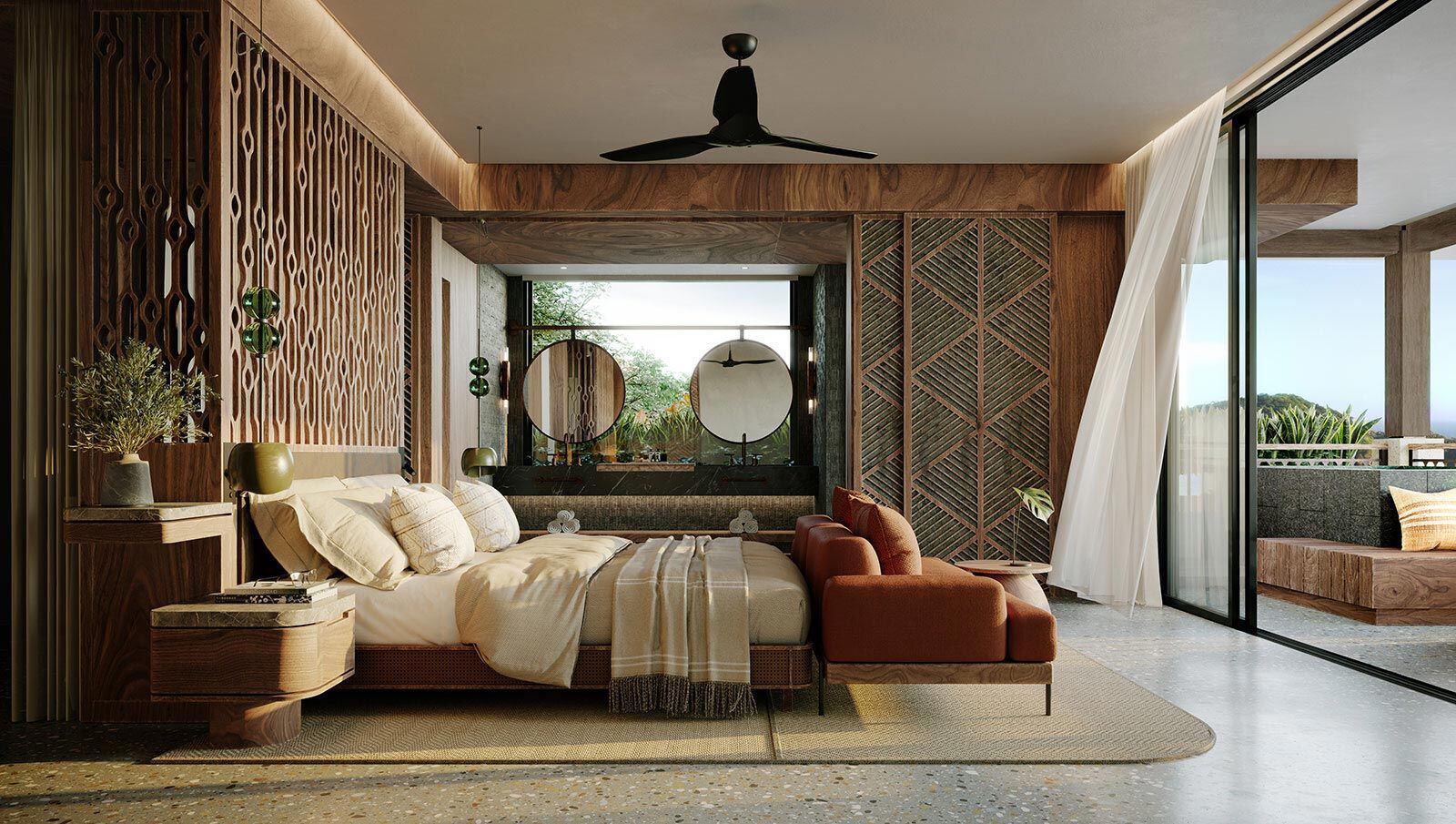
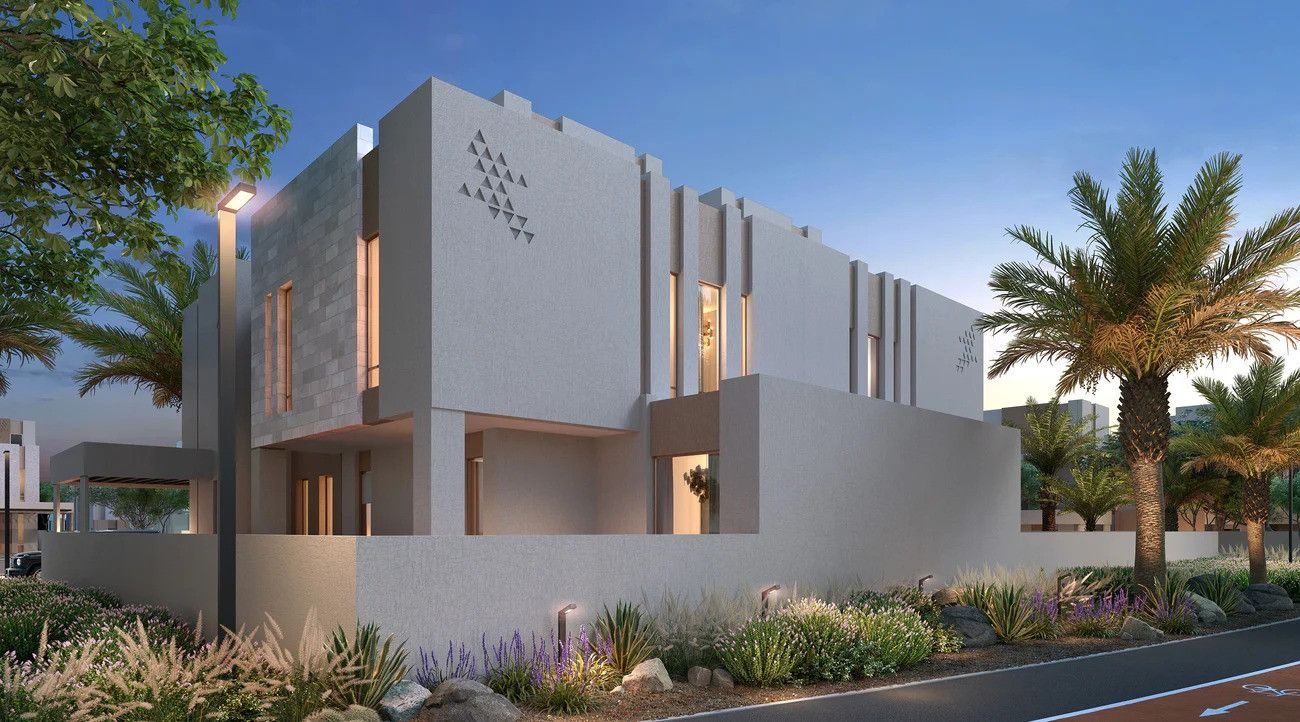
 Photo: Elie Saab Residences Riyadh — Brand Atlas
24 October 2026 ·4 min read
Branded Residences in Riyadh 2026: KAFD, Diriyah and the Capital's Luxury Awakening
For decades, Saudi residential wealth was expressed in private villas behind high walls. Riyadh's transformation is changing the product itself: vertical luxury, serviced living and internationally branded residences are being introduced to a population that is young, increasingly global, and — at the top end — enormously wealthy. Add the regional headquarters programme, which has brought hundreds of multinational HQs and their executives to the capital, and you have both end-user and investor demand that did not exist five years ago.
The districts and giga-projects
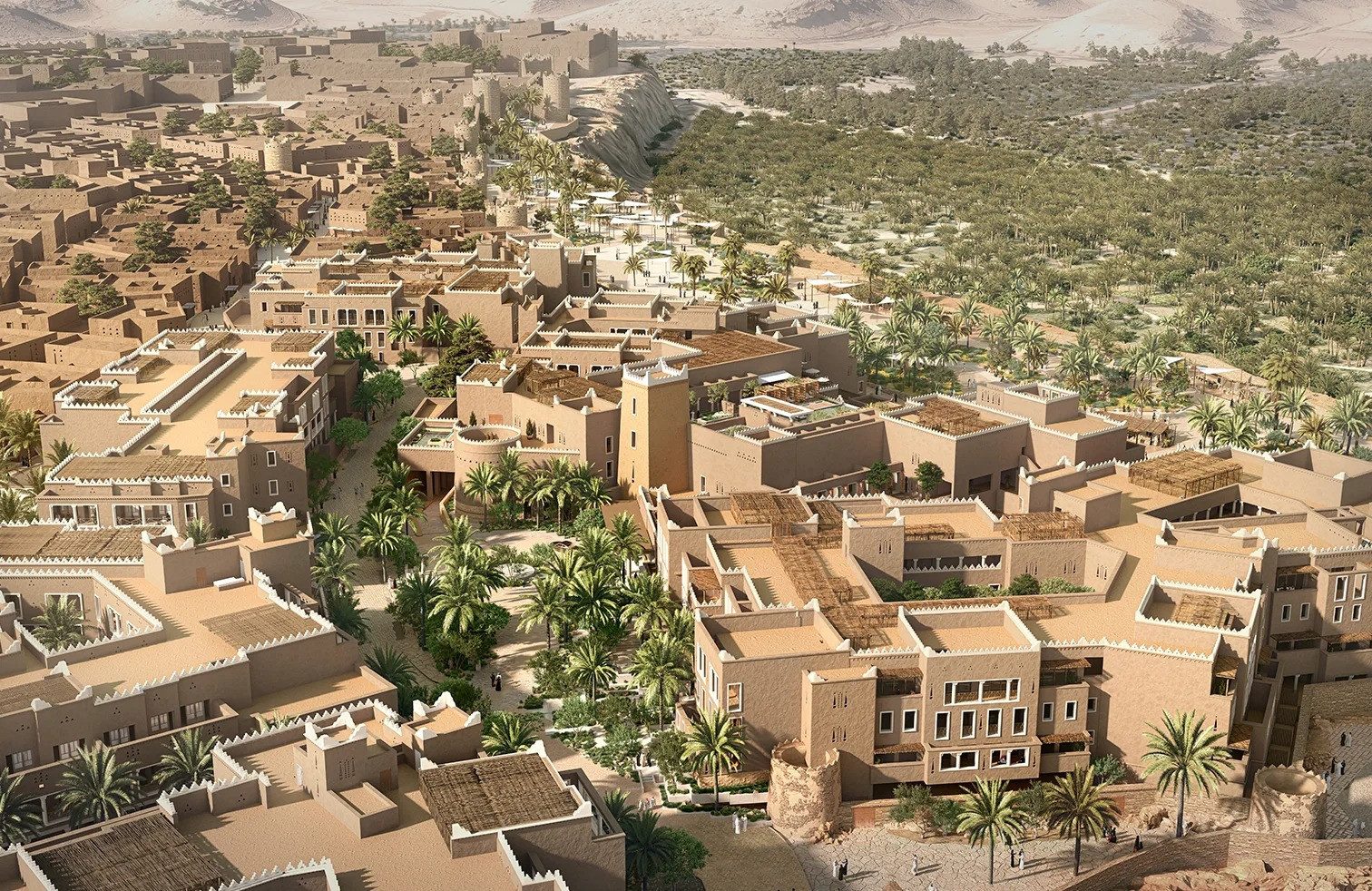
- Diriyah — the UNESCO-adjacent heritage giga-project on Riyadh's western edge. Ultra-luxury hotels and branded residences in Najdi architectural style, including Capella and Ritz-Carlton product. This is the Kingdom's flagship address-in-waiting.
- KAFD (King Abdullah Financial District) — the capital's new downtown. Vertical, dense, international. Serviced and branded residences attached to Grade-A offices, luxury retail and five-star hotels.
- Wadi Safar — the ultra-prime leisure and residential destination west of the city, with Faena among the brands announced. Low-density, resort-calibre product aimed at the very top of the Saudi market.
- North Riyadh corridor — the city's established luxury villa districts, where design-branded villas such as Elie Saab Residences Riyadh are translating couture branding into gated residential product.
- New Murabba — the planned second downtown around the Mukaab, still early in delivery but significant for long-term supply.
The ownership revolution
The single biggest change for international buyers is the new foreign ownership law, which took effect in January 2026. Non-Saudis can now own property in designated zones — Riyadh and Jeddah among them — subject to implementing regulations, with Premium Residency holders enjoying broader rights. Mecca and Medina remain restricted.
Practical implications for branded product:
- A new buyer pool. GCC residents, diplomats, HQ executives and global investors can now underwrite Riyadh residential for the first time.
- Off-plan regulation through the Wafi programme gives licensed off-plan sales a formal framework — essential for branded launches selling years before handover.
- Premium Residency (the 'Saudi green card') links property, residency and investment, and is increasingly part of the branded residence sales conversation.
| District | Typical product | Indicative premium vs comparable unbranded |
|---|---|---|
| Diriyah | Ultra-luxury hotel-branded residences | 30-45% (launch pricing) |
| KAFD | Serviced and hotel residences | 25-35% |
| Wadi Safar | Resort-branded villas and estates | 30-40% |
| North Riyadh | Design-branded villas | 20-30% |
What the brand must deliver in Riyadh
Saudi buyers at this level are among the most travelled in the world. They know what a Ritz-Carlton or a Capella feels like — and they will hold the residence to the hotel's standard. Three things matter:
- Service culture, not signage. Staffing, training and operator involvement in the owners' association are what sustain the premium.
- Privacy and family design. Majlis spaces, family and women's facilities, and discreet service circulation are not optional extras; they are core product.
- Cultural fit. The strongest schemes interpret the brand through Saudi and Najdi design language rather than importing a generic international template.
Sponsor considerations
- Choose the project ecosystem before the brand. A residence inside Diriyah sells a different dream from one in KAFD. The brand must match the giga-project's positioning, not just the sponsor's preference.
- Model service charges honestly. Brand-standard operations in Riyadh are expensive; under-pricing service charges at launch creates owner-relations crises later.
- Plan for the 2026 ownership rules. Sales strategies, escrow structures and marketing should all assume international buyers from day one.
- Capital is available, but selective. PIF-adjacent and institutional capital will back credible brand-developer pairings; weak pairings will struggle regardless of market momentum.
Outlook to 2030
Riyadh will host Expo 2030 and the 2034 World Cup, and the residential pipeline is being built to that timetable. We expect Riyadh to become a top-five global branded residence market by pipeline within this decade, with Diriyah setting regional price records. The risk is execution: delivering hotel-grade operations at this scale, in a market with limited precedent, is the challenge that will separate the enduring premiums from the launch-day ones.
Frequently Asked Questions
Can foreigners buy property in Riyadh?
Yes. Under the foreign ownership framework effective from January 2026, non-Saudis can own property in designated zones including Riyadh, subject to implementing regulations. Premium Residency holders have broader rights.
Which brands have residences in Riyadh?
Announced and developing product includes Ritz-Carlton and Capella at Diriyah, Faena at Wadi Safar, and Elie Saab design-branded villas in North Riyadh, with more hotel brands expected at KAFD and New Murabba.
What do branded residences cost in Riyadh?
Launch pricing implies premiums of roughly 25-45% over comparable unbranded luxury, with Diriyah at the top. There is no resale history yet, so these are ask-side premiums.
See also
Capital, M&A & asset sales
- Branded Residences Market Report — GCC Edition 2026
- Branded Residence Ownership Structures Explained: The 2026 Guide
- Hotel-Branded vs Design-Branded Residences: The 2026 Comparison
- What Are Branded Residences? 2026 Definition, Models and Market Size
- Trustworthy Branded Residence Brands in 2026: How to Judge Credibility