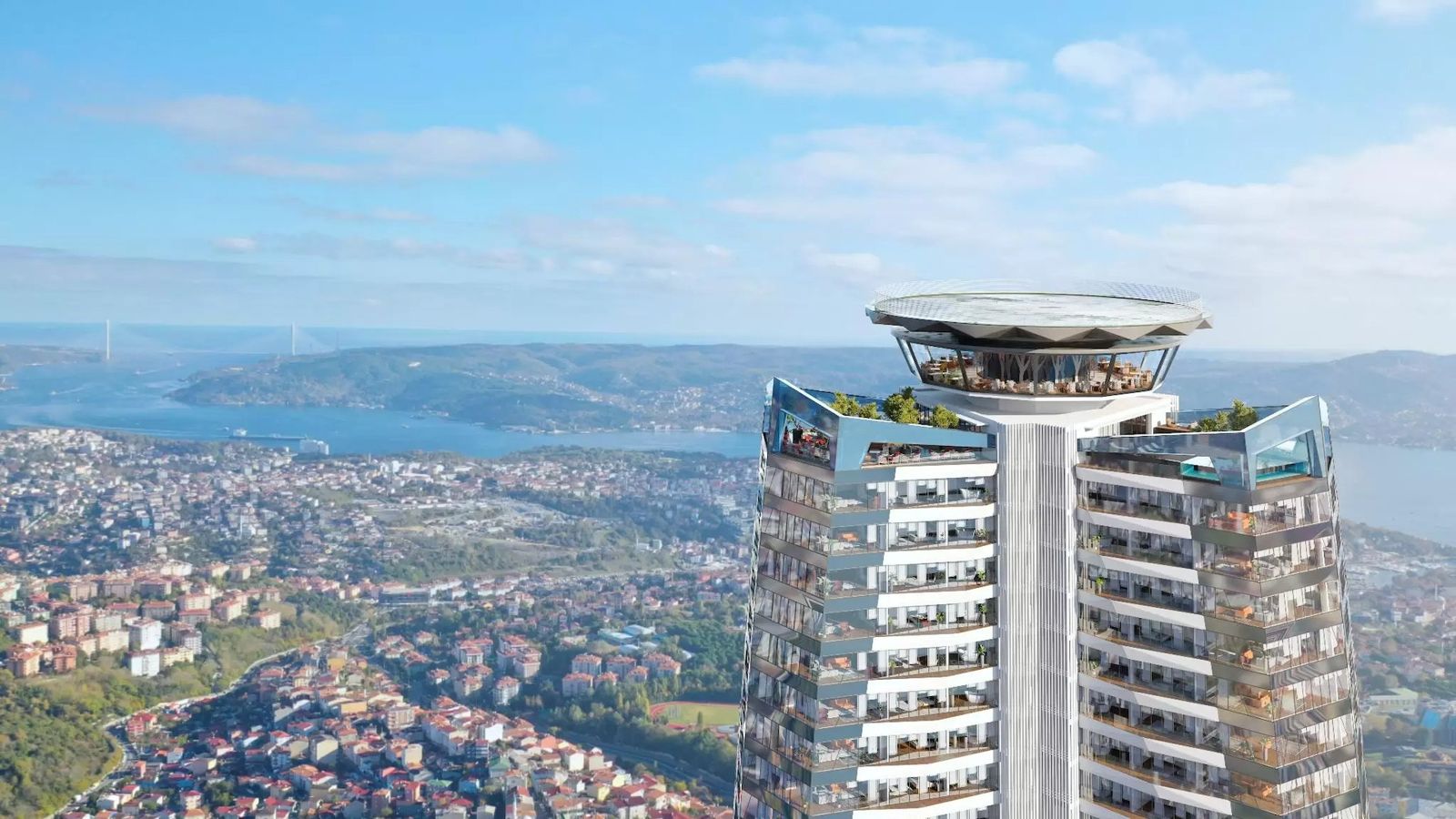
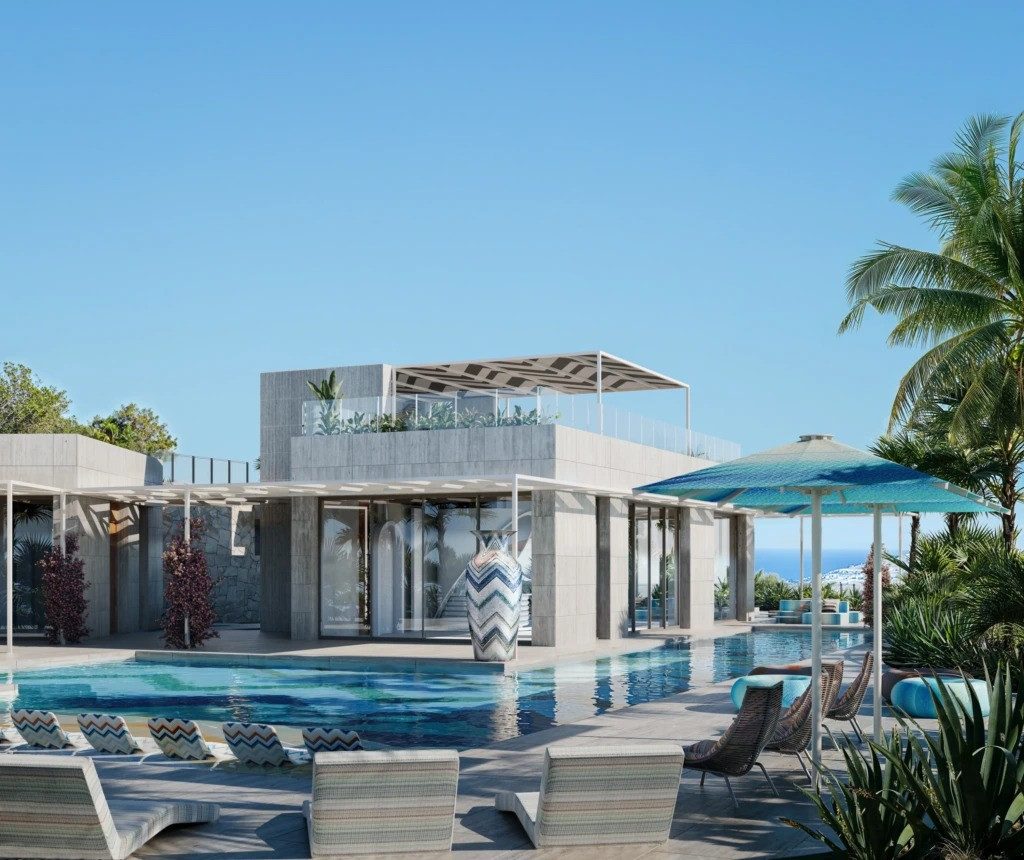
 Photo: Marriott Residences Istanbul — Brand Atlas
6 October 2026 ·4 min read
Türkiye Citizenship by Investment and Branded Residences: What Buyers Need to Know in 2026

Türkiye's citizenship by investment programme is one of the most used in the world, and real estate is by far its most popular route. For buyers from the Middle East, Iran, Russia, Central Asia, Pakistan and beyond, a Turkish passport brings visa-free or visa-on-arrival access to a wide range of countries, a route to the US E-2 treaty investor visa, and residence in a large, liveable country.
That demand has shaped Turkey's branded residence market. A meaningful share of buyers in Istanbul and on the Aegean coast are buying with citizenship in mind. This guide explains how the route works and how it interacts with branded product.
How the property route works
- Minimum investment: US$400,000 in one or more properties.
- Holding period: the buyer must commit not to sell for three years; this is annotated on the title deed.
- Valuation report: the purchase must be supported by a licensed valuation report, and the declared price must align with it.
- Payment trail: funds must be transferred from abroad and converted through a Turkish bank, with a currency exchange certificate issued.
- Family: the spouse and children under 18 can be included in the application.
- Restrictions: property bought from a Turkish citizen after a certain date, or previously sold to a foreigner, may face additional conditions. Rules change; current eligibility should always be confirmed by a Turkish lawyer before signing.
Why branded residences and citizenship fit together
The citizenship buyer is buying two things: a passport and an asset they must hold for three years before they can sell. The passport is binary. The asset is not. What the property is worth, and how easily it sells, in year three decides whether the programme was cheap or expensive.
That is where brands matter. A branded residence typically offers:
- A recognised operator that manages the unit while the owner is abroad.
- A rental programme that produces income during the holding period.
- Stronger resale liquidity, because the next buyer knows the product.
- Hard-currency pricing, which shields value from lira depreciation.
| Factor | Typical unbranded unit | Typical branded unit |
|---|---|---|
| Qualifies at US$400k | Often, in prime districts | Usually, on price alone |
| Management while abroad | Owner arranges | Operator provides |
| Rental income in holding period | Ad hoc | Structured programme where offered |
| Resale in year three | Depends on local demand | Supported by brand recognition |
| Pricing currency | Often lira | Usually USD or EUR |
Istanbul or the coast?
- Istanbul offers the deepest market, the strongest resale liquidity and year-round rental demand. Branded towers in Levent, Maslak and the Asian side frequently sit just above the threshold.
- Bodrum offers lifestyle and summer rental yields, with brands such as Missoni, Mandarin Oriental and Six Senses present on the peninsula. Seasonality affects rental income and resale timing.
- Antalya and the Turquoise Coast offer lower entry points, but branded supply and resale evidence are thinner.
Questions to ask before you sign
- Is the valuation report already issued, and does it support the contract price?
- Is the unit completed and title-deeded, or off-plan? Citizenship applications on off-plan stock require additional structuring.
- What does the brand licence cover, and for how long? What happens if the operator leaves?
- What are the service charges in hard currency, and how are they indexed?
- How does the rental programme split revenue, and what is the realistic occupancy?
- Has the developer delivered branded product before, and what has resale looked like?
For developers
Citizenship demand is a powerful sales accelerator, but it is also a concentration risk: rule changes have shifted thresholds before (the minimum rose from US$250,000 to US$400,000 in 2022). Schemes that depend entirely on citizenship buyers are exposed. A credible brand broadens the buyer pool to lifestyle and investment purchasers who would buy regardless of the passport.
The bottom line
Turkish citizenship by investment is a real estate decision dressed as an immigration decision. Choose the asset as if you had to keep it. A well-located branded residence with a credible operator is one of the more defensible ways to meet the threshold — provided the price is supported, the rental assumptions are realistic, and the brand agreements are long enough to outlast the holding period.
Frequently Asked Questions
What is the minimum investment for Turkish citizenship through property?
US$400,000 in one or more properties, supported by an official valuation report, with a commitment not to sell for three years.
Can a branded residence be used for Turkish citizenship?
Yes. A branded residence qualifies like any other eligible property if it meets the price, valuation and payment requirements. Many branded units in Istanbul and Bodrum exceed the threshold.
Can I rent out my property during the three-year holding period?
Yes. The restriction is on selling, not renting. Many branded schemes offer rental programmes managed by the operator during the holding period.
See also
Branded residences: the basics
- Branded Residence Ownership Structures Explained: The 2026 Guide
- Hotel-Branded vs Design-Branded Residences: The 2026 Comparison
- What Are Branded Residences? 2026 Definition, Models and Market Size
- Trustworthy Branded Residence Brands in 2026: How to Judge Credibility
- How Do Branded Residences Work? The 2026 Operating Model Explained