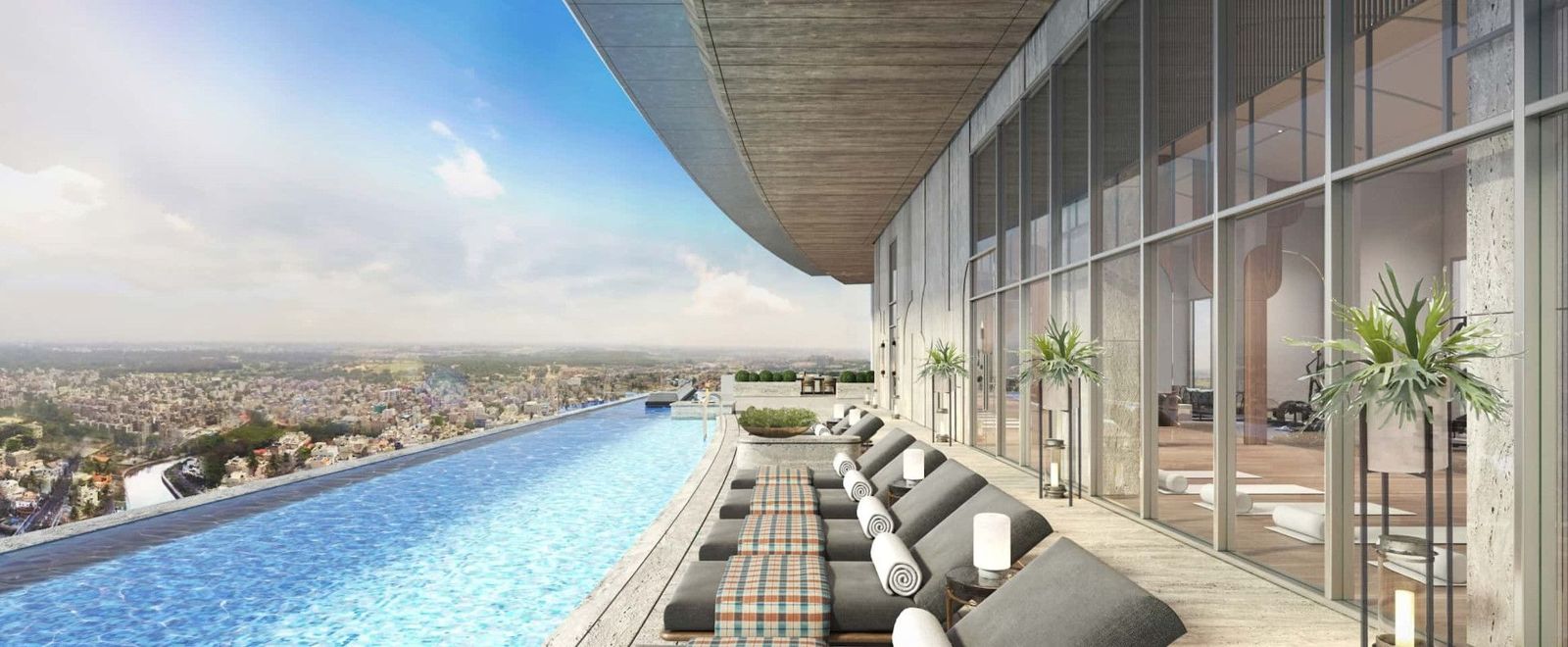
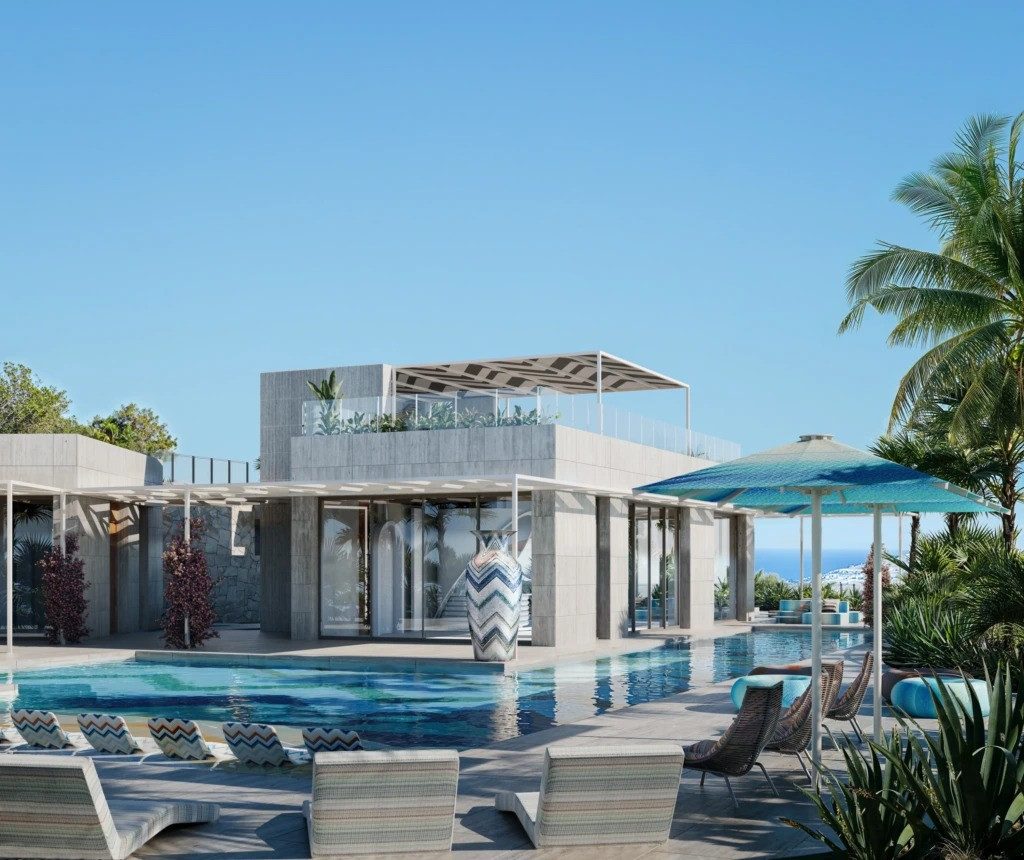
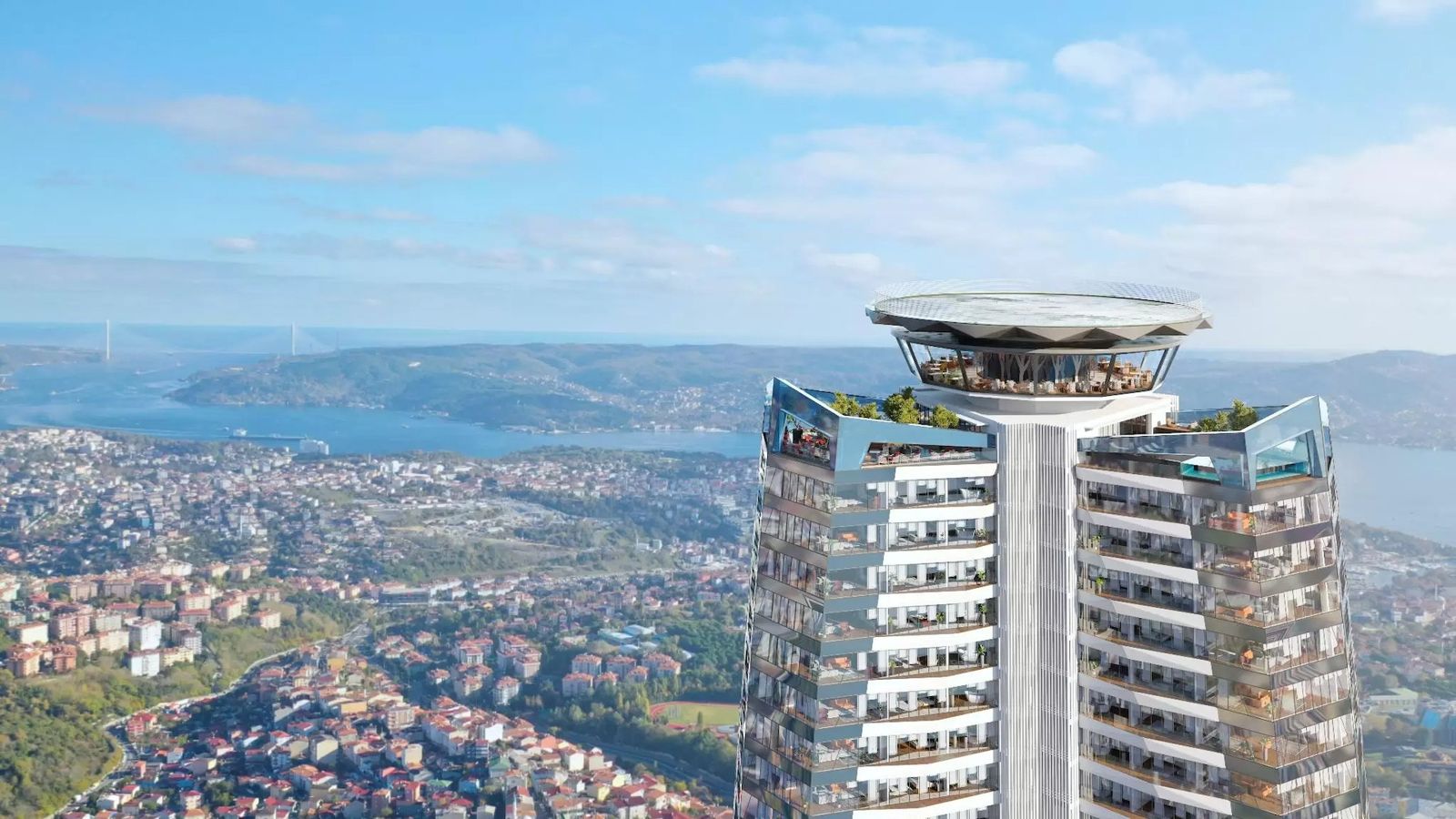
 Photo: ETRO Residences Istanbul — Brand Atlas
2 October 2026 ·5 min read
Branded Residences in Istanbul 2026: The Bosphorus, Nişantaşı and the Tower Corridor

Istanbul is unusual among branded residence markets because it is not a resort and not a pure financial centre. It is a city of 16 million people with a deep local luxury buyer base, a large regional buyer pool from the Gulf, Russia, Iran, Central Asia and Europe, and a long history of hotel-led luxury living along the Bosphorus.
That combination has produced one of the most varied branded pipelines in the wider region: international hotel brands such as Ritz-Carlton, Four Seasons, Raffles and Mandarin Oriental sit alongside fashion and design brands such as ETRO, and alongside strong local developer brands that are, in practice, a brand in their own right.
The districts that matter
- The Bosphorus shoreline (Beşiktaş, Bebek, Arnavutköy, Yeniköy, the Asian side at Kandilli and Vaniköy) — the trophy segment. Limited by conservation rules and a near-zero supply of new waterfront land. Branded product here typically means a residence attached to a hotel on the water.
- Nişantaşı and Şişli — Istanbul's luxury retail address. Smaller boutique schemes and conversions. Fashion and design brands fit naturally here.
- Levent, Maslak and the Büyükdere corridor — the tower market. Mixed-use schemes combining office, mall, hotel and branded apartments. This is where most branded units by volume are delivered.
- Zekeriyaköy and the northern forest belt — villa compounds for local families. Branding is rare and mostly developer-led.
- The Asian side (Ataşehir, the financial centre area, Kadıköy) — an emerging branded segment around the Istanbul Financial Centre, priced well below the European side.
What the brand is actually worth here
In Istanbul the brand earns its fee in two very different ways. On the Bosphorus, it delivers service, security and a recognised operator in a segment where buyers are paying for location they cannot replicate. In the tower corridor, it delivers differentiation — the reason to choose one 40-storey tower over the one next door.
| Segment | Typical branded product | Indicative premium vs comparable unbranded |
|---|---|---|
| Bosphorus waterfront | Hotel-attached residences | 25-40% |
| Nişantaşı boutique | Fashion or design-branded | 15-30% |
| Levent / Maslak towers | Mixed-use hotel residences | 20-35% |
| Asian side / Financial Centre | Lifestyle or hotel-branded | 10-25% |
The currency question
Every conversation about Turkish property ends at the lira. High inflation and repeated depreciation mean that headline lira price growth says very little about real value. Serious branded schemes therefore quote in dollars or euros, and sophisticated buyers underwrite in hard currency. For developers this has a practical consequence: the brand's role in defending a hard-currency price point is often worth more than any amenity it brings.
For sponsors, construction costs remain partly lira-denominated while sales are increasingly hard-currency-referenced — a natural hedge when it works, and a margin squeeze when inflation in local costs outruns the sales curve.
Rules foreign buyers need to know
- Most nationalities may buy freehold property in Türkiye, subject to reciprocity rules and restrictions near military and security zones. Foreign ownership is also capped at a share of each district's area.
- Title deeds (tapu) are issued by the Land Registry. A brand does not change the title — buyers own a conventional unit, with the brand attaching through the management and licence agreements.
- Citizenship by investment is available through real estate at a US$400,000 threshold with a three-year holding requirement. Many Istanbul branded units qualify on price alone, which shapes demand from non-European buyers.
- Valuation rules matter. Since 2022 the sale price used for citizenship must be supported by an official valuation report, which has narrowed the gap between declared and real prices.
Which brands fit Istanbul
Three categories perform. Luxury hotel brands remain the default on the Bosphorus because buyers expect a working hotel and real service. Fashion and design brands — ETRO is a clear example — suit central and boutique sites where the interior story is the product. Upper-upscale and lifestyle hotel brands are increasingly used in mixed-use towers where the brand needs to be credible without the cost of a full luxury operation.
The mistake we see most often is the reverse: a luxury hotel brand forced onto a tower site that cannot support the hotel component, producing a licence fee the price point does not recover.
Sponsor pitfalls
- Over-branding the tower. If the hotel is small or absent, a lifestyle or design brand will usually produce a better return on licence fees.
- Earthquake resilience. Buyers and lenders now ask directly about structural standards after 2023. Make it part of the sales story, not a footnote.
- Service charge realism. Hard-currency service charges on a lira-earning local buyer base must be modelled carefully; the brand standard drives the cost.
- Exit and resale. Istanbul's branded resale market is thinner than its primary market. Brands with an active resale and rental programme protect value.
Outlook to 2030
Istanbul will remain Türkiye's main branded residence market. We expect continued growth on the Asian side around the Financial Centre, more design-led boutique schemes in central districts, and slower but steadier supply on the Bosphorus. The winners will be schemes that pair the right brand tier with a site that genuinely supports it — and that price, and hold, in hard currency.
Frequently Asked Questions
Can foreigners buy branded residences in Istanbul?
Yes. Most nationalities can buy freehold apartments in Istanbul, subject to reciprocity rules, military-zone restrictions and a cap on foreign ownership per district. The brand is attached through management and licence agreements; the buyer owns a standard title deed.
How much more do branded residences cost in Istanbul?
Indicatively 20-40% above comparable unbranded stock, with the highest premiums on the Bosphorus waterfront where a working luxury hotel is attached. Tower and Asian-side products typically achieve lower premiums.
Does buying a branded residence in Istanbul qualify for Turkish citizenship?
It can. The real estate route requires a purchase of at least US$400,000, supported by an official valuation report, and a three-year holding period. Many Istanbul branded units qualify on price.
See also
Branded residences: the basics
- Branded Residence Ownership Structures Explained: The 2026 Guide
- Hotel-Branded vs Design-Branded Residences: The 2026 Comparison
- What Are Branded Residences? 2026 Definition, Models and Market Size
- Trustworthy Branded Residence Brands in 2026: How to Judge Credibility
- How Do Branded Residences Work? The 2026 Operating Model Explained