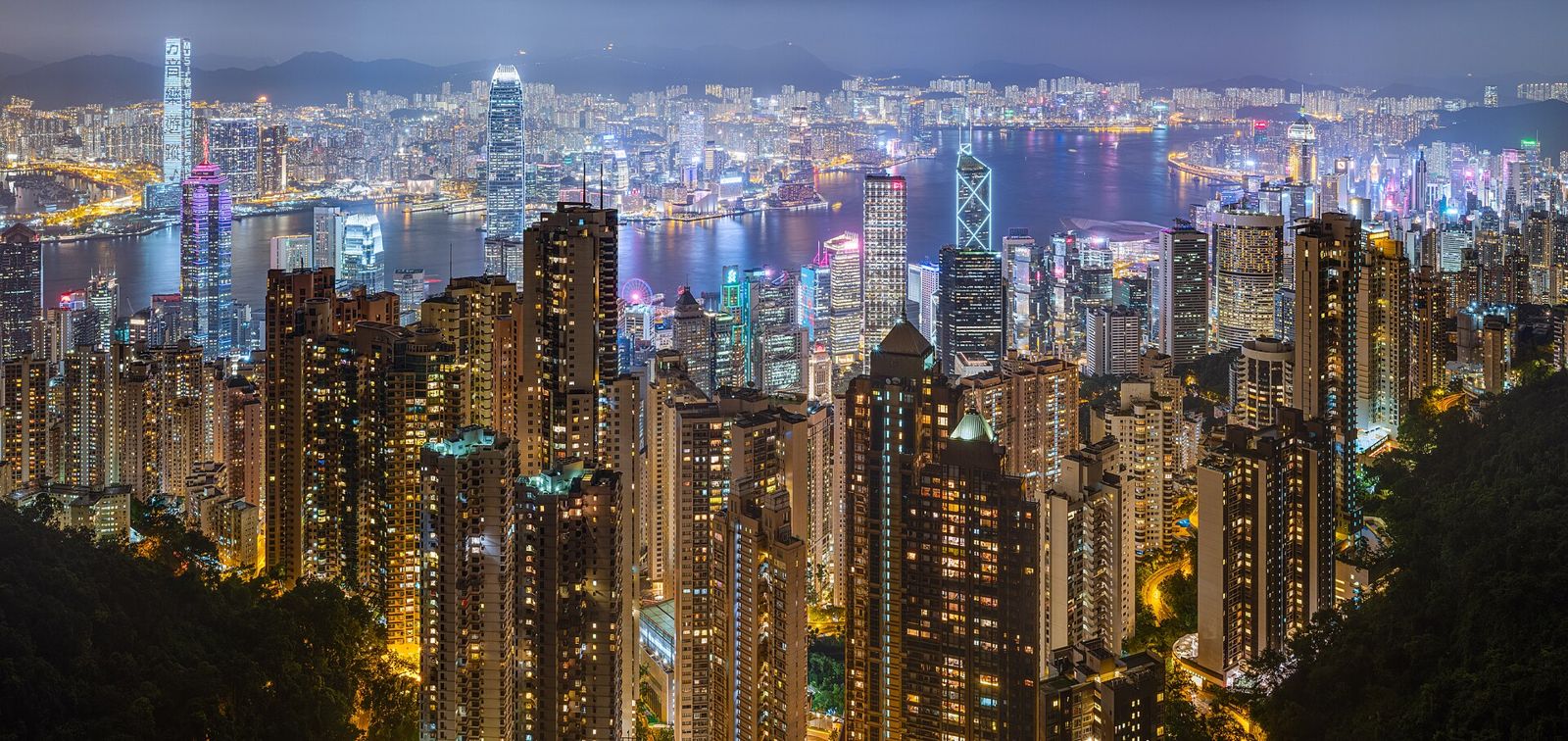
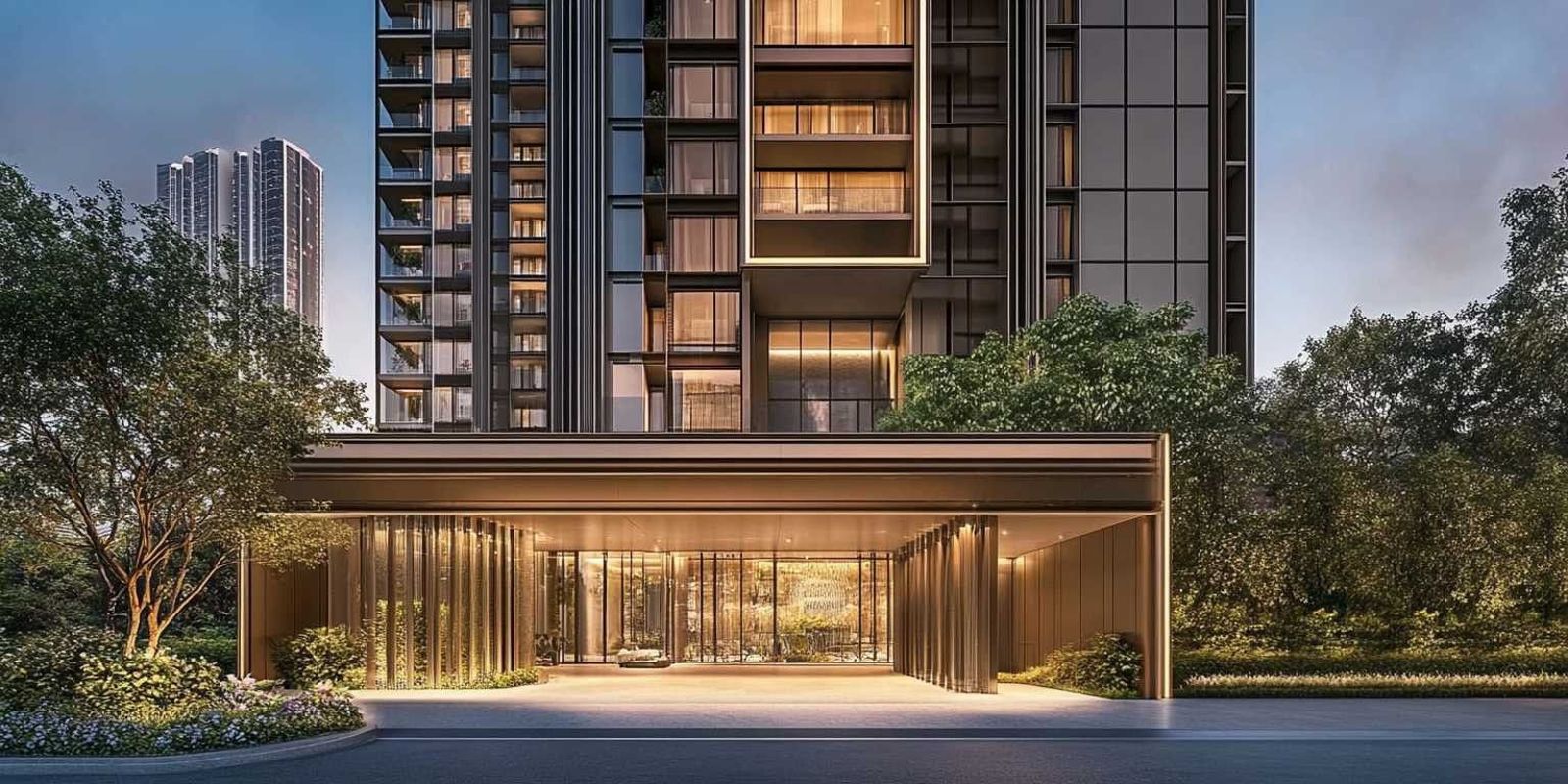
 Photo: The St. Regis Residences Singapore — Brand Atlas
22 August 2026 ·5 min read
Branded Residences in Singapore: Scarcity, Stamp Duty and the Case for Quality

Singapore is the most institutionally governed luxury residential market in Asia. Land supply is controlled through the Government Land Sales programme, development is bound by URA planning parameters, and the cooling-measure regime is adjusted deliberately and without sentiment. That environment deters speculative sponsors — and it is precisely why capital keeps arriving.
Where the market actually is
- Core Central Region (Districts 9, 10, 11) — Orchard, Tanglin, Bukit Timah, Ardmore, Nassim. The traditional home of branded and hotel-affiliated residential product.
- Marina Bay and Downtown Core — waterfront towers with hotel and club affiliations, favoured by relocating executives and family offices.
- Sentosa Cove — the only location where foreigners can buy landed property with approval, and a market that has been through a full cycle of correction and partial recovery.
- Conservation and shophouse-adjacent product — small, rare, and increasingly the vehicle for boutique-brand affiliations in the Tanjong Pagar and Bugis fringe.
The tax reality every sponsor must model
Additional Buyer's Stamp Duty is the defining commercial fact of Singapore residential. Foreign individuals pay 60% ABSD on residential purchases; entities pay more. Singapore citizens pay nothing on a first property and escalating rates thereafter. There is also a Seller's Stamp Duty on disposals within the holding period, and the Qualifying Certificate regime constrains foreign-controlled developers' sale timelines.
The practical consequences are unambiguous:
- 01The addressable buyer pool is domestic-led. Citizens, permanent residents and long-settled families dominate branded absorption. Marketing plans built around offshore buyers will miss.
- 02Absorption pace matters more than headline price. Developer timelines under the Qualifying Certificate and ABSD-for-developers regime penalise slow sell-down severely. A brand that adds six months of velocity can be worth more than one that adds five per cent of price.
- 03Unit mix must fit local demand. Large-format family units and duplexes in prime districts outperform investor-grade one-bedroom stock, which is exactly the stock the tax regime punishes.
| Segment | Typical positioning | Indicative premium vs comparable unbranded |
|---|---|---|
| Orchard / Ardmore / Nassim | Hotel-attached or standalone branded | 15-30% |
| Marina Bay waterfront | Hotel and club affiliated towers | 15-25% |
| Sentosa Cove | Resort-branded low density | 10-25% |
| Boutique conservation-adjacent | Design and lifestyle brands | 10-20% |
Why the premium is narrower — and why that is fine
Sponsors arriving from the Gulf are often disappointed by Singapore premium data. They should not be. In markets where unbranded luxury is unreliable, the brand sells certainty and the premium is wide. In Singapore, construction quality is high, strata management is regulated, and buyers already expect competent buildings. The brand therefore competes on a narrower margin — design, service culture, amenity depth and resale liquidity — and the premium reflects that.
What Singapore offers instead is absorption reliability and exit liquidity. A well-branded prime scheme here sells through cycles that would stall product elsewhere, and it resells to an institutional-quality buyer base. For a sponsor, that is often worth more than a headline premium.
Which brands work here
Hotel brands with an existing Singapore operating footprint have a structural advantage: the residence can plug into a real hotel, real F&B and a real service team rather than a contracted approximation. That is why hotel-attached models — St. Regis, Ritz-Carlton, Capella, Raffles-adjacent and Como-style boutique operators — have historically outperformed brand-licence-only schemes in this market.
Non-hotel lifestyle and design brands can work in the boutique conservation segment, where the buyer is purchasing character rather than service. They struggle in the mainstream prime towers, where Singaporean buyers ask precise questions about what the affiliation actually delivers on a Tuesday morning.
Delivery and planning considerations
- URA parameters govern everything — plot ratio, height, setback, and increasingly sustainability and greenery replacement requirements. Design the brand standard around the envelope, not the other way round.
- BCA Green Mark and sustainability requirements are tightening. International brand technical standards and Singapore's environmental requirements need to be reconciled early or the MEP redesign cost lands late.
- Strata management law determines how the operator accesses common property and how the branded service charge is levied. The management corporation structure must be documented alongside the licence, not after it.
- Construction cost and manpower remain elevated. Brand-standard specifications add real cost; they must be underwritten against a premium that Singapore's narrower spread may not fully cover.
The capital picture
Singapore residential development is financed conservatively — bank debt at moderate loan-to-cost with strong sponsor equity, frequently through joint ventures between local listed developers and offshore institutional partners. The Qualifying Certificate and developer ABSD regimes mean that time is the primary risk, so capital structures are built around sell-down speed rather than long-hold economics.
For international capital, Singapore is typically accessed through a JV with an established local developer that can navigate the GLS process and the regulatory regime. Attempting a first branded scheme here without that partnership is an expensive way to learn the rules.
Outlook to 2030
Three trends are visible. Wealth migration continues to underpin demand despite the tax regime, because families relocating to Singapore are buying a jurisdiction, not a yield. Supply stays tight, as the GLS programme releases prime sites sparingly and en-bloc activity is cyclical. And branded product moves down-market slightly, from ultra-prime towers into well-designed mid-luxury schemes where a service affiliation differentiates an otherwise uniform product.
Singapore will never be a volume branded residence market. It will remain one of the most reliable.
Frequently Asked Questions
Can foreigners buy branded residences in Singapore?
Yes, foreigners can buy apartments and condominium units, including branded residences, but they pay 60% Additional Buyer's Stamp Duty on residential purchases. Landed property generally requires government approval and is restricted, with Sentosa Cove the main exception. As a result, most branded absorption comes from citizens, permanent residents and locally structured buyers.
What premium do branded residences achieve in Singapore?
Typically 10-30% over comparable unbranded prime stock, which is narrower than in emerging markets. The spread is smaller because Singapore's unbranded luxury baseline is already high in construction quality and management standards, so the brand competes on design, service depth and resale liquidity rather than basic delivery certainty.
Which areas of Singapore have branded residences?
Mainly the Core Central Region — Orchard, Ardmore, Nassim, Tanglin and Bukit Timah — plus Marina Bay and the Downtown Core for waterfront towers, and Sentosa Cove for resort-format product. A small boutique segment is emerging in conservation-adjacent locations near Tanjong Pagar.
Is a hotel-attached model better than a brand licence in Singapore?
Usually, yes. Hotel-attached schemes can draw on an operating hotel's service team, F&B and amenity base, which Singaporean buyers interrogate closely. Standalone brand-licence schemes must fund an equivalent service platform independently, and the economics are harder to justify against a narrower premium.
See also
Market guides by country
- 'The Future of Branded Residences' — Global Tour 2026
- What Are Branded Residences? The Definitive 2026 Guide
- Branded Residence Ownership Structures Explained: The 2026 Guide
- Hotel-Branded vs Design-Branded Residences: The 2026 Comparison
- What Are Branded Residences? 2026 Definition, Models and Market Size