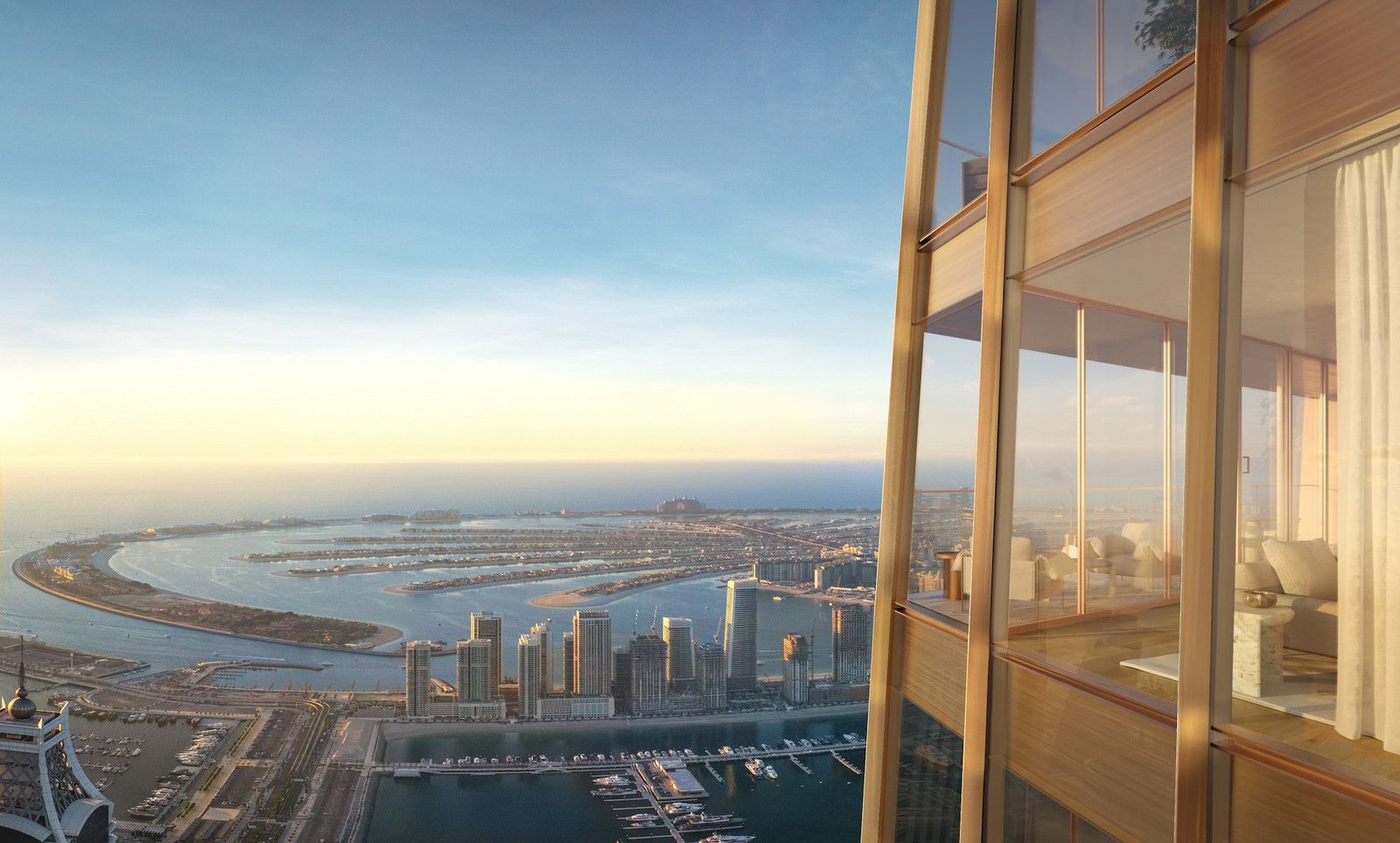
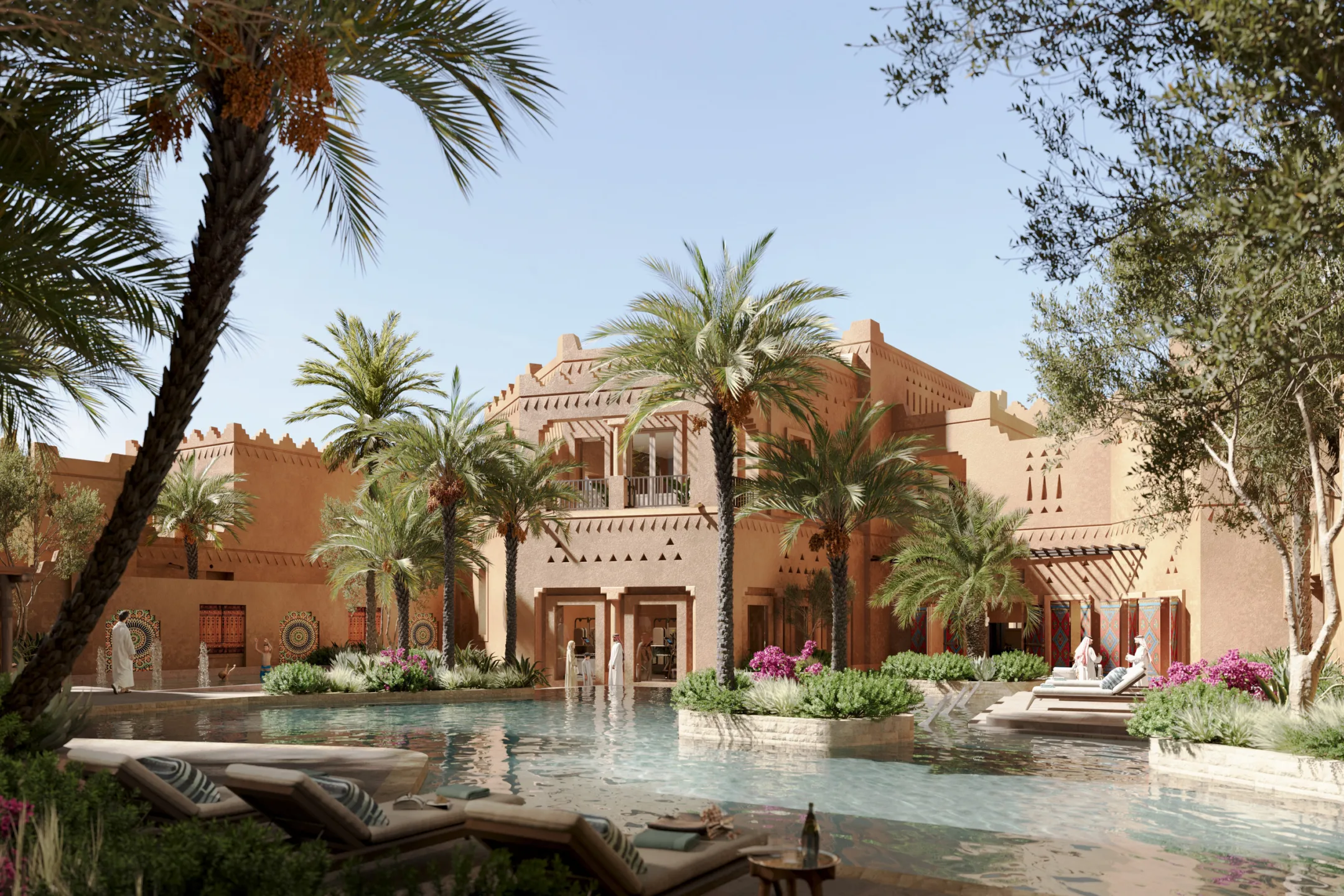
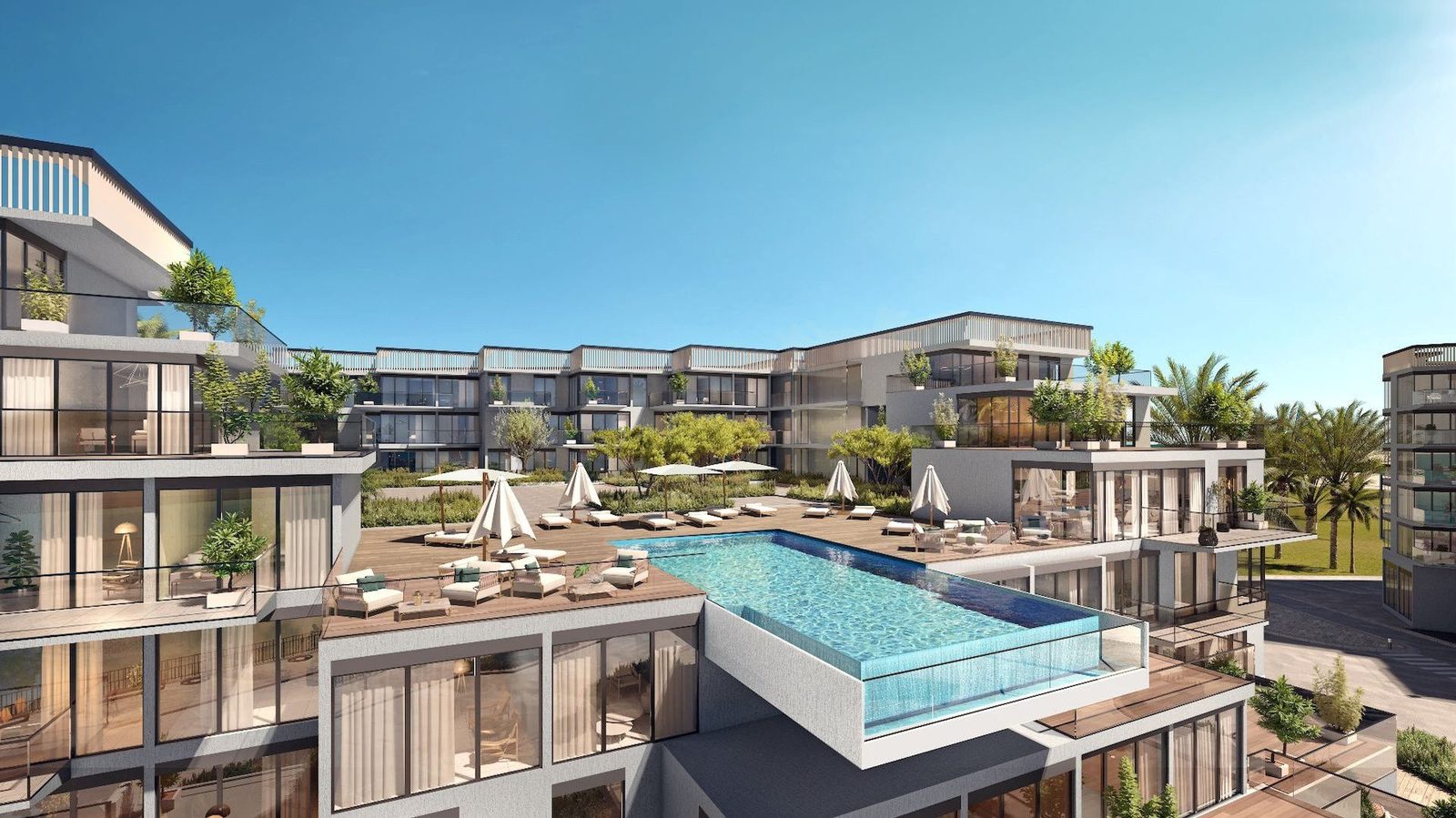
 Photo: Les Vagues by Elie Saab, Doha — Brand Atlas
28 August 2026 ·4 min read
Branded Residences in Qatar: Post-Tournament Maturity

Doha's problem is not quality. The city has a density of five-star operators that would flatter a market three times its size. The problem is depth of residential demand: Qatar's population is small, the expatriate professional cohort is concentrated in a handful of sectors, and the post-2022 supply overhang took real time to absorb. That makes brand selection a demand-generation exercise rather than a price-maximisation one.
The three districts that matter
| District | Character | Branded fit |
|---|---|---|
| Lusail | New waterfront city, marina and towers | Large-format hospitality-branded schemes |
| The Pearl | Established island, freehold, retail-anchored | Mid to upper-prime, resident expatriate buyer |
| Msheireb Downtown | Regenerated heritage core, low-rise, sustainable | Boutique and design-led, institutional buyer |
Msheireb is the most interesting from a positioning standpoint. It is one of the few genuinely distinctive urban regeneration projects in the Gulf — low-rise, walkable, architecturally coherent and explicitly not a tower cluster. A boutique branded scheme there has a narrative that no Lusail tower can replicate, and narrative is what carries premium in a thin market.
Foreign ownership: the enabling change
Qatar's opening of designated freehold and leasehold zones to foreign buyers, together with residency rights linked to qualifying property investment, materially changed the addressable market for branded product. Before that, a branded scheme was selling into a domestic pool of a few thousand credible households. Now it can target regional and international buyers, which is the precondition for the premium to hold.
What premium is realistic
We underwrite Qatari branded schemes conservatively — typically a 15-30% premium over comparable unbranded prime stock, with the higher end reserved for genuinely scarce waterfront or Msheireb product with a top-tier operator. Qatar does not currently support the premiums Dubai's ultra-prime segment achieves, because the buyer pool is smaller and the resale market shallower.
The compensating factor is cost. Land and construction economics in Doha, combined with a hospitality sector already operating at scale, mean a well-structured scheme can deliver an attractive development margin on a lower premium than would be required elsewhere in the region.
Structuring for a thin market
- 01Size the scheme to the buyer pool, not the plot. The most common error in Qatar is building the number of units the massing permits rather than the number the market absorbs in a reasonable sales period.
- 02Anchor to a hotel where possible. In a market with limited standalone branded-residence precedent, the visible hotel component does substantial work in validating the service proposition.
- 03Design for the resident family. The realistic buyer is a household that will occupy, not a yield investor. Unit mix should skew larger and layouts should reflect that.
- 04Negotiate a rental programme that actually functions. Doha's short-let market is thinner than Dubai's; a rental programme promised in marketing and undelivered in practice is a reputational liability.
- 05Phase the release. Absorption discipline protects pricing far more effectively than discounting does.
Pitfalls
- Assuming event-driven demand recurs. Tournament infrastructure created supply; it did not create permanent residential demand.
- Over-indexing on Lusail towers, where competing product is most concentrated.
- Selecting a brand with no regional recognition in a market where the buyer pool is too small to be educated economically.
- Ignoring the service charge relative to Doha's operating cost base, which differs materially from the UAE.
Outlook
Qatar is a selective market, not a volume one. The schemes that will perform are those that treat brand as a way of making a distinctive urban product legible to an international buyer — Msheireb boutique product, genuinely scarce waterfront, and hotel-anchored schemes with credible service. Sponsors expecting Dubai-style absorption will be disappointed; sponsors underwriting a smaller, better scheme have a real opportunity in a market where credible branded competition remains limited.
Frequently Asked Questions
Can foreigners buy property in Qatar?
Yes, within designated freehold and leasehold zones, and qualifying property investment can carry residency rights. Zone boundaries and investment thresholds have been amended more than once, so confirm the current position with the relevant Qatari authority before relying on it.
Where are branded residences located in Doha?
Principally in three districts: Lusail, the new waterfront city with large-format tower schemes; The Pearl, an established freehold island with a resident expatriate buyer base; and Msheireb Downtown, a low-rise regenerated heritage core suited to boutique and design-led branded product.
What premium do branded residences achieve in Qatar?
Typically 15-30% over comparable unbranded prime stock, with the upper end reserved for scarce waterfront or Msheireb product with a top-tier operator. Premiums are lower than Dubai's because the buyer pool is smaller and the resale market shallower.
Is Qatar oversupplied with luxury residential property?
Qatar worked through significant residential supply following its 2022 infrastructure build-out. That history is why branded schemes there need to be sized to genuine absorption rather than to plot capacity, and why phased release and disciplined unit counts matter more than in higher-volume Gulf markets.
See also
Market guides by country
- 'The Future of Branded Residences' — Global Tour 2026
- What Are Branded Residences? The Definitive 2026 Guide
- Branded Residence Ownership Structures Explained: The 2026 Guide
- Hotel-Branded vs Design-Branded Residences: The 2026 Comparison
- What Are Branded Residences? 2026 Definition, Models and Market Size