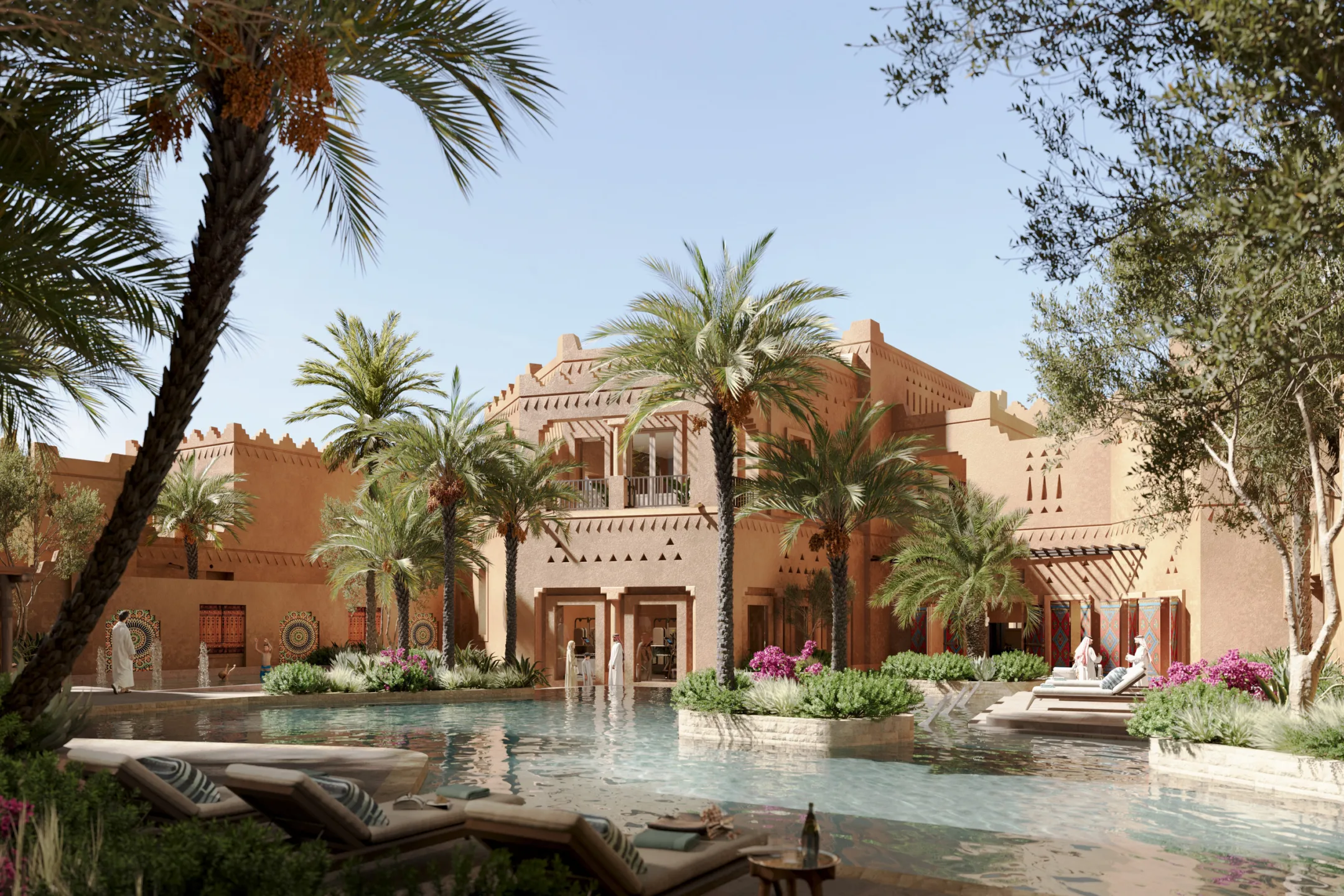
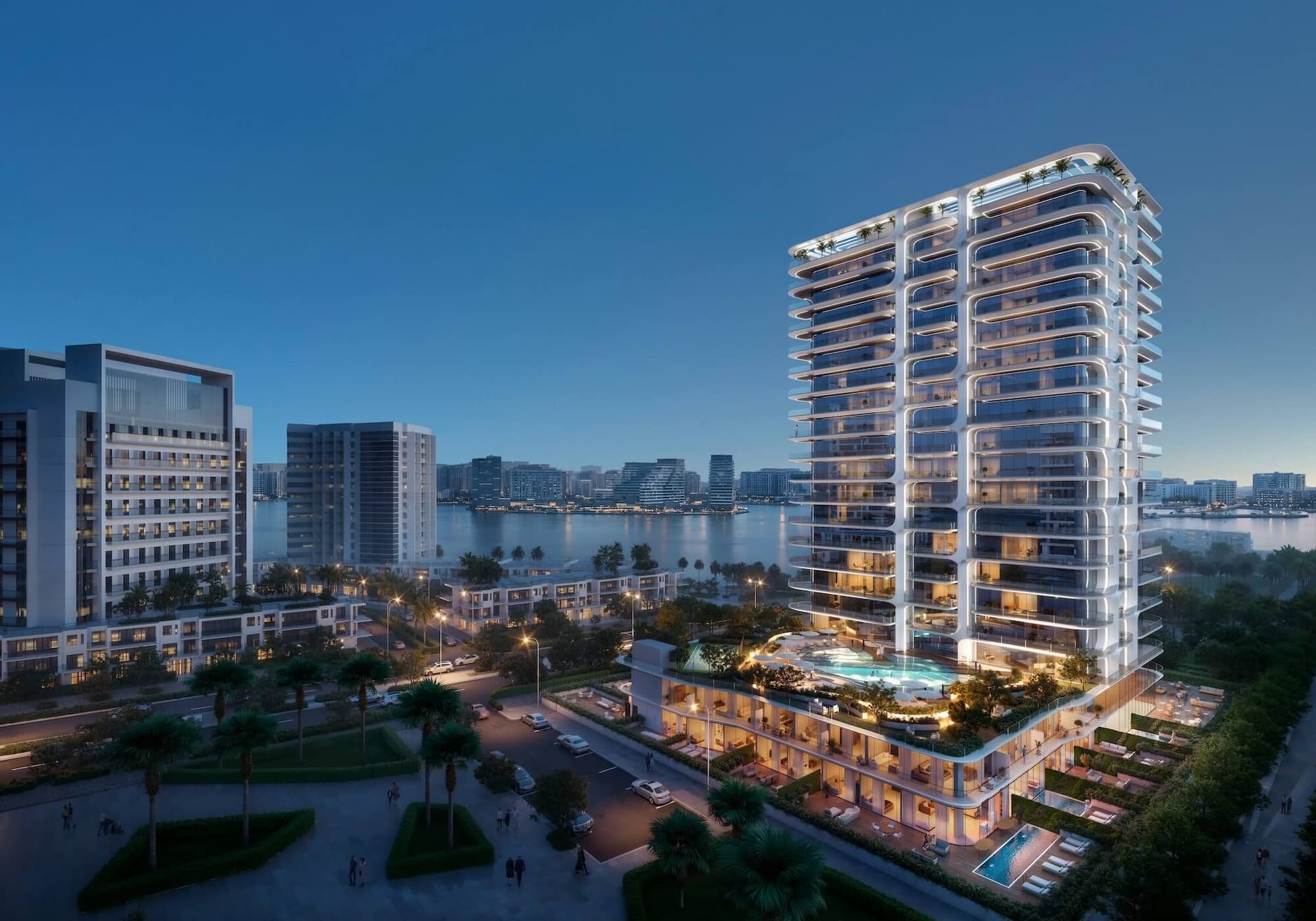
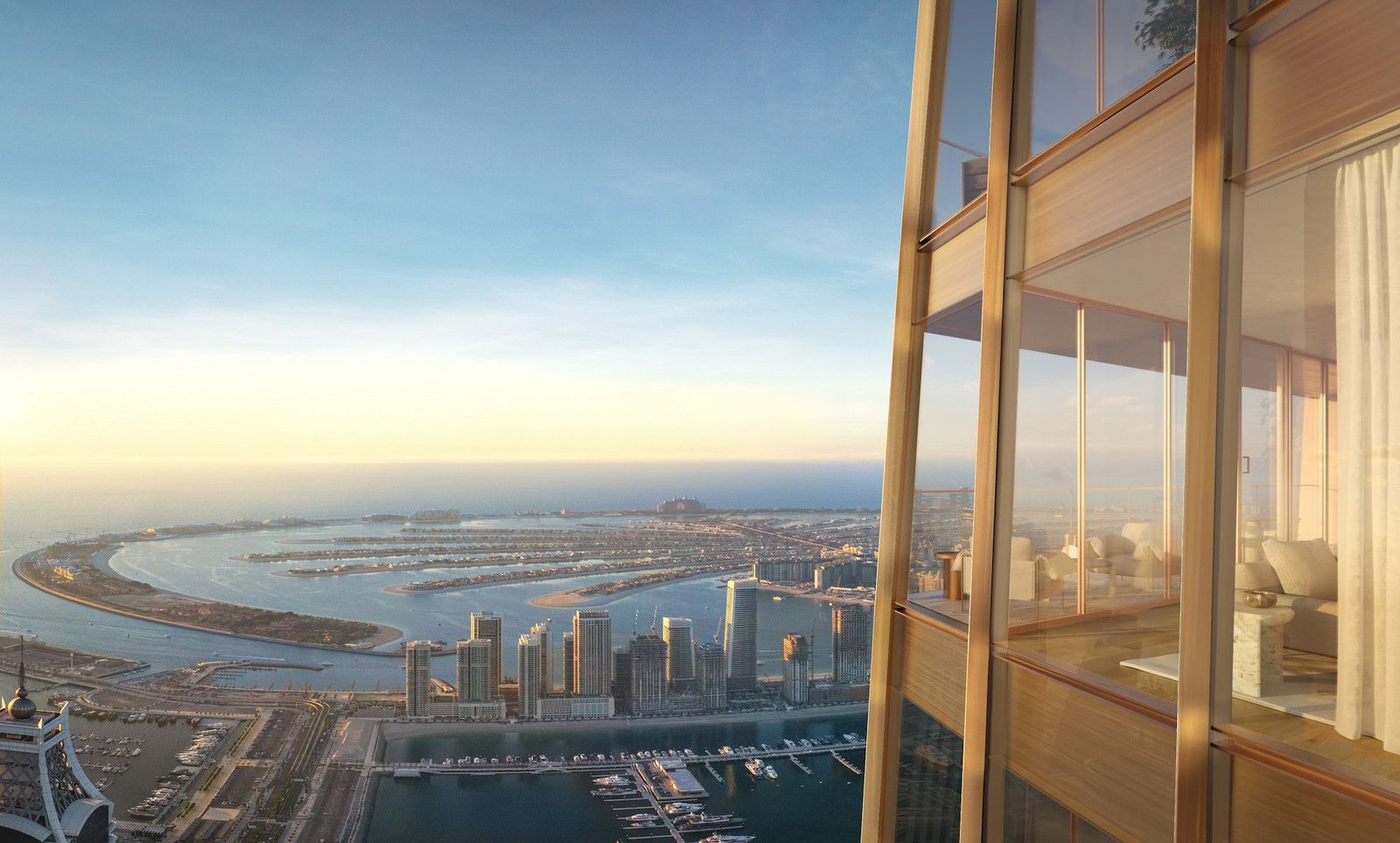
 Photo: Six Senses Dubai Marina — Brand Atlas
30 August 2026 ·6 min read
Branded Residences in Dubai: The 2026 Market Guide for Developers and Buyers

Dubai did not invent the branded residence, but it industrialised it. What began with a handful of hotel-attached schemes on the Palm and along Sheikh Zayed Road is now a market where a serious prime launch without a brand attached is the exception rather than the rule. For developers, that creates a harder question than it did five years ago: not *whether* to brand, but which brand still moves price in a market where almost everyone has one.
How big the Dubai market actually is
Dubai has been the world's number-one city for branded residences in successive Savills and Knight Frank global rankings, and the gap to second place is not close. The pipeline runs across three distinct product bands, and conflating them is the most common analytical error we see in feasibility studies.
| Segment | Typical price band | Brand type | Premium range |
|---|---|---|---|
| Ultra-prime waterfront | AED 5,000+ /sq ft | Aman, Bulgari, Four Seasons, Cheval Blanc | 40-70% |
| Prime hospitality-branded | AED 2,500-4,500 /sq ft | Ritz-Carlton, Mandarin Oriental, Six Senses, Rosewood | 25-45% |
| Design and fashion-branded | AED 1,800-3,000 /sq ft | Automotive, fashion and designer licences | 8-25% |
The critical point is that the third band has expanded fastest. When a district contains four or five design-branded towers within walking distance, the brand stops being a differentiator and becomes a hygiene factor — the premium collapses towards the cost of the licence fee, and the developer has bought marketing rather than value.
Which brands are actually transacting in 2026
Three groups behave very differently in the Dubai market, and a developer's shortlist should reflect that rather than a generic ranking of hotel companies.
- Scarcity operators. Aman, Bulgari, Cheval Blanc and Four Seasons deliberately limit density. They are hard to secure, slow to negotiate, and carry the most demanding brand standards — but they are the only names still delivering premiums above 50% with genuine resale support.
- Scale luxury operators. Ritz-Carlton, Mandarin Oriental, Rosewood, St. Regis, Six Senses and Raffles. Well-understood by Dubai buyers, bankable with lenders, and the natural fit for a 150-350 key mixed-use scheme. This is where most credible projects land.
- Lifestyle and licence-only brands. Fashion houses, automotive marques and designer studios. These can be extremely effective when the brand has genuine relevance to the buyer pool and the design is authentically delivered — and extremely weak when the licence amounts to a logo on a hoarding.
The diagnostic question we put to every client is simple: if you removed the brand name from the marketing, would the product still be recognisably different? If the answer is no, the premium is not defensible and will not survive first resale.
What the licence actually costs
Developers routinely underestimate the total cost of brand. The headline licence fee is the smallest line.
- 01Upfront licence or territory fee, paid at signing, typically structured against the number of units and the exclusivity radius granted.
- 02Ongoing royalty on residential sales, commonly expressed as a percentage of gross sales revenue and payable as units close.
- 03Brand standards capex. Specification uplift on finishes, MEP, back-of-house and amenity provision — often the single largest number, and the one most frequently missing from early feasibility.
- 04Amenity and service subsidy. A branded scheme carries staffed amenities that must be funded through the service charge; where the charge cannot bear it, the developer or the hotel component subsidises the shortfall.
- 05Post-handover management and residual obligations, including the brand's approval rights over the residents' association and any rental programme.
Service charges: the number that kills resale
Dubai buyers are now materially more sophisticated about running costs than they were in 2019. A branded tower with an AED 45-60 per sq ft service charge is a legitimate product if the service genuinely justifies it. The same charge on a scheme where the branded amenity is a lobby and a gym is a resale problem the moment the first owner tries to exit.
In feasibility we model the service charge as a *pricing input*, not an operating output. Every additional AED 10 per sq ft of annual charge is capitalised by an informed buyer and comes straight off the price they will pay. Brand standards that inflate the charge without inflating perceived service destroy more value than the licence fee ever creates.
Regulatory and structural notes
Dubai's freehold framework, RERA escrow requirements and the Dubai Land Department registration regime are well-established and generally investor-friendly, which is a large part of why the market scaled. The structural questions specific to branded product are contractual rather than statutory:
- Whether the residential component sits in the same jointly-owned property declaration as the hotel, and how shared amenity costs are apportioned.
- Whether the rental programme is voluntary, and whether owners retain the right to let independently.
- Whether the brand's approval rights over resale, fit-out changes and short-let usage are proportionate.
- How the reserve fund is set, given branded assets have a materially higher FF&E replacement cycle.
Common pitfalls in Dubai branded schemes
- Branding a location that cannot carry the premium. Brand amplifies location; it does not substitute for it.
- Signing the licence before the design is tested against brand standards, then discovering a capex gap of AED 300-600 per sq ft.
- Choosing the brand your board recognises rather than the one your buyer pool aspires to.
- Ignoring exclusivity radius, and finding a sister property from the same operator launching two kilometres away.
- Modelling the premium off launch asking prices in comparable schemes rather than registered transaction data.
The 2026 outlook
Dubai's absorption has been strong enough to justify the pipeline so far, but the market is bifurcating. We expect continued premium expansion at the ultra-prime end, where supply is genuinely constrained by brand scarcity, and continued compression in the crowded design-branded middle. Developers entering now should assume they are competing not with unbranded stock but with other branded stock — which raises the bar on brand fit, design authenticity and service delivery rather than on the brand name alone.
Frequently Asked Questions
How many branded residences are there in Dubai?
Dubai has the largest concentration of branded residences of any city globally, with well over a hundred schemes completed, under construction or announced. It has topped successive global rankings from Savills and Knight Frank, ahead of Miami, New York and Phuket.
What premium do branded residences achieve in Dubai?
Premiums vary sharply by segment. Ultra-prime scarcity brands such as Aman, Bulgari and Cheval Blanc can achieve 40-70% over comparable unbranded prime stock. Established hospitality brands typically achieve 25-45%. Design and licence-only brands in crowded districts increasingly achieve single-digit to low-20s uplift.
Are branded residences in Dubai a good investment?
They can be, but the outcome depends on brand scarcity in the immediate district, the service charge relative to the service actually delivered, and the licence term. Branded stock in a district with several competing branded towers, carrying a high service charge and a short brand term, is the profile most likely to disappoint on resale.
What does it cost a developer to brand a scheme in Dubai?
The licence fee is only part of it. Total cost comprises an upfront territory fee, an ongoing royalty on residential sales, brand-standards capex on specification and amenity, an amenity and service subsidy, and post-handover management obligations. Brand-standards capex is usually the largest and most frequently underestimated component.
Can foreigners buy branded residences in Dubai?
Yes. Branded residences in Dubai's designated freehold areas are available to foreign buyers on the same basis as other freehold property, registered with the Dubai Land Department, with the usual RERA escrow protections applying to off-plan purchases.
See also
Market guides by country
- 'The Future of Branded Residences' — Global Tour 2026
- What Are Branded Residences? The Definitive 2026 Guide
- Branded Residence Ownership Structures Explained: The 2026 Guide
- Hotel-Branded vs Design-Branded Residences: The 2026 Comparison
- What Are Branded Residences? 2026 Definition, Models and Market Size