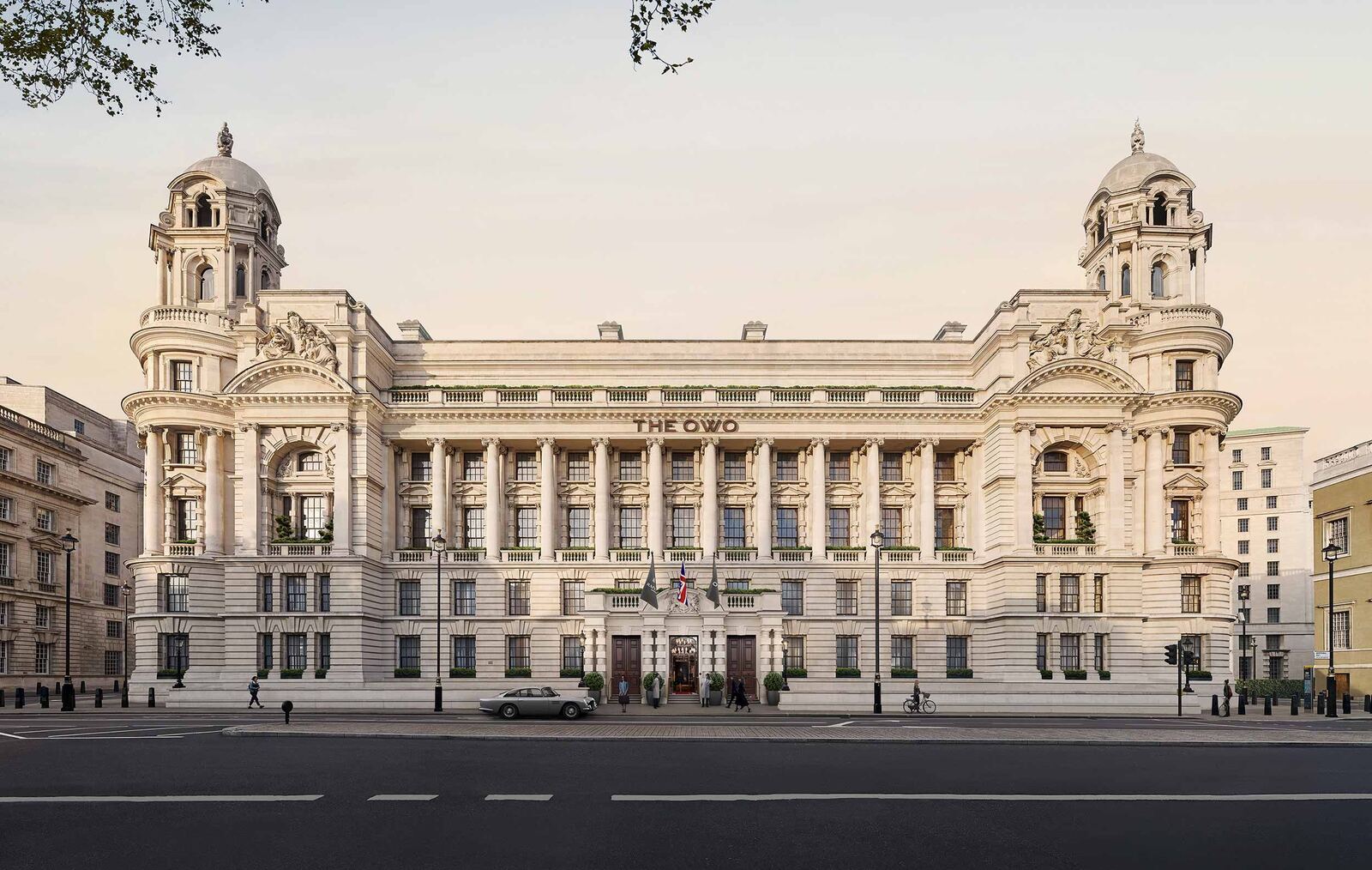
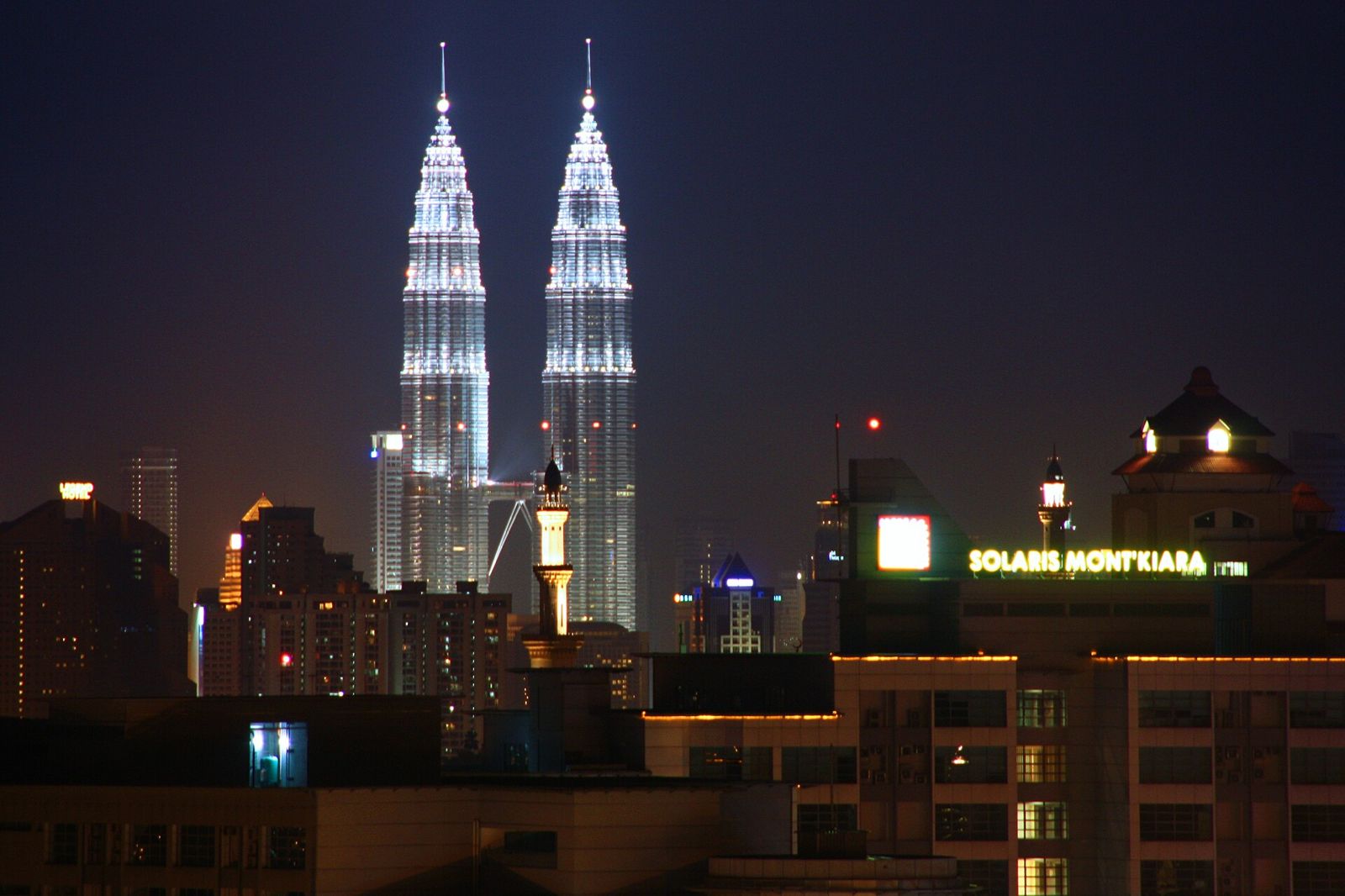
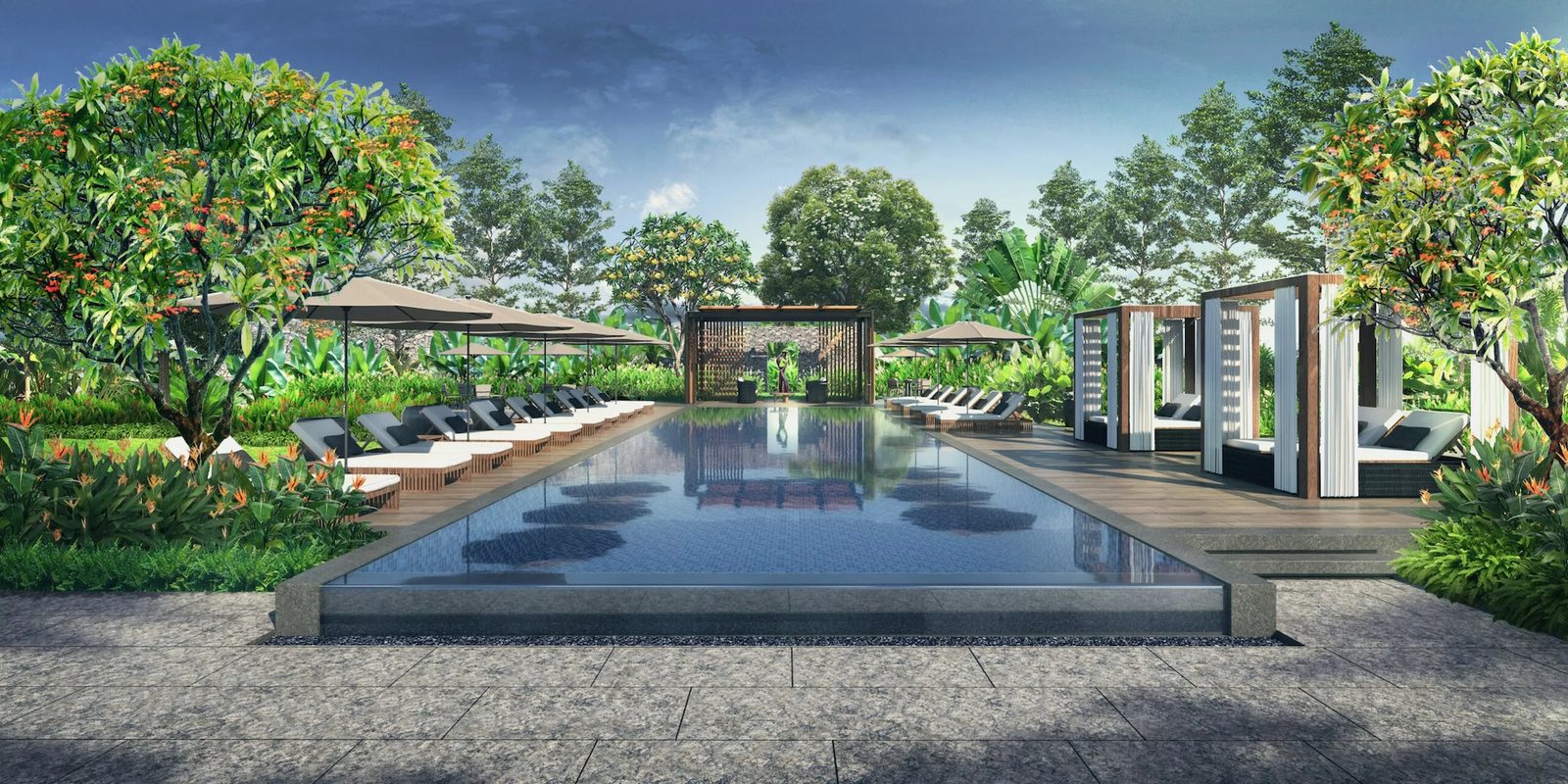
 Photo: Shang Residences, Manila — Brand Atlas
16 September 2026 ·5 min read
Branded Residences in the Philippines: Manila, Cebu, Boracay and the 40% Rule

Manila's luxury market has an unusual characteristic: brand loyalty runs to the developer first and the hotel operator second. A small group of listed conglomerate developers — the families behind Makati, Bonifacio Global City and Ortigas — command genuine pricing power, and their partnership with an international brand is read by buyers as a double guarantee.
That is the frame any foreign sponsor needs to understand. In Dubai the brand is the primary trust signal. In Manila the developer is, and the brand is the amplifier.
Where the market actually is
- Makati CBD — the established prime market: old money, corporate depth and the country's best-tested luxury resale evidence.
- Bonifacio Global City (BGC) — the modern prime market, masterplanned, walkable by Manila standards, and the preferred location for new branded towers.
- Ortigas, Rockwell and the emerging bay-area districts — strong secondary prime markets with active branded pipeline.
- Cebu and Mactan — the leading regional market, combining a real urban economy with resort frontage; the strongest non-Manila branded absorption.
- Boracay, Palawan (El Nido, Coron) and Siargao — resort markets where environmental carrying capacity, not demand, is the constraint. Boracay's 2018 closure and rehabilitation remains the reference case for regulatory risk in Philippine resort development.
The ownership rules that shape every sales plan
- 01Foreigners cannot own land. This is constitutional, not administrative, and it is not changing quickly. Landed resort villas are therefore not a foreign-ownership product.
- 02The 40% condominium rule. Under the Condominium Act, foreign ownership in a condominium corporation is capped at 40% of the total units. A branded tower marketed heavily offshore can hit this ceiling and be legally unable to complete further foreign sales.
- 03Long-term lease as an alternative. The Investors' Lease Act permits long leases of land to foreign investors, commonly structured as 50 years renewable by 25 — workable for resort and operating assets, less attractive for individual second-home buyers.
- 04Overseas Filipinos are the swing buyer. Former Filipino citizens retain rights that ordinary foreigners do not, and the overseas Filipino community is a substantial, reliable and frequently under-targeted source of demand for branded product.
- 05Pre-selling regulation. The subdivision and condominium buyer protection framework governs licence to sell, advertising and buyer remedies, and the regulator has become notably more active. Marketing before licence is a compliance failure with real consequences.
| Segment | Typical positioning | Indicative premium vs comparable unbranded |
|---|---|---|
| Makati CBD | Hotel-attached and branded towers | 20-35% |
| Bonifacio Global City | Branded towers, new prime | 25-40% |
| Cebu / Mactan | Resort-attached urban and coastal | 20-35% |
| Boracay / Palawan | Resort villas and suites, capacity-limited | 25-45% |
What the buyer is actually paying for
Three things, in order. Service certainty in a market where building management quality is highly variable — a professionally operated building holds its condition and therefore its value. Amenity and address — in a congested metropolis, an amenity-complete building where residents rarely need to travel is worth a genuine premium. And rental and resale liquidity, since branded stock in BGC and Makati resells to a broader pool, including expatriate corporate tenants.
What buyers are *not* paying for is size. Philippine luxury units are compact by regional standards, and brand standards written for Gulf or North American unit sizes have to be reinterpreted rather than imported. This is one of the most common friction points in technical services here.
Which brands are transacting
The active set is led by the global hotel groups with existing Manila operations — the Marriott luxury portfolio, Shangri-La, Accor's upper tiers, Hyatt, Rosewood and Banyan Tree-adjacent wellness operators — almost always in partnership with a major listed developer. Lifestyle and design brands are appearing in BGC and in resort markets, where they suit smaller, more characterful schemes.
Brand selection should weight distribution to the overseas Filipino market, the operator's real staffing depth in Manila and Cebu, and whether the residential management scope is genuinely separate from the hotel's. See [how developers select a hospitality brand partner](/news/how-developers-select-hospitality-brand-partner) and our guide to [licence terms](/news/branded-residence-licence-terms-2026).
What sponsors get wrong in the Philippines
- Marketing past the 40% cap. The most avoidable failure in the market, and it surfaces at exactly the wrong moment — during final closings.
- Underestimating typhoon and seismic design. Envelope performance, drainage, backup power and water storage are not value engineering candidates. Failures here become permanent reputational damage.
- Assuming infrastructure timing in resort markets. Airport capacity, water supply and wastewater treatment limit what can be delivered in Palawan and parts of Cebu regardless of permits.
- Ignoring the condominium corporation. Once units transfer, the corporation controls common areas and budgets. The operating agreement and the master deed must be drafted together, before the first unit is sold.
- Treating the domestic buyer as a fallback. They are the market. A scheme designed for offshore demand with domestic sales as a plan B is designed backwards.
The capital picture
Philippine development is financed mainly by domestic conglomerate balance sheets, local bank debt and pre-sales, which are a genuine funding source under the local regulatory regime. International capital typically enters through joint ventures with listed developers or through REIT-adjacent structures on stabilised assets. The peso, local rate policy and construction cost inflation are the three variables that move feasibility most.
For an international sponsor, the realistic entry is partnership: local land control and regulatory navigation from a domestic developer, brand structuring and capital from the international side. Attempting to operate independently in land assembly is rarely efficient.
Outlook to 2030
Expect BGC and the bay area to absorb most new branded supply, Cebu to establish itself as the credible second market, and resort development to become more selective as carrying-capacity regulation tightens after Boracay. The most interesting structural shift is the overseas Filipino buyer becoming a deliberately targeted branded-residence segment rather than an incidental one — a large, loyal, dollar-earning pool that almost no scheme markets to properly.
Frequently Asked Questions
Can foreigners buy branded residences in the Philippines?
Foreigners can buy condominium units, but foreign ownership in any condominium corporation is capped at 40% of the units. Foreigners cannot own land, which rules out landed villa ownership; long-term leases of up to 50 years renewable by 25 are available to qualifying investors.
Where are the Philippines' branded residences?
Mostly in Metro Manila — Makati CBD, Bonifacio Global City, Rockwell, Ortigas and the bay area — with a growing cluster in Cebu and Mactan and a smaller resort segment in Boracay, Palawan and Siargao.
Why does the developer matter so much in the Philippines?
Delivery quality and building management vary widely, so Philippine buyers price sponsor reputation directly. The same international brand attached to different developers achieves materially different premiums and absorption, which makes the developer-brand pairing the core commercial decision.
Is Philippine resort property a good branded residence opportunity?
It can be, but environmental carrying capacity is the binding constraint. Boracay's 2018 closure for rehabilitation demonstrated that regulators will halt operations to protect the resource, so water, wastewater and tourism-capacity compliance belong at the front of feasibility rather than in permitting.
See also
Market guides by country
- 'The Future of Branded Residences' — Global Tour 2026
- Branded Residence Ownership Structures Explained: The 2026 Guide
- Hotel-Branded vs Design-Branded Residences: The 2026 Comparison
- What Are Branded Residences? 2026 Definition, Models and Market Size
- Trustworthy Branded Residence Brands in 2026: How to Judge Credibility