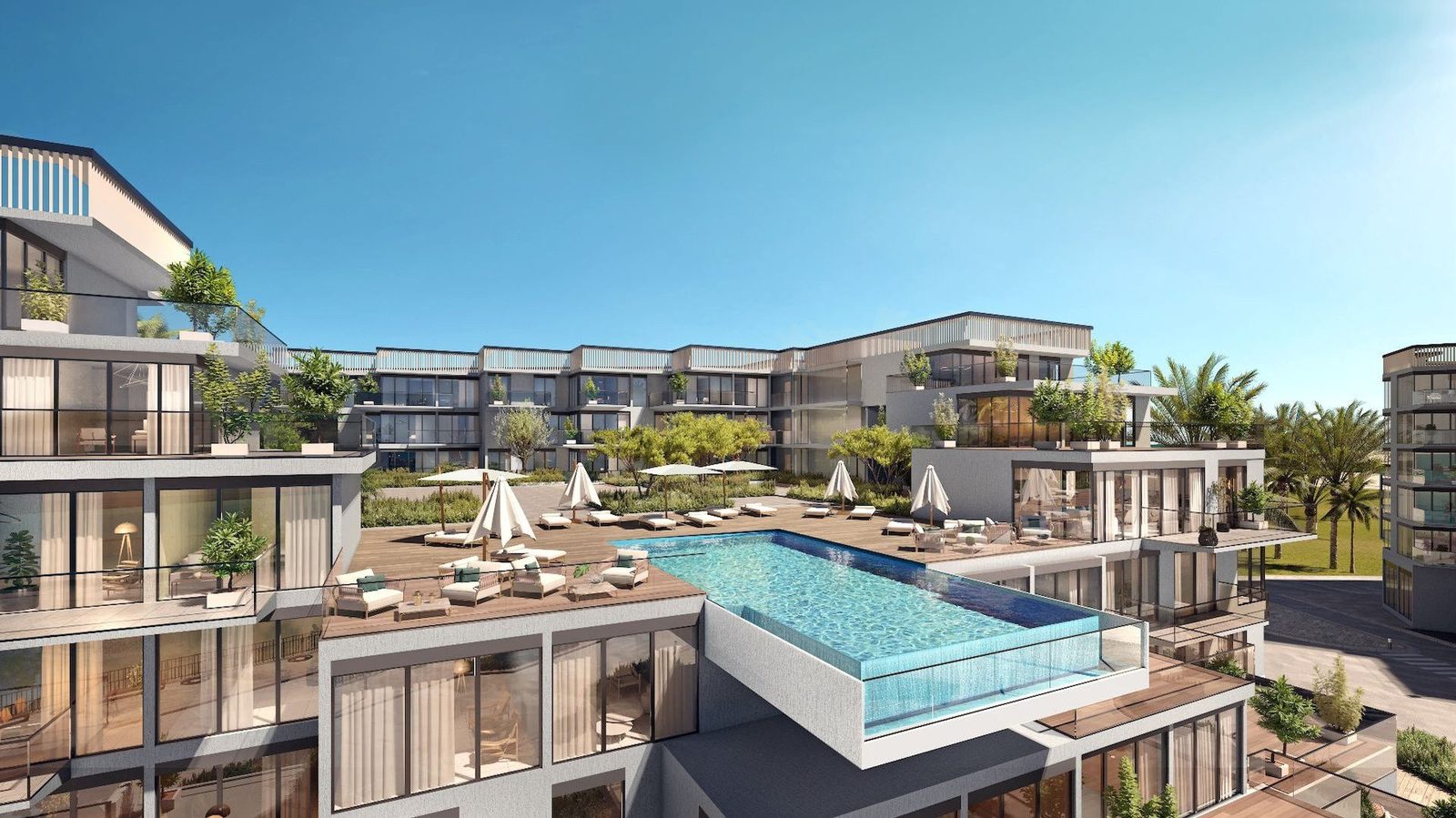
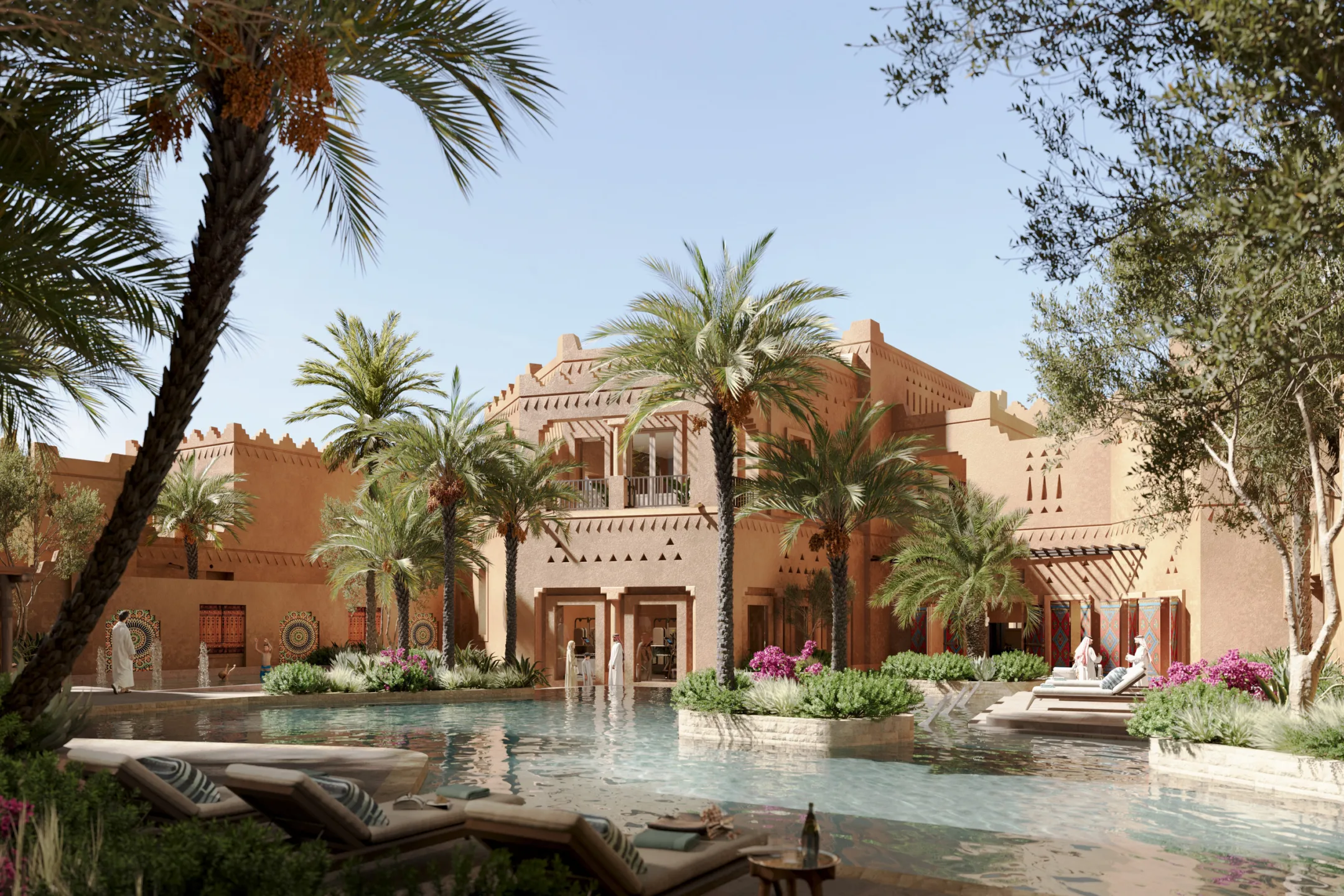
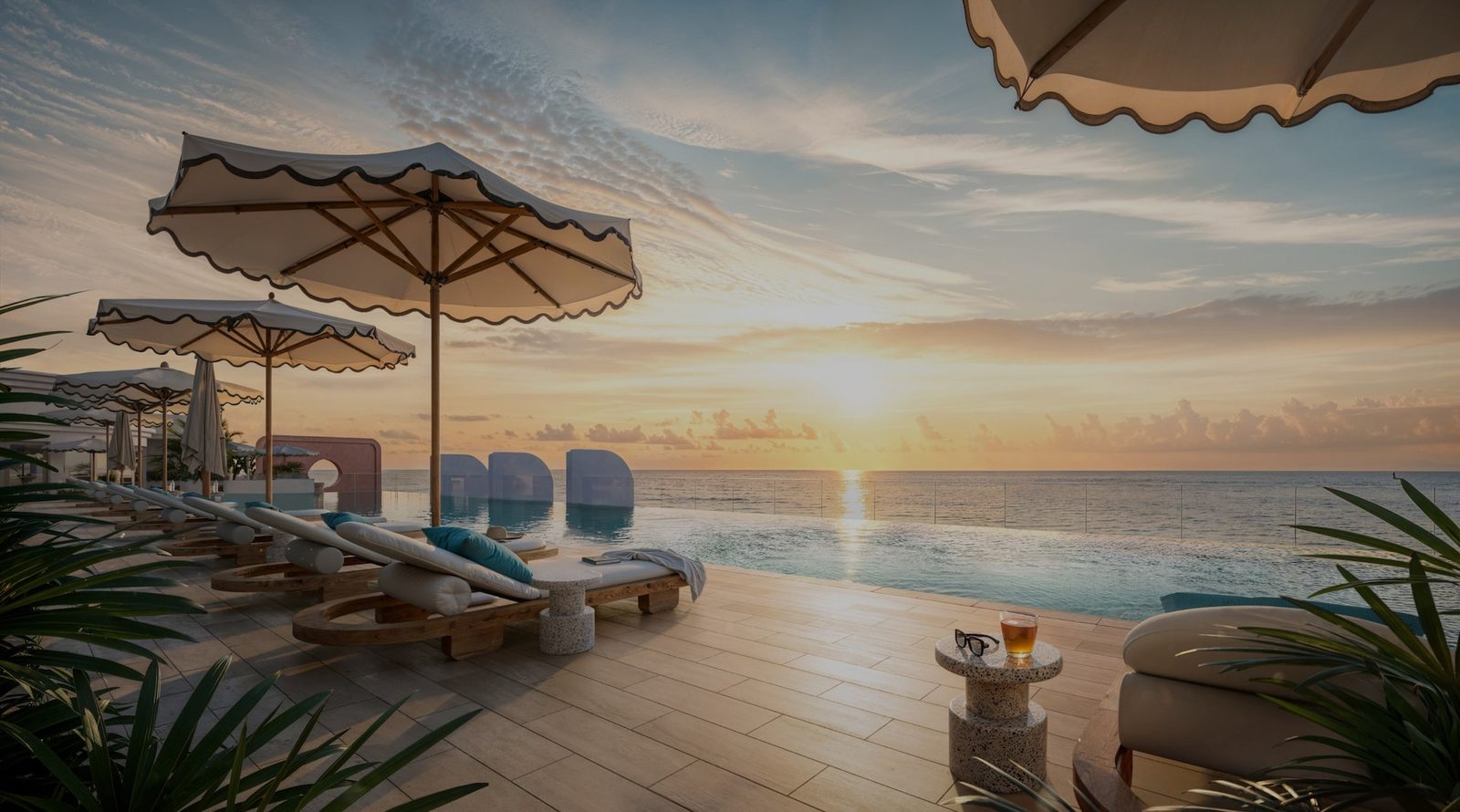
 Photo: Tivoli Bahrain — Brand Atlas
25 August 2026 ·3 min read
Branded Residences in Bahrain: Small Market, Open Framework

Bahrain is easy to dismiss on population and GDP. That misses the demand structure. The King Fahd Causeway carries very substantial weekend traffic from Saudi Arabia's Eastern Province, a region with genuine wealth concentration, and Bahrain's social and regulatory environment offers something the neighbouring market does not. A branded residence in Bahrain is not primarily selling to Bahrainis — it is selling to a regional catchment.
Ownership framework
Bahrain permits foreign freehold ownership across designated areas that are broader than most Gulf equivalents, and the regime has been in place long enough to have an established transaction and resale history. Real Estate Regulatory Authority (RERA Bahrain) oversight of off-plan sales and escrow provides institutional comfort that some regional markets still lack.
For a developer, that translates into a cleaner sales process and a wider buyer pool from day one. It does not, however, translate into depth — the constraint in Bahrain is demand volume, not legal access.
Where branded product works
| Location | Character | Branded positioning |
|---|---|---|
| Bahrain Bay | CBD waterfront, institutional | Urban hospitality-branded |
| Amwaj Islands | Established island freehold, marina | Family resort-residential |
| Durrat Al Bahrain / southern islands | Low density, long horizon | Villa-led resort product |
| Diyar Al Muharraq | Large masterplan, mixed price points | Selective, upper-tier phases only |
The Saudi adjacency — and its risk
The causeway is Bahrain's greatest asset and its greatest strategic vulnerability. Saudi Arabia's own leisure, entertainment and residential build-out is explicitly designed to retain domestic spending that historically crossed the causeway. Any Bahraini scheme underwritten on Saudi weekend demand must be stress-tested against that.
- 01Model the Saudi demand component explicitly rather than embedding it in a blended absorption assumption.
- 02Stress-test a material reduction in causeway-driven demand over the holding period.
- 03Identify what Bahrain offers that a Saudi alternative structurally cannot, and build the proposition around that rather than around convenience.
- 04Avoid product whose only advantage is proximity, which is the most easily competed away.
Scale discipline
The most consistent error in Bahrain is building too many units. The market absorbs boutique volumes well and large volumes poorly, and a stalled branded scheme damages the brand's regional standing in a way that makes the next negotiation harder for everyone. We generally advise sponsors here to halve their instinctive unit count and raise the specification accordingly.
Branded premiums in Bahrain typically run 15-30% over comparable unbranded prime stock. That is a workable number on a boutique scheme with controlled cost, and an unworkable one on a large tower carrying full brand-standard capex across hundreds of units.
Pitfalls
- Over-sizing the scheme relative to genuine absorption.
- Underwriting Saudi weekend demand as permanent without stress-testing the alternative.
- Selecting a brand with no Saudi recognition, when the Saudi buyer is the target.
- Competing on price with Diyar and other volume masterplans, which is a race a branded scheme cannot win.
Outlook
Bahrain will remain a niche branded residence market, and that is a coherent position rather than a failure. The schemes that work will be small, well-specified, priced for a regional buyer and positioned around what Bahrain distinctly offers rather than around causeway convenience. Sponsors who accept the scale constraint and design to it can do well; those who import a Dubai volume model will not.
Frequently Asked Questions
Can foreigners buy property in Bahrain?
Yes. Bahrain permits foreign freehold ownership across designated areas that are broader than most Gulf equivalents, with an established transaction and resale history. Off-plan sales and escrow are overseen by Bahrain's Real Estate Regulatory Authority.
Who buys branded residences in Bahrain?
A significant share of demand comes from Saudi Arabia's Eastern Province via the King Fahd Causeway, alongside resident expatriates and Bahraini households. That regional catchment, rather than the domestic population alone, is what makes branded product viable.
What is the main risk in a Bahrain branded scheme?
Saudi Arabia's own leisure and residential build-out is explicitly designed to retain spending that historically crossed the causeway. Any scheme underwritten on Saudi weekend demand should be stress-tested against a material reduction in that flow over the holding period.
How large should a branded scheme in Bahrain be?
Smaller than sponsors typically assume. The market absorbs boutique volumes well and large volumes poorly. Premiums of roughly 15-30% work on a controlled-cost boutique scheme but not on a large tower carrying full brand-standard capex across hundreds of units.
See also
Market guides by country
- 'The Future of Branded Residences' — Global Tour 2026
- What Are Branded Residences? The Definitive 2026 Guide
- Branded Residence Ownership Structures Explained: The 2026 Guide
- Hotel-Branded vs Design-Branded Residences: The 2026 Comparison
- What Are Branded Residences? 2026 Definition, Models and Market Size