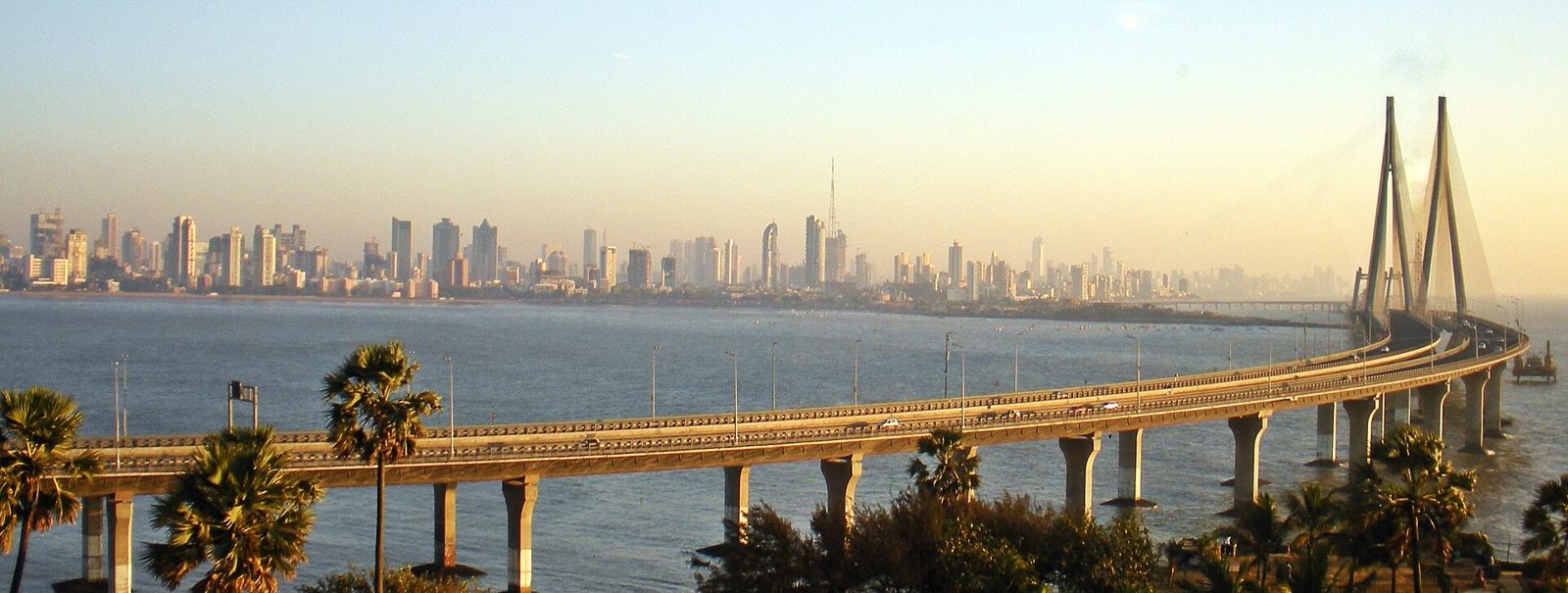
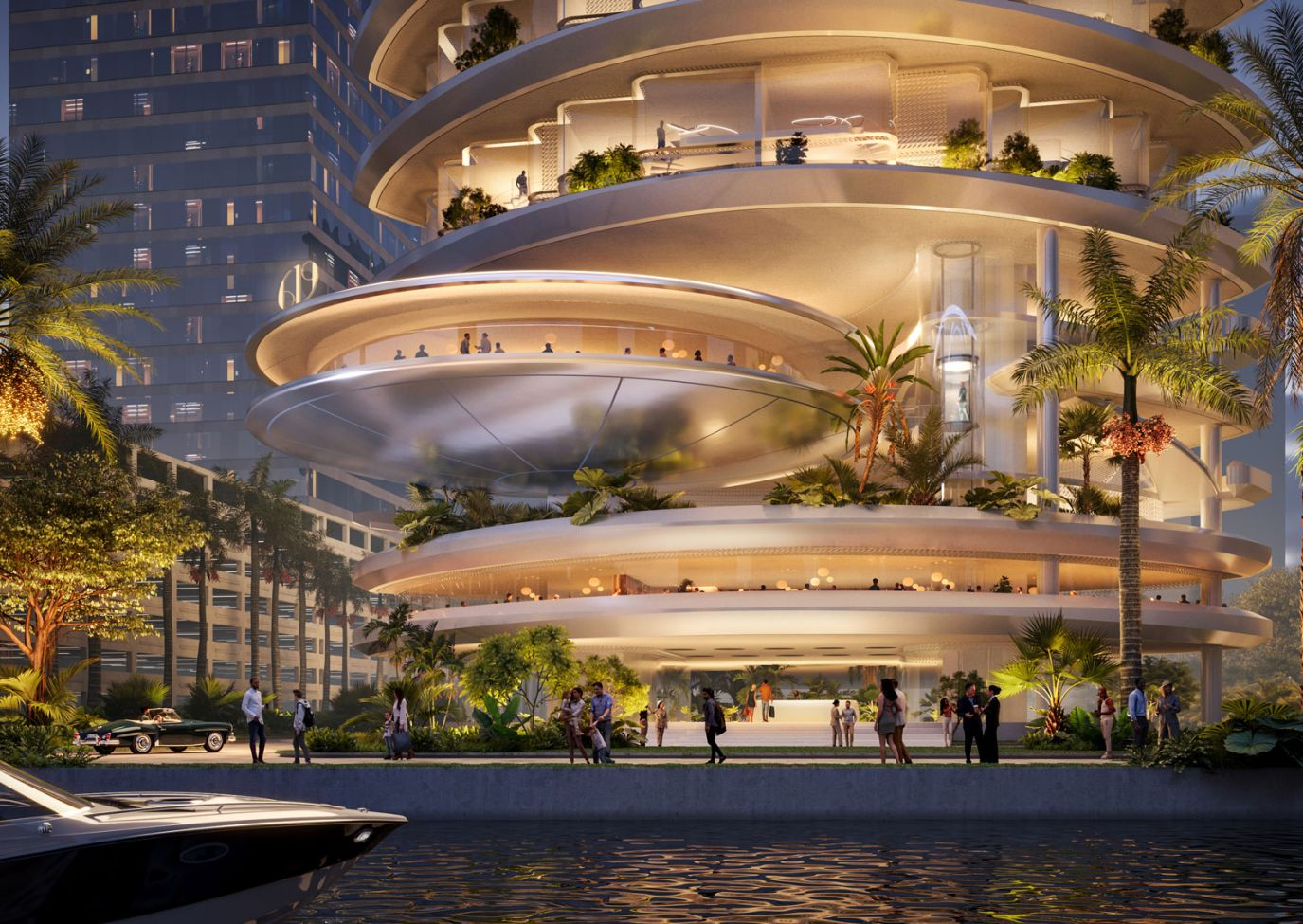
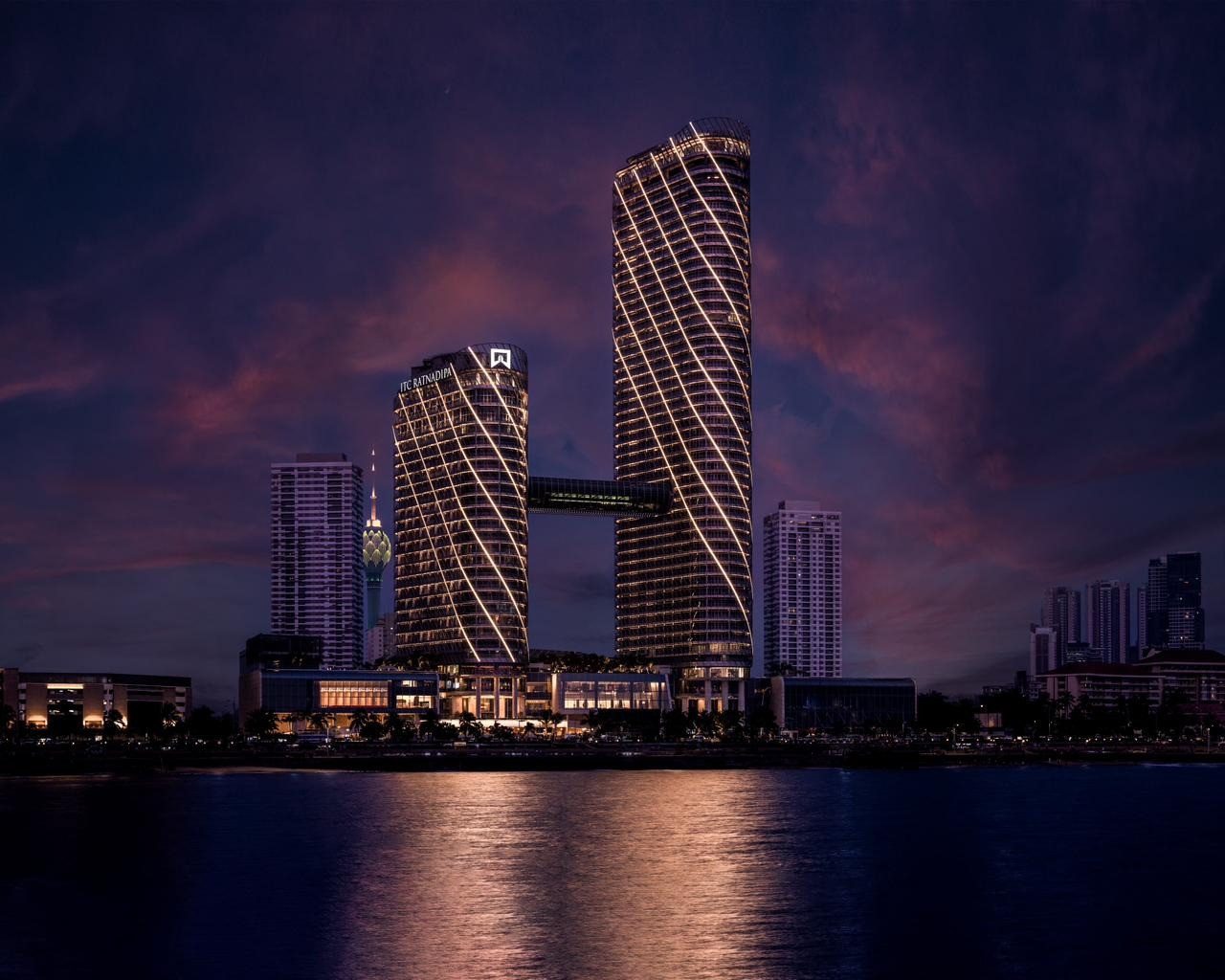
 Photo: YOO Residences Colombo — Brand Atlas
12 September 2026 ·5 min read
Branded Residences in Sri Lanka: Post-Crisis Recovery and the Colombo Tower Test

Sri Lanka is the contrarian entry on any Asian branded residence list, and honest analysis has to lead with the risk. The 2022 sovereign default and currency collapse froze construction, stranded off-plan buyers and destroyed several developers. Recovery has been real but uneven.
What makes the market worth understanding is that the underlying proposition never changed: a compact island with world-class beaches, tea country, wildlife and a hospitality tradition — Amangalla, Amanwella, Cape Weligama, Wild Coast Tented Lodge — that sits comfortably alongside anything in Asia.
Where the market actually is
- Colombo — the tower market. Port City Colombo, the Cinnamon Gardens district and the Galle Face waterfront. Branded and design-branded apartments aimed at returning diaspora, Indian buyers and regional investors.
- Galle and the southern coast — Weligama, Mirissa, Tangalle, Ahangama — the resort-branded heartland. Villa-format product with rental programmes and genuine international buyer awareness.
- Hill country — Kandy, Nuwara Eliya, Ella — boutique wellness and tea-estate product. Small scale, high differentiation.
- East coast — Trincomalee, Pasikudah, Arugam Bay — the genuine frontier. Exceptional beaches, minimal infrastructure, long horizons.
Why the premium is narrower here
Sri Lankan buyers and international buyers approach this market from completely different reference points. A local buyer compares a branded Colombo apartment against a well-built unbranded one at a fraction of the price. An international buyer compares a southern-coast branded villa against Bali, Phuket or Goa — where it looks inexpensive.
The result is a bifurcated premium: modest in Colombo, more meaningful on the coast where the operating and rental proposition does real work. What the brand genuinely delivers here is counterparty credibility in a market that has recently disappointed off-plan buyers. After 2022, a brand's willingness to attach its name is itself a diligence signal.
| Segment | Typical positioning | Indicative premium vs comparable unbranded |
|---|---|---|
| Colombo towers | Design or hotel-branded apartments | 15-25% |
| Port City Colombo | Special-zone branded | 20-30% |
| Southern coast villas | Resort-attached with rental | 20-35% |
| Hill country boutique | Wellness and estate-branded | 20-30% |
| East coast frontier | Early-stage resort | Not yet established |
The regulatory reality: land, leases and Port City
- Foreigners cannot freely own freehold land. The standard route is a 99-year lease, or ownership of apartments above the ground floor in a condominium — the mechanism that makes Colombo's tower market work for international buyers. Structures using local companies exist but attract scrutiny and should be built with care.
- Port City Colombo operates under its own Commission with a separate incentive, licensing and — in defined circumstances — ownership regime. It is effectively a distinct jurisdiction inside the country and needs to be underwritten as one.
- Coastal Conservation Department approvals govern development within the coastal zone, with setback rules that materially affect villa layouts on the southern beaches.
- Currency and repatriation. Investment should enter through an Inward Investment Account so that sale proceeds and income can be repatriated. Post-crisis, buyers scrutinise this more closely than they did.
Which brands are actually transacting
Two groups. Design and lifestyle brands — YOO and comparable studios — dominate Colombo, where they add differentiation at a licence cost the price points support. Resort operators — Aman's long-established presence, Raffles, Shangri-La, Anantara, and boutique platforms such as Cape Weligama's operator — anchor the coast and the hill country.
There is a genuine opportunity in wellness and Ayurveda-led branding that almost nobody has capitalised on properly. Sri Lanka has the oldest continuous Ayurvedic tradition in the region; a credible wellness operator with real programming could build a defensible premium here that a conventional hotel brand cannot.
What sponsors get wrong
- Assuming the crisis is priced into buyer confidence. It is not. Buyers who lost money on stalled projects require escrow, staged payments tied to verified progress and a credible completion guarantee.
- Over-building in Colombo. The tower market absorbed a supply wave before 2022 that it has still not fully digested. New schemes must be genuinely differentiated, not merely branded.
- Underestimating the lease question. International buyers need the 99-year structure, its renewal mechanics and its resale implications explained in plain language in the sales documents.
- Importing hotel cost bases. Labour is inexpensive; imported materials, logistics and power are not. Service-charge modelling built on regional benchmarks tends to be wrong in both directions.
- Ignoring monsoon seasonality. The southwest and northeast monsoons split the island's season. A coastal rental model that ignores this overstates income by a wide margin.
The capital picture
Post-restructuring, domestic development finance is expensive and selective. The realistic capital sources are regional private equity, Indian and Gulf family offices, diaspora capital and specialist frontier-market resort funds. Dollar-denominated structures dominate, and sponsors who cannot demonstrate currency discipline do not raise.
What clears diligence: a secure lease or condominium title structure, escrowed buyer receipts, a licence with clean termination provisions, and an underwriting case that does not depend on a rapid recovery in domestic purchasing power.
Outlook to 2030
Expect the southern coast to lead, with small, high-quality resort-attached schemes outperforming Colombo towers on both premium and absorption. Expect Port City to either establish itself as a genuine regional financial district or remain a long-dated bet — the branded residential case there depends entirely on which. And expect the wellness segment to be the country's most defensible niche, if someone builds it properly.
Sri Lanka rewards patient, well-capitalised sponsors and punishes everyone else. That has always been true. The crisis simply made it unmistakable.
Frequently Asked Questions
Can foreigners buy branded residences in Sri Lanka?
Foreigners cannot generally hold freehold land. The usual routes are a 99-year lease or the purchase of a condominium apartment above the ground floor, which is why Colombo's tower market works for international buyers. Port City Colombo operates under a separate regime.
Is Sri Lanka a good market for branded residences after the 2022 crisis?
It is an early-stage market with strong fundamentals and a mixed execution record. The crisis removed weak sponsors and repriced assets, so entry prices are low by regional standards, but buyers now require escrow, verified construction progress and credible completion guarantees.
Where are the best branded residences in Sri Lanka?
Colombo for branded and design-branded apartments, and the southern coast — Galle, Weligama, Mirissa, Tangalle — for resort-attached villas with rental programmes. The hill country supports small boutique and wellness-led schemes.
What premium do branded residences achieve in Sri Lanka?
Indicatively 15-30%, narrower in Colombo and wider on the southern coast where the operating and rental proposition does real work. Comparable evidence is thin, so underwriting should be conservative.
See also
Market guides by country
- 'The Future of Branded Residences' — Global Tour 2026
- Branded Residence Ownership Structures Explained: The 2026 Guide
- Hotel-Branded vs Design-Branded Residences: The 2026 Comparison
- What Are Branded Residences? 2026 Definition, Models and Market Size
- Trustworthy Branded Residence Brands in 2026: How to Judge Credibility