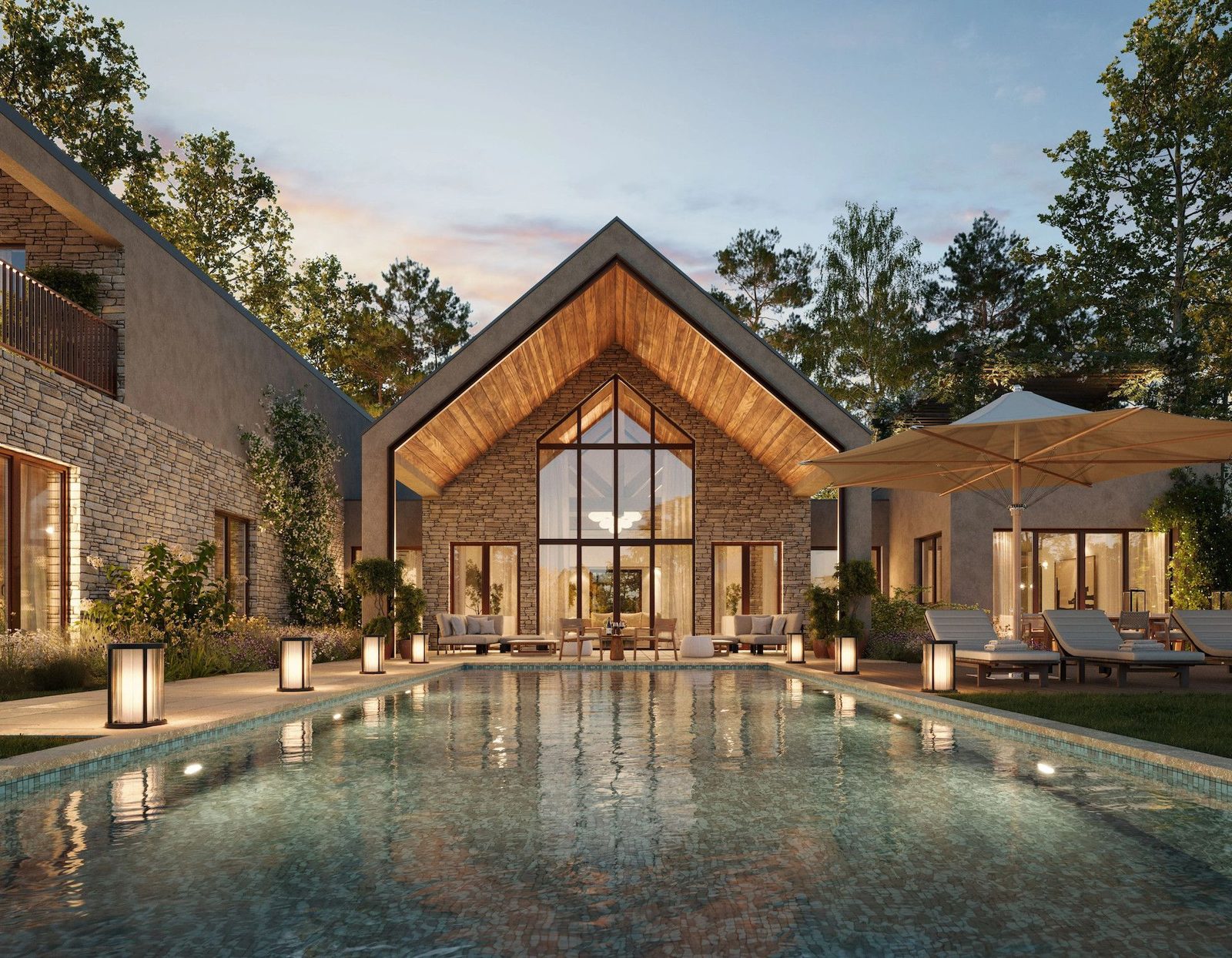
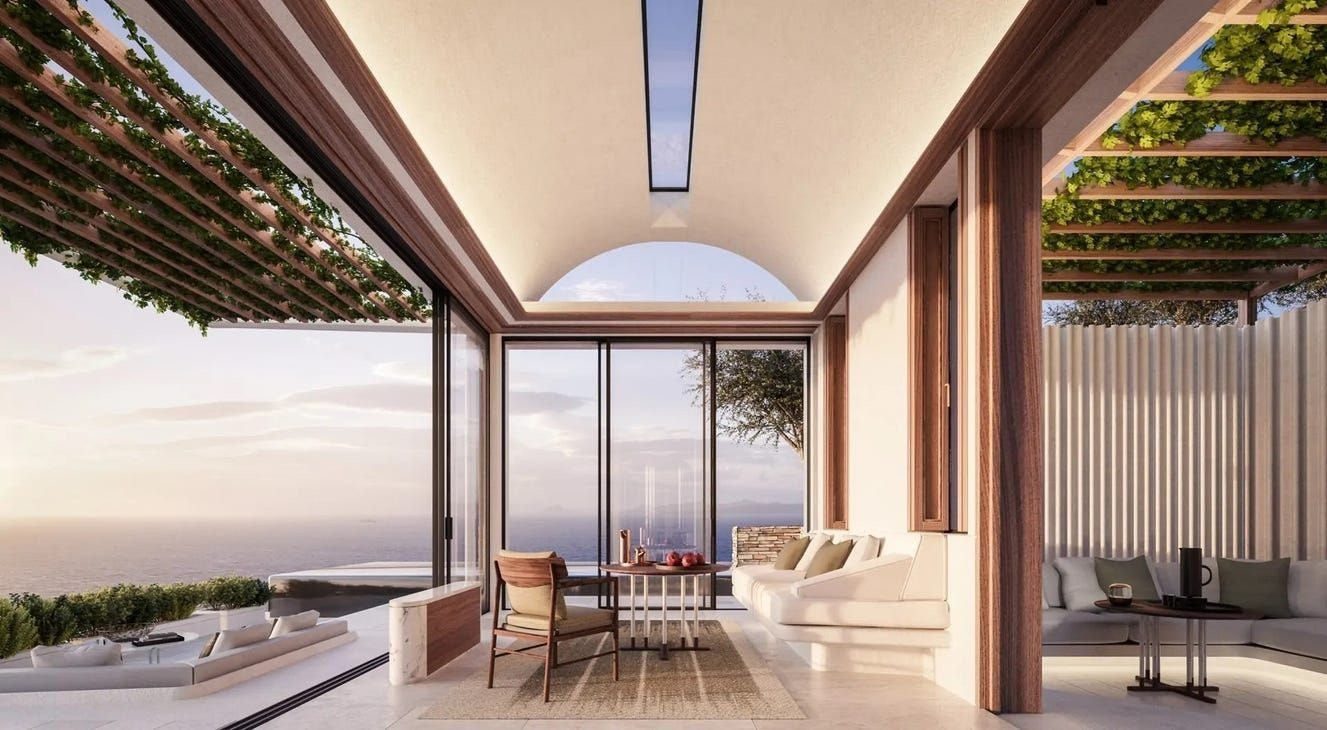
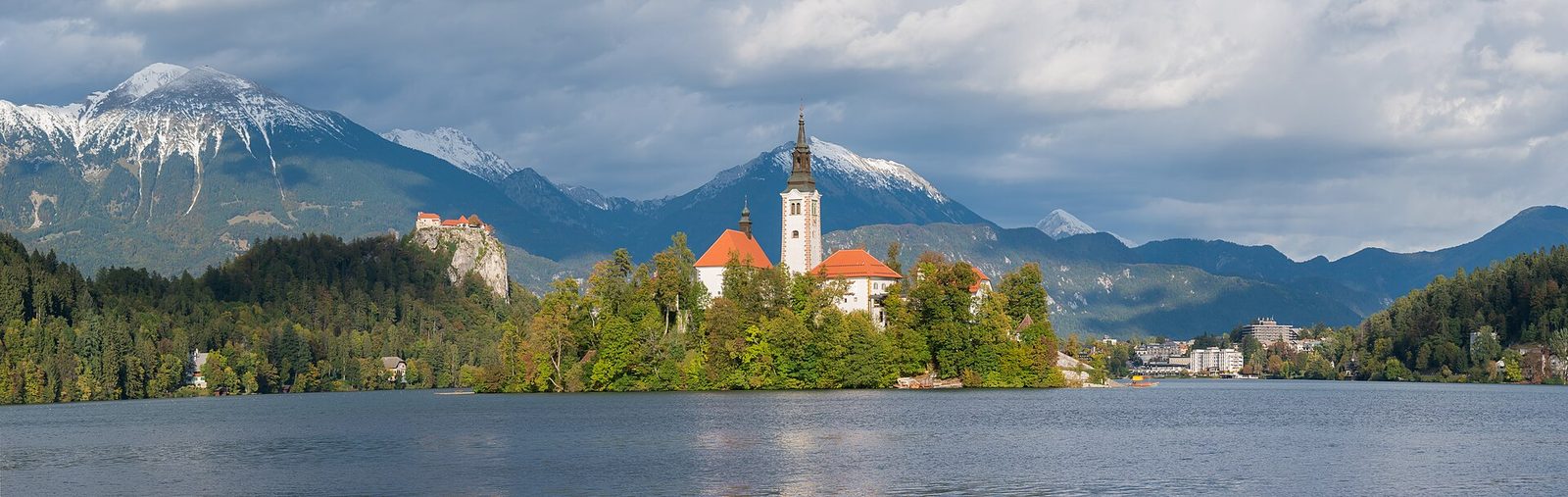
 Photo: Lake Bled and Bled Castle, Julian Alps — Slovenia
14 August 2026 ·4 min read
Branded Residences in Slovenia: Alpine Wellness, Small Scale and Real Constraints

Slovenia is easy to underestimate and easy to overestimate. It is an EU and eurozone member with excellent infrastructure, a two-hour drive from Venice and Vienna's catchment, with Alpine lakes, thermal spas and 46 kilometres of Adriatic coast. It is also a country of about two million people with a modest domestic luxury market and very little precedent for branded residential product.
Where a scheme could realistically sit
- Lake Bled and Bohinj. The strongest candidate. Internationally recognised, wellness-native, year-round demand, and an existing hospitality base — but with tight heritage and environmental protection around the lakes.
- Kranjska Gora and the Julian Alps. Ski and mountain-wellness positioning, with a shorter and less prestigious ski season than the French or Swiss Alps.
- The Karst and thermal belt. Slovenia's spa tradition is genuine and old; a wellness brand has a real story here rather than a manufactured one.
- Portorož and the coast. The coastline is very short and largely built; a branded scheme would be a conversion or a repositioning, not a new resort.
- Ljubljana. A capital city market that is prime by Slovenian standards but small by international ones. City branded product is likely to be a hotel-attached handful of apartments rather than a standalone scheme.
The demand question, answered honestly
A Slovenian branded scheme cannot be underwritten on domestic demand alone. The realistic buyer pool is Northern Italian, Austrian, German, Swiss and regional Balkan buyers, plus a smaller international wellness-driven segment. That pool is real but narrow, which drives three design conclusions:
- 01Keep the scheme small. Twenty to sixty units, phased. Absorption, not price, is the binding constraint.
- 02Make the rental programme central. Buyers in this catchment expect yield support; a scheme without a credible managed rental offer will sell slowly.
- 03Lead with wellness, not luxury signalling. Slovenia's competitive advantage is nature, thermal water and quiet — not the conspicuous consumption that sells a Dubai or Marbella tower.
| Factor | Slovenia's position |
|---|---|
| Market size | Small; international-buyer dependent |
| Regulatory clarity | Good — EU, eurozone, stable land registry |
| Land availability | Constrained by environmental and heritage protection |
| Operator appetite | Limited to wellness, boutique and soft-brand platforms |
| Realistic scheme size | 20-60 units, phased |
Which brands would actually sign
Global hard brands generally require scale, fee volume and a defined pipeline before they will commit resources to a new country. For a first Slovenian scheme, the realistic partners are wellness and lifestyle operators, European boutique groups and soft-brand collections that can attach a residential component to a modest resort without needing 200 units to justify the platform. Approaching a top-tier global operator with a 30-unit lakeside scheme, no existing hotel and no country presence is a conversation that ends quickly.
Legal and tax basics
EU nationals may acquire Slovenian real estate freely; non-EU buyers are subject to reciprocity rules or acquire through a Slovenian company. The land registry is reliable and transactions are orderly. Real estate transfer tax, VAT on new-build sales and the treatment of rental income all depend on the structure, and environmental protection designations around the lakes and national park areas can restrict development far more than the zoning alone suggests. Verify all of this with Slovenian counsel before land is committed.
Pitfalls
- Over-sizing the scheme relative to a narrow buyer pool.
- Assuming Austrian or Italian Alpine pricing without the equivalent ski infrastructure or brand recognition.
- Underestimating environmental designations around Bled, Bohinj and Triglav National Park.
- Pursuing a hard brand that will not resource a single small scheme in a new market.
Outlook
Slovenia is a niche market and should be underwritten as one. A small, wellness-anchored, well-operated scheme at Bled or in the thermal belt is a credible proposition with genuine scarcity value. Anything larger is a demand problem dressed up as a branding opportunity.
Frequently Asked Questions
Are there branded residences in Slovenia?
Very few. Slovenia has excellent hospitality assets around Lake Bled, the Julian Alps and its thermal spa belt, but almost no dedicated branded residential stock, largely because the market is small and land around the most attractive locations is tightly protected.
What kind of branded scheme could work in Slovenia?
A small, phased, wellness-anchored scheme of roughly 20-60 units attached to a genuine resort operation, with a credible managed rental programme. Slovenia's advantage is nature, thermal water and quiet rather than conspicuous luxury signalling.
Which brands would consider Slovenia?
Realistically wellness and lifestyle operators, European boutique groups and soft-brand collections. Top-tier global hard brands generally require scale and a country pipeline before committing to a new market, which a single small scheme rarely provides.
Can foreigners buy property in Slovenia?
EU nationals may acquire Slovenian real estate freely. Non-EU buyers are subject to reciprocity rules or acquire through a Slovenian company. The land registry is reliable, but environmental designations around the lakes and national park areas can restrict development beyond what zoning suggests.
See also
Market guides by country
- 'The Future of Branded Residences' — Global Tour 2026
- Types of Branded Residences in 2026: Categories, Formats and Ownership Models
- What Are Branded Residences? The Definitive 2026 Guide
- Branded Residence Ownership Structures Explained: The 2026 Guide
- Hotel-Branded vs Design-Branded Residences: The 2026 Comparison