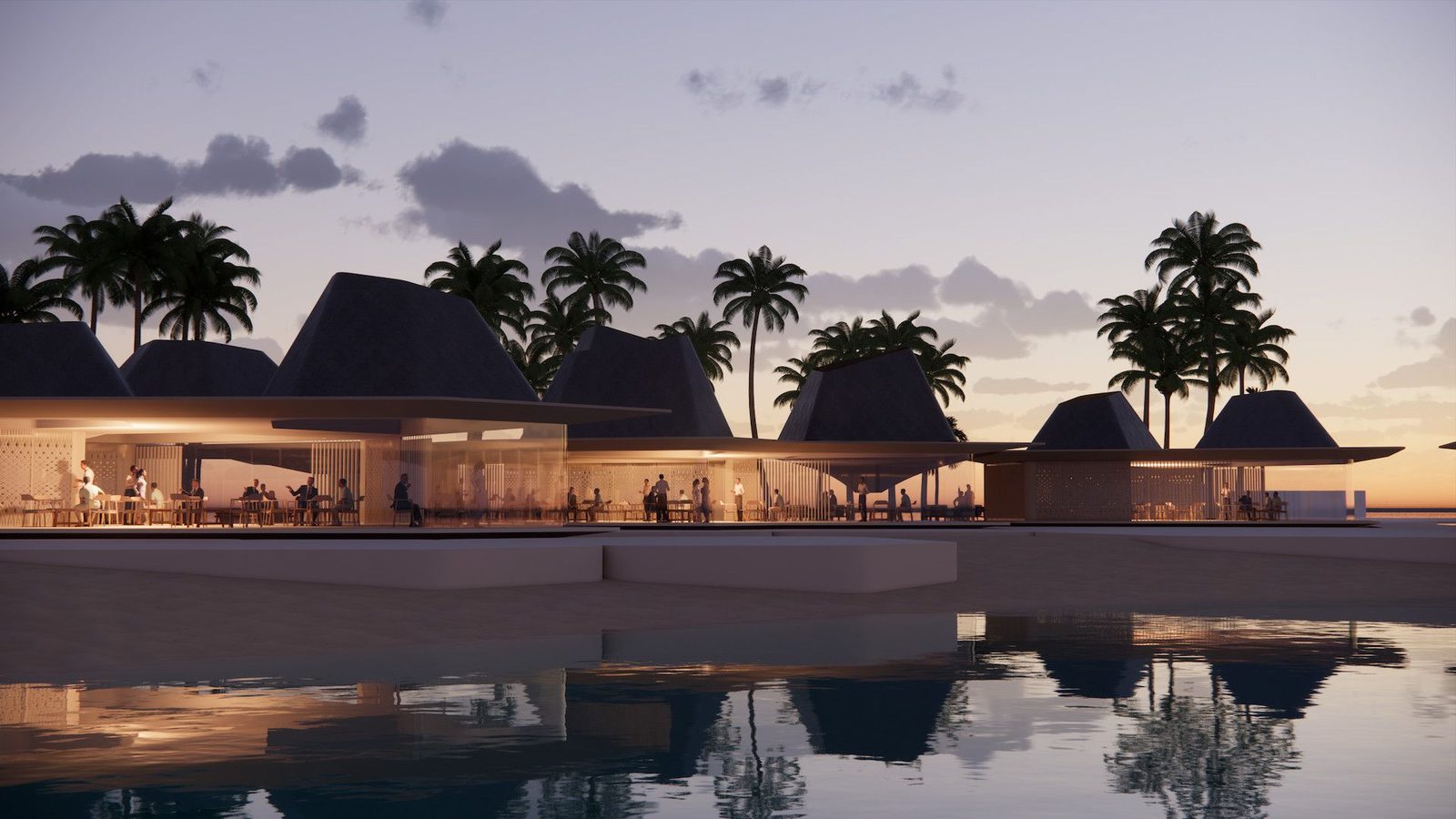
 Photo: Baccarat Maldives — Brand Atlas
17 August 2026 ·4 min read
Branded Residences in the Maldives: The Purest Resort-Residential Market

In most markets, a branded residence is a home that happens to carry a brand. In the Maldives it is closer to a share in a resort operating business, wrapped in a long lease over a specific villa. Understanding that distinction is the difference between an informed purchase and a disappointed one.
The structural facts
- Land is leased, not owned. Maldivian resort islands operate under long-term government leases; residential interests sit within that leasehold, and the residence interest cannot outlive the underlying island lease.
- There is no independent residential market. A villa on a resort island has no value separate from the resort operating around it.
- Service and access are resort-provided. Seaplane or speedboat transfer, power, water, waste and staffing all run through the resort.
- Operating cost is exceptional. Everything is imported; the cost base per key is among the highest in global hospitality.
Why it still works
Despite those constraints, the Maldives has produced genuinely successful branded residential product, for a specific reason: the resorts are extraordinary and the brands operating them are the strongest in the world. A buyer purchasing a villa at a top-tier Maldivian resort is buying guaranteed access to an asset they would otherwise compete for at peak season, plus participation in the rental income when they are not there.
| Element | What the buyer gets | What to interrogate |
|---|---|---|
| Villa interest | Registered long lease over a specific villa | Remaining lease term; expiry treatment |
| Owner usage | Defined nights per year | Blackout periods around peak season |
| Rental participation | Share of villa revenue when let | Gross or net split; deduction stack |
| Resort access | Full resort facilities | Whether owner rates apply to F&B and spa |
| Management | Brand-operated, no owner burden | Term of the management agreement |
For developers and resort owners
Selling residences on an operating resort island is an effective way to release capital from a mature asset without a full sale, and it is increasingly used for exactly that. The structuring discipline is significant:
- 01Confirm that the underlying island lease permits residential sub-interests and for how long.
- 02Agree the operator's position early — the brand's consent, the management agreement term and its interaction with the residence interests.
- 03Ring-fence the shared cost allocation between hotel keys and residence villas transparently, or the dispute is inevitable.
- 04Set the FF&E reserve realistically for an asset in a marine environment with a punishing replacement cycle.
- 05Model the rental programme conservatively, and never market a projection you cannot evidence.
Environmental exposure
Sea-level and climate exposure is a legitimate and increasingly priced consideration for a long-dated Maldivian asset. Sophisticated buyers now ask about coastal protection, insurance availability and the resort's resilience capex programme. Sponsors who address this proactively in the sales process build far more credibility than those who avoid it.
Pitfalls
- Buying a residence whose lease term is shorter than the investment horizon.
- Relying on marketed rental yields without interrogating the deduction stack.
- Assuming resale liquidity exists — the secondary market is thin and buyer-specific.
- Overlooking blackout periods that exclude the owner from peak season.
- Ignoring the resilience and insurance question on a thirty-year-plus horizon.
Outlook
Maldivian branded residential will continue to grow as resort owners use it to release capital and as ultra-high-net-worth buyers seek guaranteed access to scarce top-tier product. It is a legitimate asset class for the right buyer with the right advice — and one of the easiest markets in which to buy something you did not understand.
Frequently Asked Questions
Can you own property freehold in the Maldives?
Not as a foreign buyer in the conventional sense. Maldivian resort islands operate under long-term government leases, and residential interests sit within that leasehold structure. A residence interest cannot outlive the underlying island lease, which makes remaining lease term the central diligence question.
Are Maldives branded residences a good investment?
They can be for a buyer who wants guaranteed access to a scarce top-tier resort and accepts a leasehold, rental-programme structure. They are a poor fit for anyone expecting freehold-style capital appreciation or ready resale liquidity, because there is no residential market independent of the resort and the secondary market is thin.
What should I check before buying a Maldives residence?
Remaining term on the underlying island lease and what happens at expiry, owner usage nights and any peak-season blackout, whether the rental split is on gross or net revenue and what is deducted, the term of the operator's management agreement, and the resort's coastal resilience and insurance position.
Why do resort owners sell residences in the Maldives?
It releases capital from a mature operating asset without a full sale. Done well it requires confirming the island lease permits residential sub-interests, agreeing the operator's consent and management term early, transparently ring-fencing shared costs between hotel keys and residence villas, and setting a realistic FF&E reserve for a marine environment.
See also
Market guides by country
- 'The Future of Branded Residences' — Global Tour 2026
- What Are Branded Residences? The Definitive 2026 Guide
- Hotel-Branded vs Design-Branded Residences: The 2026 Comparison
- What Are Branded Residences? 2026 Definition, Models and Market Size
- Trustworthy Branded Residence Brands in 2026: How to Judge Credibility