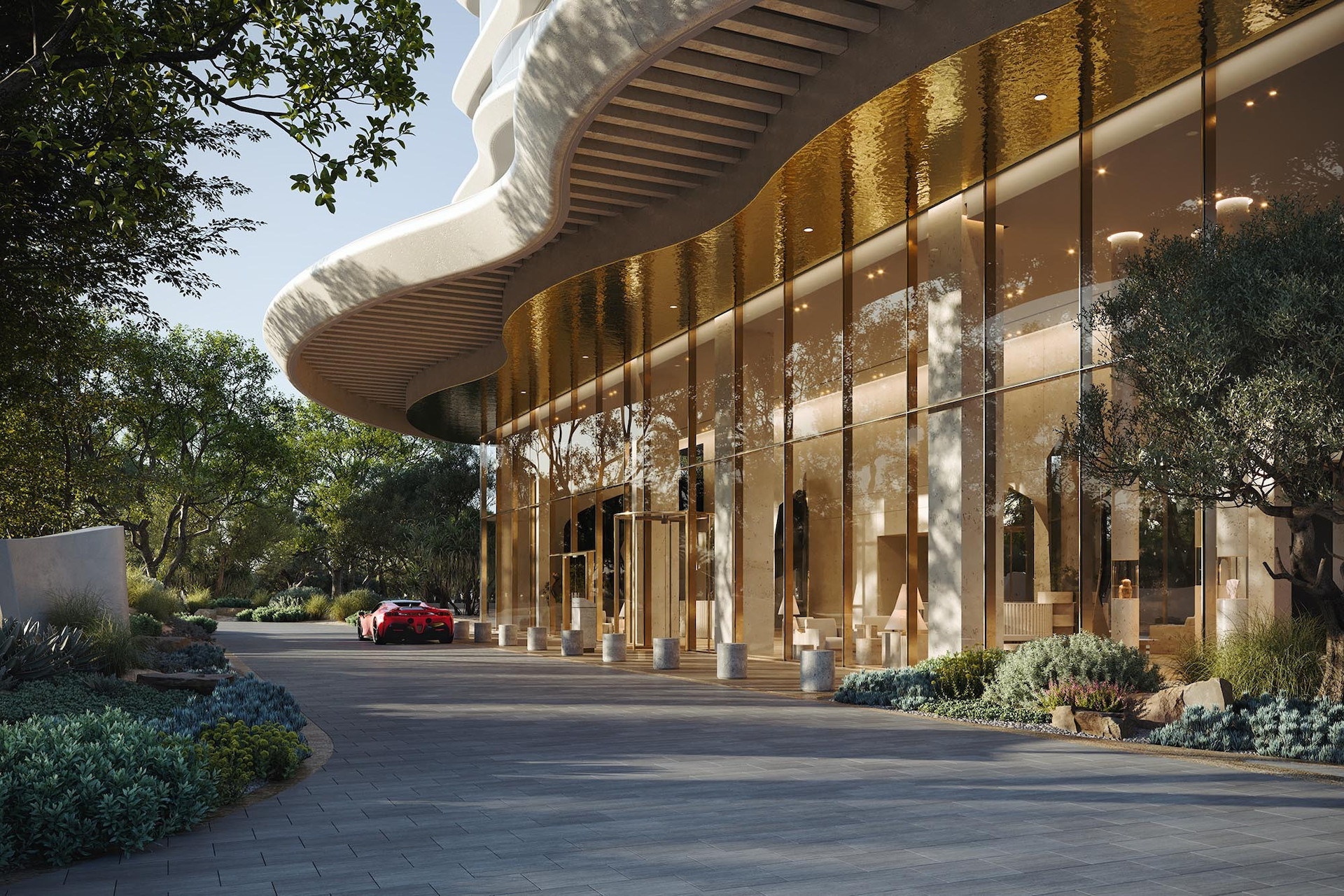
 Photo: The Standard Phuket — Brand Atlas
18 August 2026 ·3 min read
Branded Residences in Thailand: Phuket, Bangkok and the Leasehold Question

Phuket has quietly become one of the highest-volume branded residence markets in the world. The combination of established international tourism, a mature hotel operating base, competitive construction costs and a rental-programme culture produced a product that works: a serviced villa or apartment that generates income when the owner is away and is professionally maintained year-round.
The ownership structure question
This is the single most important thing to understand about the Thai market, and it is where uninformed buyers and sponsors get into trouble.
| Structure | How it works | Considerations |
|---|---|---|
| Foreign condominium quota | Freehold condo units within the permitted foreign ownership proportion of a registered condominium building | Cleanest structure; limited by the statutory quota per building |
| Registered long lease | Long leasehold interest in land or villa, registered at the land office | Widely used for villas; renewal terms and enforceability need careful legal review |
| Thai company ownership | Land held through a Thai-majority company | Heavily scrutinised; requires genuine substance and specialist advice |
For a developer, the practical consequence is that the ownership structure must be resolved before the brand conversation, not after. An operator will ask how units are sold to foreign buyers in the first meeting, and a scheme without a clean answer will not progress.
Phuket: what makes it work
- 01Genuine year-round tourism with distinct high season and a viable shoulder, supporting real rental programme yields.
- 02A mature operating base — major hotel groups have run Phuket properties for decades and have local platforms rather than parachuted teams.
- 03Competitive construction cost, which supports development margin at accessible price points.
- 04A rental-programme culture buyers understand, with established norms on revenue splits and owner usage.
- 05Diverse demand across Chinese, Russian, European, Australian and increasingly Indian and Middle Eastern buyers.
The risk in Phuket is the mirror image of its strength: volume. Certain west-coast corridors carry very substantial competing supply, and a scheme without a distinctive position competes on rental yield projection alone — which is the least defensible basis for a premium.
Bangkok
Bangkok is a different proposition entirely: urban, condominium-led, and driven by domestic affluent buyers alongside regional investors. Branded product in the Sukhumvit, Sathorn and riverside corridors targets a buyer seeking managed convenience and address prestige. The foreign condominium quota is the operative structure here, and premium schemes routinely exhaust the foreign allocation.
Rental programmes: read the terms
Thai resort branded schemes live or die on the rental programme. The critical terms to interrogate are the revenue split basis (gross versus net, and what is deducted before the split), owner usage entitlement and blackout periods, whether participation is mandatory, who controls distribution channels, and how FF&E replacement is funded. Marketing yield projections mean very little without those mechanics.
Pitfalls
- Leaving the ownership structure unresolved before approaching operators.
- Underwriting on projected rental yield rather than on achievable capital value.
- Choosing a west-coast site with heavy competing supply and no distinctive position.
- Accepting a rental programme with a net revenue split without understanding the deduction stack.
- Assuming a lease renewal will be honoured without specialist legal review of the registered terms.
Outlook
Thailand will remain a top-tier global branded residence market by volume. The winners will be schemes with a clean ownership structure, a genuinely differentiated position away from the most saturated corridors, and a rental programme whose terms survive scrutiny. That last point increasingly separates institutional-quality product from the rest.
Frequently Asked Questions
Can foreigners own branded residences in Thailand?
Foreign freehold land ownership is restricted under Thai law. Foreign buyers generally acquire either freehold condominium units within a building's permitted foreign ownership quota, or a registered long lease over land or a villa. Thai company structures are used but are heavily scrutinised. Take current specialist Thai legal advice on the specific structure.
Why is Phuket such a large branded residence market?
Genuine year-round international tourism, a mature hotel operating base with long-established local platforms, competitive construction costs, an established rental-programme culture that buyers understand, and diverse demand across Chinese, Russian, European, Australian, Indian and Middle Eastern buyers.
What should I check in a Thai rental programme?
The revenue split basis and exactly what is deducted before the split, owner usage entitlement and blackout periods, whether participation is mandatory, who controls the distribution channels, and how FF&E replacement is funded. Marketing yield projections are close to meaningless without those mechanics.
Is Bangkok different from Phuket for branded residences?
Substantially. Bangkok is urban and condominium-led, driven by domestic affluent buyers and regional investors seeking managed convenience and address prestige in the Sukhumvit, Sathorn and riverside corridors. The foreign condominium quota is the operative ownership structure, and premium schemes routinely exhaust their foreign allocation.
See also
Market guides by country
- 'The Future of Branded Residences' — Global Tour 2026
- What Are Branded Residences? The Definitive 2026 Guide
- Hotel-Branded vs Design-Branded Residences: The 2026 Comparison
- What Are Branded Residences? 2026 Definition, Models and Market Size
- Trustworthy Branded Residence Brands in 2026: How to Judge Credibility