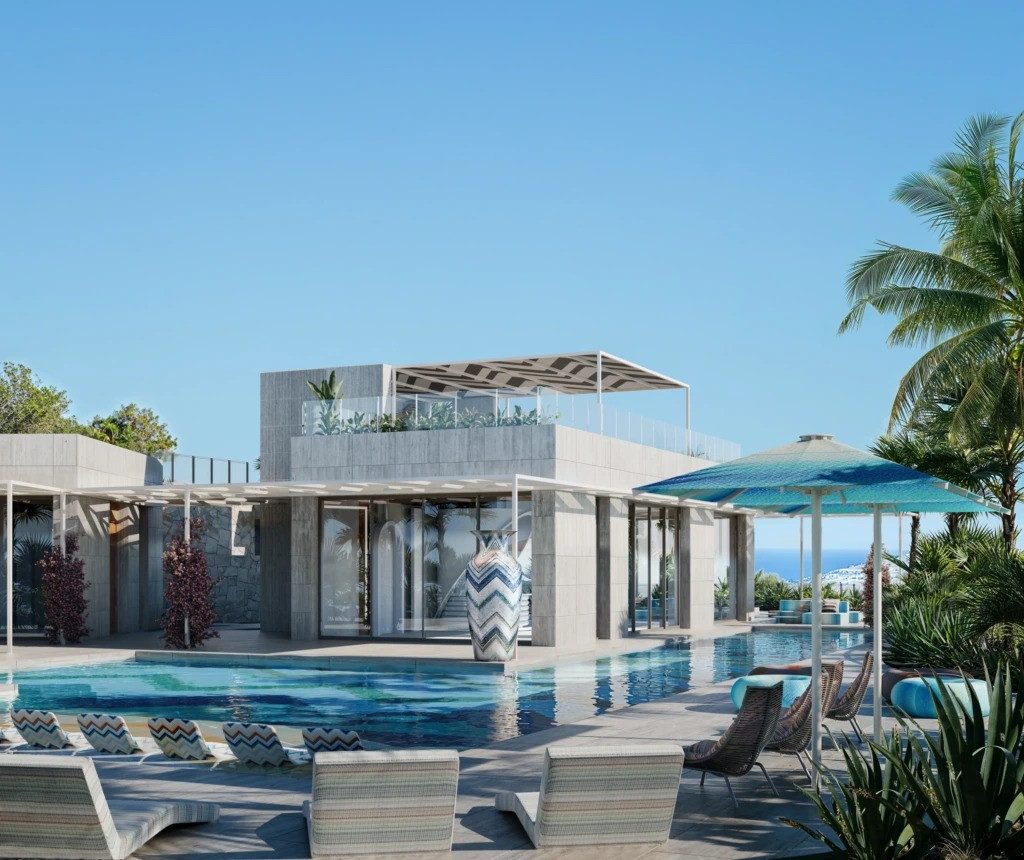
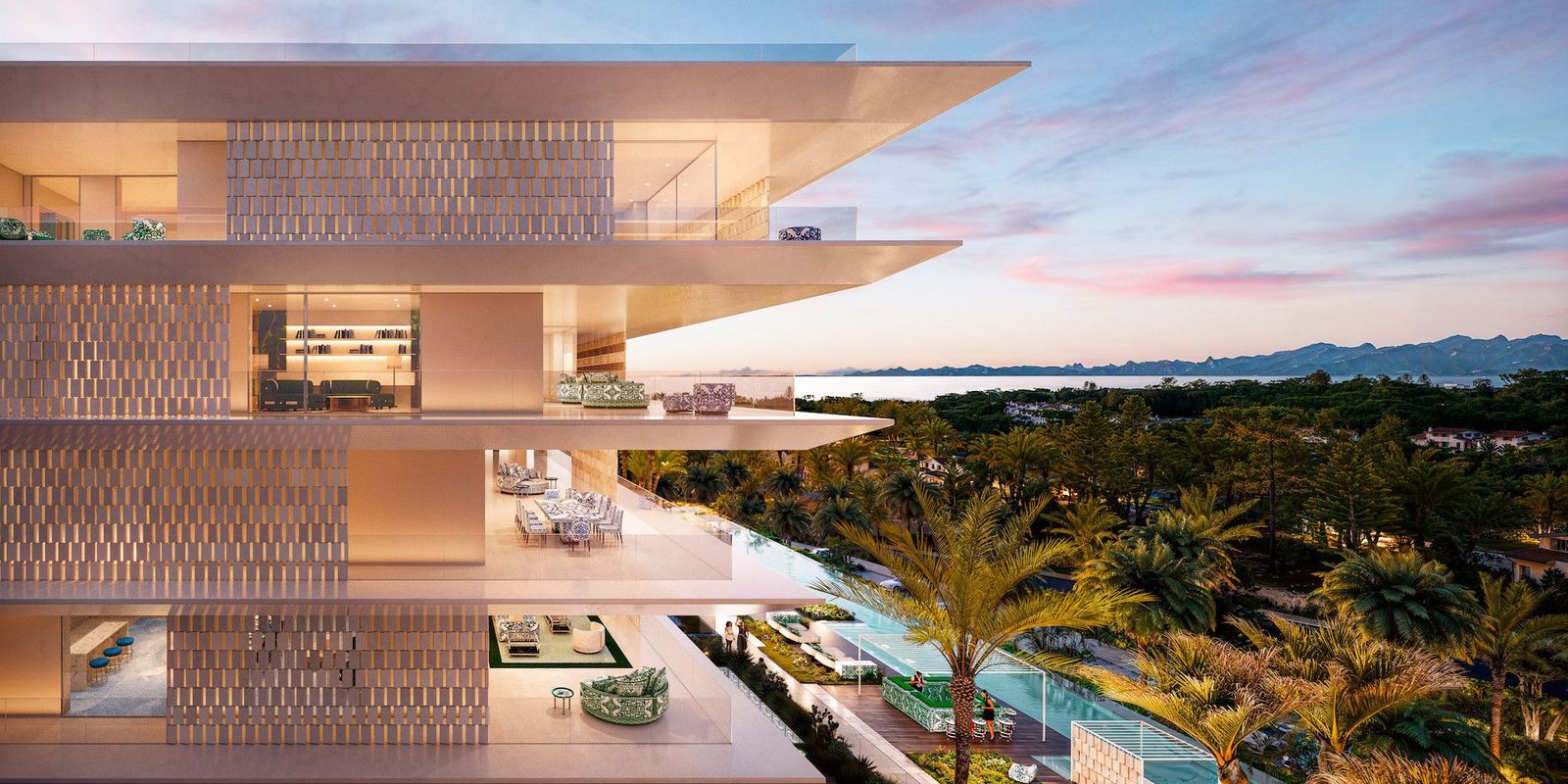
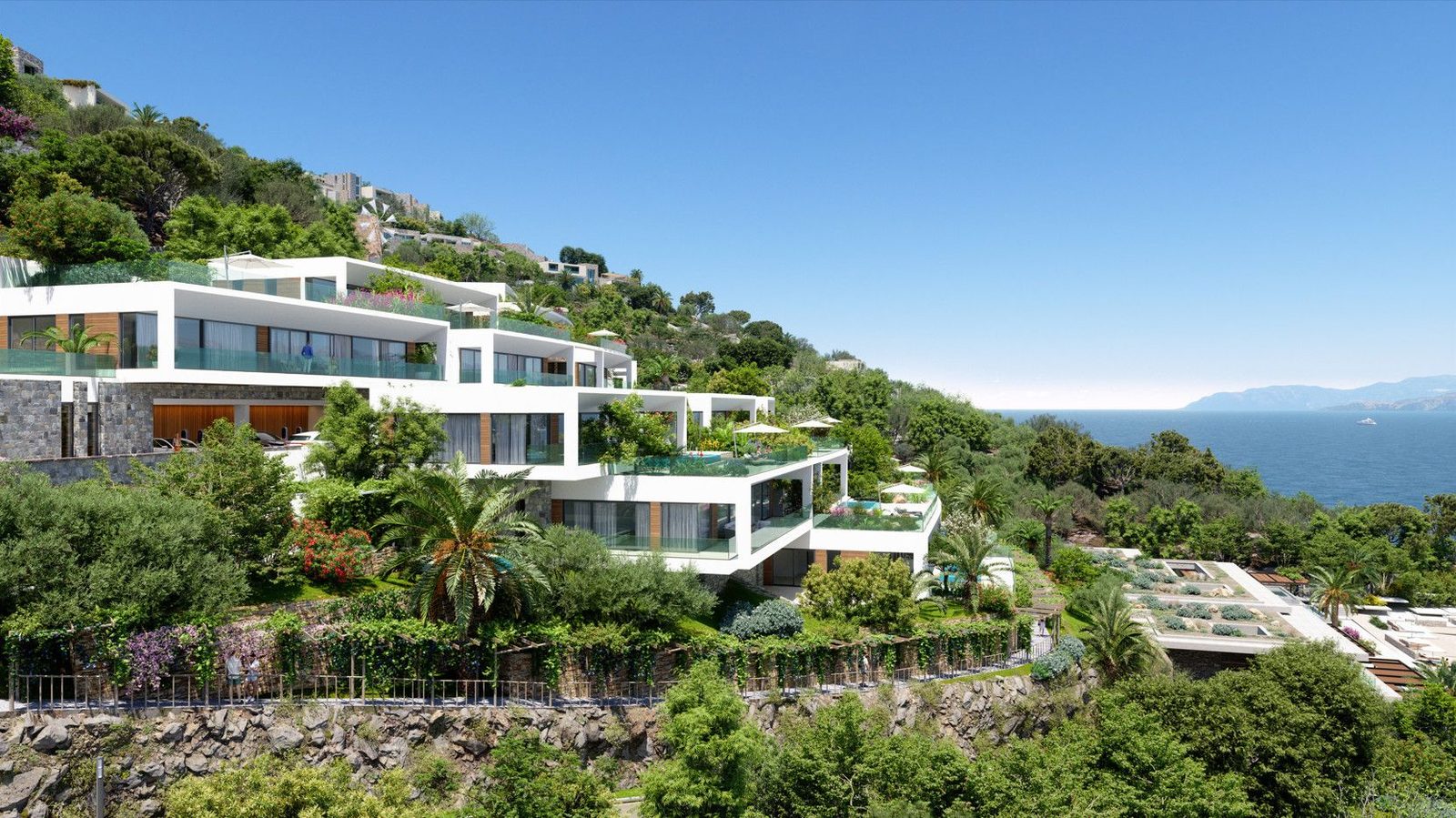
 Photo: 1 Hotel Elounda, Crete — Brand Atlas
16 August 2026 ·3 min read
Branded Residences in Greece: Athens, the Riviera and the Islands

For most of the last decade Greece was analysed as a distressed market. That framing is now out of date. Athens has a functioning prime residential market with international buyers, the Riviera regeneration is delivering at genuine scale, and the islands have progressed from villa rentals to institutionally structured resort-residential product.
The Athens Riviera
The coastal strip running south from Athens through Glyfada, Vouliagmeni and Voula, anchored by the large-scale regeneration of the former Hellinikon airport site, is the most significant branded residential opportunity in the eastern Mediterranean. It combines a metropolitan location, coastline, a new masterplanned district and international marketing reach — the conditions branded product requires.
- Metropolitan plus coastal is a rare combination and supports year-round rather than seasonal demand.
- Masterplan scale allows genuine amenity and service infrastructure to be viable.
- International visibility has already attracted major hospitality operators to the corridor.
- Domestic prime demand exists, which underpins pricing independently of foreign buyers.
The islands
| Island | Character | Branded fit |
|---|---|---|
| Mykonos | High-intensity summer luxury, established | Boutique villa-led, strong brand recognition |
| Santorini | Iconic, severely supply-constrained | Ultra-boutique only; planning highly restrictive |
| Crete | Scale, longer season, infrastructure | Resort-residential at meaningful scale |
| Corfu / Ionian | Northern European, quieter luxury | Estate and villa product |
Crete is the most under-appreciated of these. It has the land, the airport capacity, a longer usable season than the Cyclades and existing resort infrastructure — the combination that allows a branded scheme to reach a scale where the service model actually works. Mykonos and Santorini are brand-rich but constrained to boutique volumes.
Seasonality and the service model
Greek island seasonality is more extreme than Spain's or Portugal's. A Cycladic scheme may have a genuinely viable season of four to five months, and the branded service model must survive the other seven.
- 01Agree a tiered seasonal staffing model with the operator before signing, not after the first winter.
- 02Structure the service charge to reflect seasonal operation, and disclose it transparently at sale.
- 03Build the rental programme around the peak and be honest that shoulder-season yield is limited.
- 04Design amenities that can be mothballed without degrading the asset or breaching brand standards.
Residency and tax
What premium is achievable
Athens Riviera branded schemes typically target a 20-35% premium over comparable unbranded prime stock, with island boutique product able to exceed that where scarcity is genuine. Greece remains a lower absolute price market than Spain's top tier, which means development cost discipline matters more to the margin than premium maximisation.
Pitfalls
- Acquiring land before completing archaeological and coastal zone investigations.
- Applying a Spanish or Portuguese seasonality assumption to a Cycladic island.
- Pursuing scale on Santorini or Mykonos, where planning will not permit it.
- Building the sales case on Golden Visa thresholds that have already been revised once.
Outlook
Greece is the Mediterranean's most interesting emerging branded market. The Athens Riviera has the scale and the year-round demand to support serious hospitality-branded product, and Crete offers the island opportunity with genuine operational viability. Sponsors who front-load the planning and archaeological work and design honestly around seasonality have a real runway here.
Frequently Asked Questions
Where are branded residences being built in Greece?
Principally along the Athens Riviera — Glyfada, Vouliagmeni and Voula, anchored by the large-scale Hellinikon regeneration — and across the islands, with Mykonos and Santorini limited to boutique volumes, Crete supporting resort-residential at meaningful scale, and Corfu and the Ionian offering estate and villa product.
Is Crete a better branded residence market than Mykonos?
For scale, generally yes. Crete has developable land, airport capacity, a longer usable season than the Cyclades and existing resort infrastructure, which allows a scheme to reach the size where a branded service model is operationally viable. Mykonos has stronger brand recognition but planning restricts volume.
What are the main development risks in Greece?
Archaeological review, coastal zone (aigialos) constraints and forestry designation checks can each add substantial time or stop a scheme entirely, so they should be completed before land acquisition. Extreme island seasonality is the second major risk, because the branded service model must survive a season that may run only four to five months.
Does buying property in Greece grant residency?
Greece operates a Golden Visa route linked to qualifying property investment, but thresholds have been revised and now vary by region and property type. Confirm the current requirements with Greek counsel before building any sales strategy around the programme.
See also
Market guides by country
- 'The Future of Branded Residences' — Global Tour 2026
- What Are Branded Residences? The Definitive 2026 Guide
- Branded Residence Ownership Structures Explained: The 2026 Guide
- Hotel-Branded vs Design-Branded Residences: The 2026 Comparison
- What Are Branded Residences? 2026 Definition, Models and Market Size