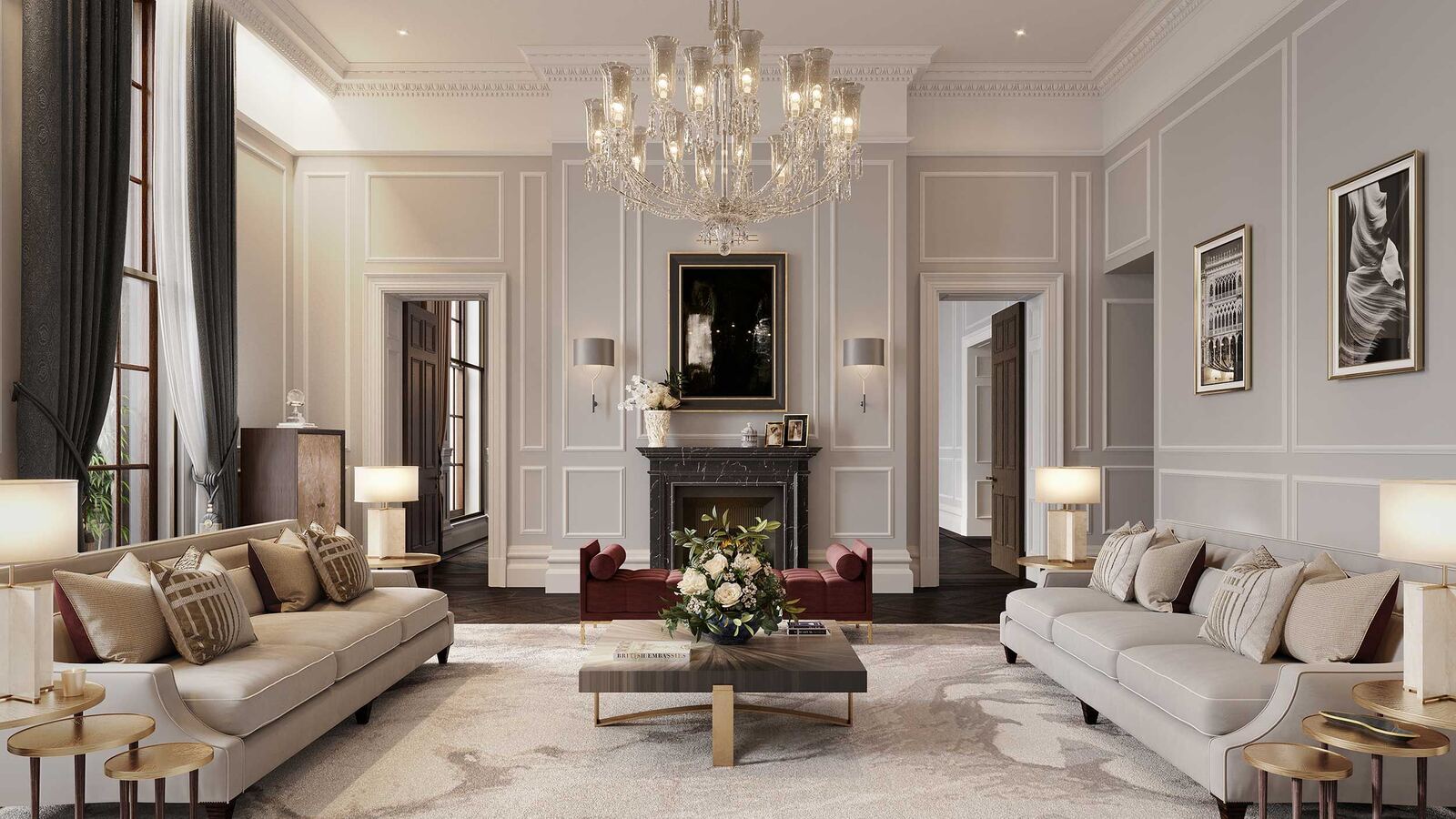
 Photo: Six Senses Residences Dubai Marina. Brand Atlas
3 September 2026 ·4 min read
Rental Pool vs Private Letting: The Numbers for Branded Residence Owners

Owners of branded residences are usually presented with the operator's programme as the obvious choice, and with private letting as vaguely disreputable. Neither framing survives a spreadsheet. Here is the actual comparison.
How the operator's programme works
The owner places the unit in a pool for defined periods. The operator markets it through the brand's reservation system and loyalty base, prices it against the hotel's own inventory, services it to hotel standard, and remits the owner's share. Two models exist:
- Individual accounting — the owner receives revenue from their own unit's bookings, less the operator's share and costs. Rotation rules govern which unit gets booked first.
- Pooled accounting — all participating units share revenue proportionally, usually by area or by an agreed unit index. Smoother income; less upside for the best units.
The comparison, on realistic assumptions
| Line | Operator programme | Private letting |
|---|---|---|
| Achieved nightly rate | Benchmark (brand pricing power) | 10–25% below benchmark |
| Occupancy on lettable nights | 55–75% | 35–55% |
| Operator / agent share of gross | 30–50% | 15–25% (agent and channel) |
| Cleaning, linen, consumables | Deducted, at operator cost | Owner-arranged, often cheaper |
| Owner time required | None | Material |
| Use of brand name in listings | Yes | No |
| Access to brand loyalty demand | Yes | No |
Run those through a simple model and the pattern is consistent: in resort and remote locations the operator's programme usually wins outright, because the brand's distribution is the only reliable source of occupancy. In deep urban markets with independent demand, private letting can match or beat it on net income — if the owner is willing to manage it and the building permits it.
The costs owners forget
- 01Furniture, fixtures and equipment reserve. Programme units must be maintained to brand specification, with a mandatory FF&E contribution — often 3–5% of rental revenue — and periodic refurbishment on the operator's cycle, not the owner's.
- 02Owner-use nights are not free. Most programmes charge a housekeeping and turnover fee for owner stays, and blackout periods may apply in peak season.
- 03Utilities and consumables are frequently allocated to the owner even during let periods.
- 04Programme marketing levy on top of the revenue share, in some agreements.
- 05Tax treatment differs. Pooled income can be characterised differently from direct letting income in several jurisdictions, with consequences for withholding and deductibility.
The rules that may decide it for you
Before modelling anything, check three documents: the association by-laws, the residential services agreement and local short-let regulation. Common restrictions include a minimum let period, an absolute prohibition on marketing the unit using the brand's name, a requirement that any letting agent be approved, and in some cities a licensing regime for short stays. Breaching them can trigger association penalties and, in serious cases, a brand default.
When each option makes sense
Choose the operator's programme if: the location is leisure-dependent, you visit fewer than eight weeks a year, you want no operational involvement, or the building's rules effectively require it.
Choose private letting if: the market has strong independent corporate or long-stay demand, you can secure a competent local manager, the by-laws permit it, and you are letting on longer tenancies where the brand's distribution adds little.
Choose neither if: you intend to use the property most of the year. The FF&E obligations and turnover wear of a rental programme are a real cost, and an unlet branded home is a perfectly rational purchase.
The honest conclusion
Rental programmes in branded schemes are a distribution and service product, not an investment product. They are worth their share where the brand genuinely supplies demand, and poor value where it does not. Ask the operator for two years of actual per-unit revenue and occupancy data for the scheme, not a projection. If that data does not exist because the scheme is new, underwrite the purchase on the assumption of zero rental income and treat anything above it as upside.
Frequently Asked Questions
How much does the operator take from a branded residence rental pool?
Typically 30–50% of gross rental revenue, plus deductions for cleaning, linen, consumables and often an FF&E reserve contribution of 3–5% of revenue. Net to the owner is commonly 35–50% of gross booking value.
Is joining the rental programme compulsory?
In most well-structured branded residences it is optional. Some hotel-condo hybrids and a small number of schemes structured for tax or zoning reasons require minimum availability. Always confirm before purchase, because it constrains personal use.
Can I rent out my branded residence privately?
Often yes, subject to the association by-laws, any minimum let period and local short-let licensing. What is almost never permitted is marketing the unit using the brand's name or imagery, which removes a significant part of the pricing advantage.
Which produces more income, the rental pool or private letting?
In resort and remote locations the operator's programme usually produces more net income because it supplies the occupancy. In deep urban markets with independent demand, competently managed private letting can match or beat it, provided the building's rules allow it.
See also
How the deals work
- How Do Branded Residences Work? The 2026 Operating Model Explained
- Branded Residence vs Prime New Build: The 2026 Comparison
- Branded Residence Ownership Structures Explained: The 2026 Guide
- Hotel-Branded vs Design-Branded Residences: The 2026 Comparison
- What Are Branded Residences? 2026 Definition, Models and Market Size