Apr 2026 ·3 min read
Nobu 619 Brickell: The Rise of Biohacking-Led Living

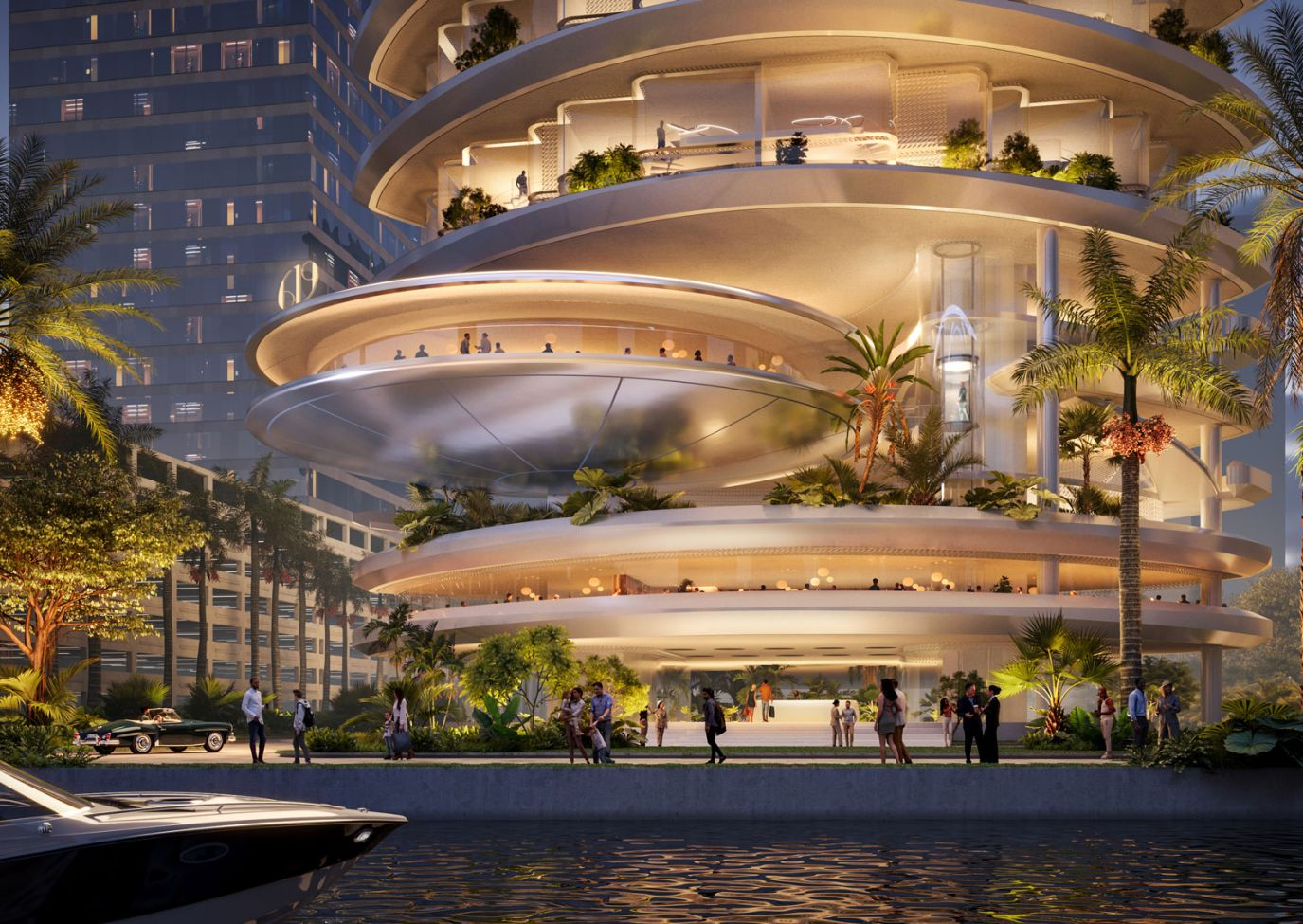
On 30 April 2026, 13th Floor Investments and Key International unveiled Nobu Residences at 619 Brickell — a 75-storey tower with 296 residences priced from approximately $3 million to $60 million. The project is being marketed as the pioneer of a new class of branded residential offering: one centred not on hotel-style hospitality alone, but on longevity, biohacking and clinical wellness.
It is a striking positioning from a brand whose international recognition was built on hospitality and cuisine. Nobu's residential programme to date has emphasised lifestyle and culinary integration; the 619 Brickell project explicitly broadens that proposition to include performance health and longevity science as a defining pillar of the resident experience.
The move reflects a broader shift in what affluent urban buyers — particularly in markets like Miami, Los Angeles, Dubai and Singapore — now expect from a luxury residence. The conventional luxury checklist (concierge, spa, fine dining, valet) is increasingly treated as table stakes. The new differentiators are diagnostic, behavioural and clinical: longevity testing, recovery protocols, sleep optimisation, nutrition programming, mental wellness integration.
For developers, this is both an opportunity and a challenge. The opportunity is a clear pricing premium and a clear demographic pull — particularly among buyers in their forties and fifties who view longevity not as a wellness indulgence but as a core household investment. The challenge is operational: delivering this proposition credibly requires partnerships with clinical providers, investment in dedicated infrastructure, and a long-term operating model that goes well beyond traditional hospitality.
619 Brickell sits within a Miami market that has been particularly receptive to this thesis. Cipriani Residences Miami, also rising in Brickell, recently became the tallest residential tower south of Manhattan at 872 feet. Delano Residences Miami opened its sales gallery in early April. The submarket is, in effect, an open laboratory for what the next decade of branded residential will look like in a high-density, design-forward US city.
What makes the Nobu project particularly worth watching is the integration of brand and clinical proposition. The brand is not adding a longevity wing to a Nobu tower; the proposition is being designed from the inside out around the wellness thesis, with hospitality woven through it. This is the structural difference between an amenity and an operating model, and it is the difference that will determine whether longevity-led residential commands a durable premium or proves to be a marketing wrapper.
Early pricing signals are encouraging. The $3 million entry point and the $60 million ceiling place the project at the top of the Brickell market, and the brand-and-thesis combination appears to be unlocking buyer segments that pure hospitality residences in the same submarket have not reached.
For Icon Partners' developer clients in the Middle East and beyond, 619 Brickell is a reference point. The model — a globally recognised lifestyle brand, a credible clinical partner, and a development team willing to invest in the operating infrastructure — is replicable, and we expect to see comparable projects announced in Dubai, Riyadh and the Red Sea within the next eighteen months.
Branded residences: the basics
- What Are Branded Residences? The Definitive 2026 Guide
- Branded Residence Ownership Structures Explained: The 2026 Guide
- Hotel-Branded vs Design-Branded Residences: The 2026 Comparison
- What Are Branded Residences? 2026 Definition, Models and Market Size
- Trustworthy Branded Residence Brands in 2026: How to Judge Credibility