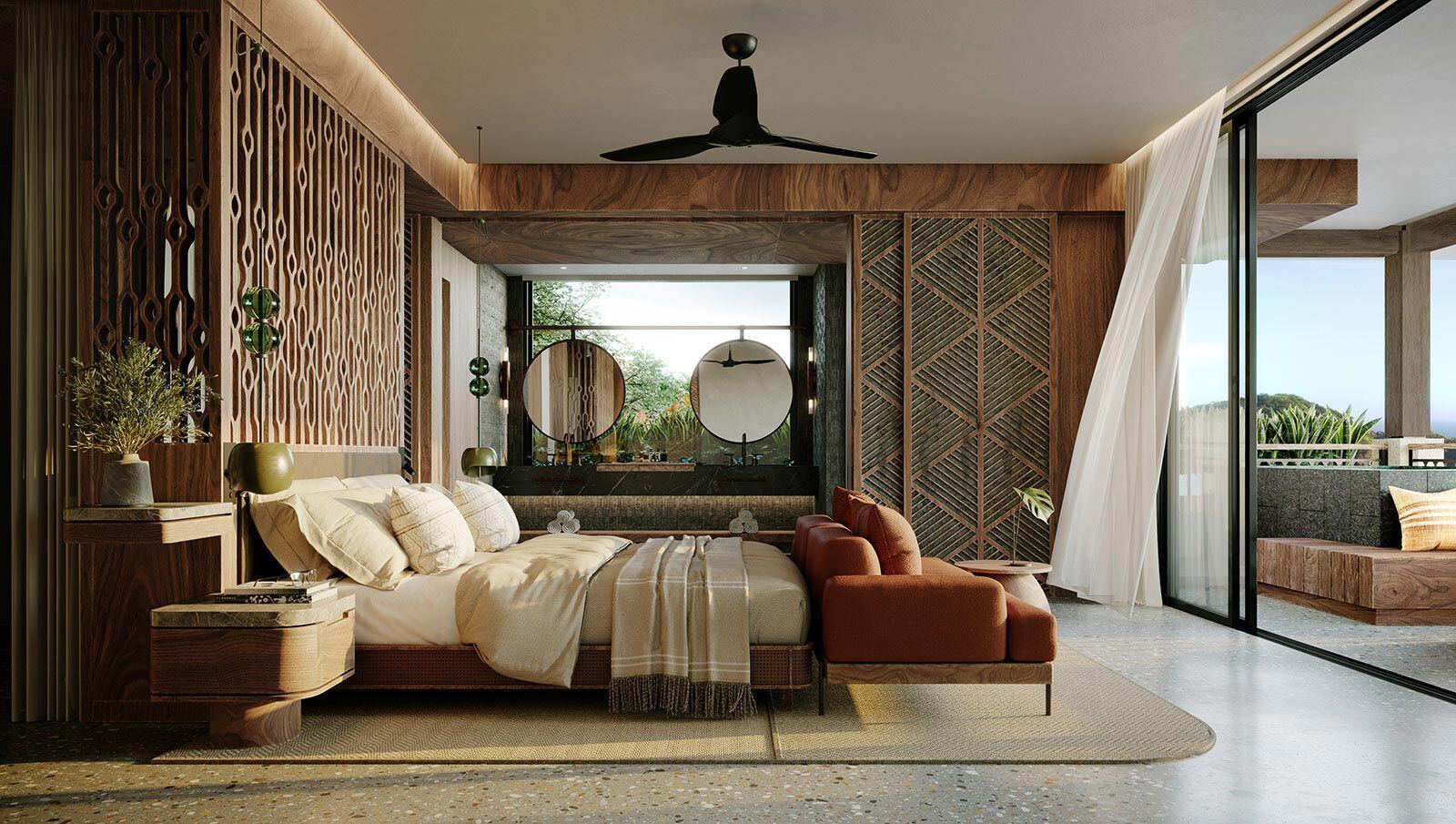
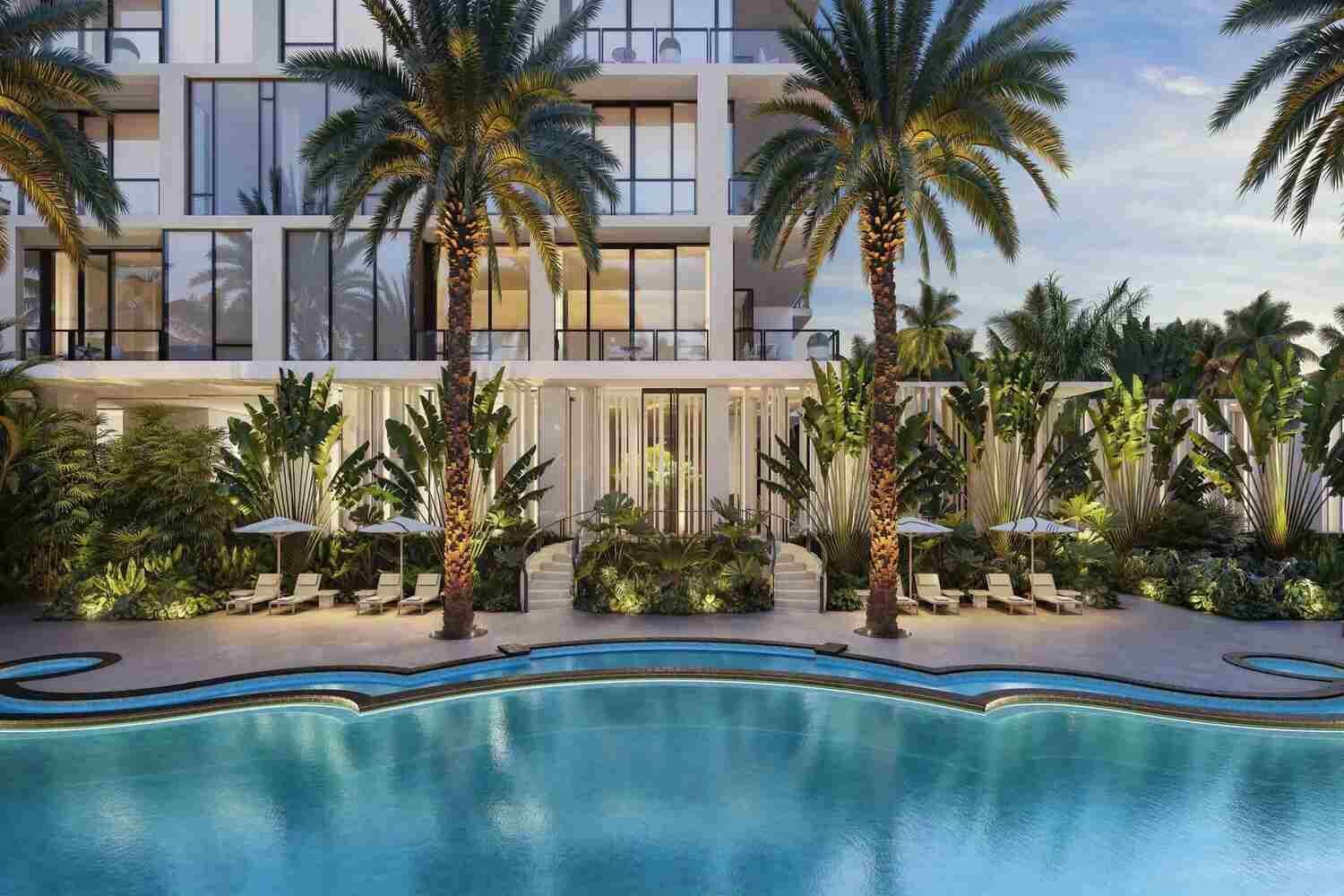
 Photo: The Raleigh Miami Beach — pool area. Brand Atlas
7 September 2026 ·3 min read
Amenities in Branded Residences: What You Get, and What You Pay For

Amenity provision has escalated across the category, driven by competitive marketing rather than by resident behaviour. This is a guide to what is actually on offer, what it costs to run, and how to judge whether a scheme's amenity mix is sensible.
The standard amenity map
| Tier | Amenities typically included | Annual cost impact |
|---|---|---|
| Core (almost universal) | 24-hour concierge, security, valet or parking management, package handling, common-area housekeeping | Baseline |
| Wellness | Gym, pool, sauna, steam, treatment rooms, yoga or movement studio | Moderate to high |
| Social | Residents' lounge, private dining room, screening room, business suite, terrace | Moderate |
| Family | Kids' club, playroom, teen room, outdoor play | Moderate |
| Hospitality-led | In-residence dining, housekeeping on demand, spa access, hotel room-charge privileges | High |
| Signature | House car, private jet or yacht desk, cellar and cigar rooms, pet spa, car gallery storage | High per user, low utilisation |
What residents actually use
Across schemes where we have seen usage data, the pattern is consistent and unflattering to the brochure:
- 01Concierge and security — used by essentially every resident, every week. The highest-value line in the budget.
- 02Gym and pool — genuine daily utilisation, particularly in urban schemes.
- 03Parking, valet and package handling — invisible until they fail, then decisive.
- 04Private dining and lounge — episodic but valued; small footprint, good return.
- 05Screening rooms, cigar lounges, simulators and business centres — routinely under 5% utilisation, and among the most expensive space per user in the building.
The strategic conclusion for a buyer: judge a scheme on the quality of the first three, not the length of the list.
Hotel-shared amenities: the questions that matter
Where amenities are shared with an attached hotel, four points determine whether the arrangement is good value:
- Ownership. Do the residences own any of it, or is access purely contractual?
- Priority. Do residents have booking priority, or do they queue behind hotel guests in peak season?
- Cost allocation. Is the residential share based on measurable usage or floor area, or set by management discretion?
- Surcharges. Is spa, gym or restaurant access included in the service charge, or charged again on use?
Shared amenity is usually excellent value — the residences access facilities they could never fund alone. It becomes poor value when residents fund a hotel-scale spa and cannot get a booking in February.
What each amenity costs to run
As a rule of thumb, wet amenities (pools, spa, hydrothermal) are the most expensive per square foot to operate, driven by energy, water treatment, plant maintenance and lifeguard or therapist staffing. Staffed amenities are next. Dry, unstaffed amenities — lounges, meeting rooms, terraces — are comparatively cheap and often the best value in the building.
A useful test: divide the estimated annual operating cost of each amenity by the number of residents who use it monthly. Any figure that looks absurd probably is.
For developers: sizing the amenity offer
- 01Model the service charge implication of every amenity at design stage, then test the resulting charge with agents against the target buyer.
- 02Prefer flexible, reconfigurable space over single-purpose rooms. Usage patterns change; concrete does not.
- 03Where a hotel is attached, share aggressively and document the allocation formula precisely.
- 04Deliver the core tier to an exceptional standard before adding a sixth signature facility.
- 05Remember that amenity area is sold at the same construction cost as saleable area but generates no revenue. Every unnecessary square metre is paid for twice.
Frequently Asked Questions
What amenities do branded residences have?
Almost all provide 24-hour concierge, security, valet or parking management and common-area housekeeping. Most add a gym, pool and spa facilities, a residents' lounge and private dining. Hotel-integrated schemes add in-residence dining, on-demand housekeeping and hotel spa and restaurant access.
Do residents pay extra for amenities?
The operating cost of amenities sits inside the annual service charge, so residents pay for them whether or not they use them. Some schemes additionally charge on use for spa treatments, restaurants or guest access, which should be confirmed before purchase.
Do branded residences share amenities with the hotel?
In hotel-integrated schemes, usually yes. What matters is whether residents have contractual access rights, booking priority over hotel guests, a transparent cost allocation formula and no additional surcharges for facilities already funded through the service charge.
Which amenities are actually worth paying for?
Concierge, security, parking and package handling, followed by the gym and pool, account for most measurable resident use. Screening rooms, cigar lounges, simulators and business centres typically run below 5% utilisation while occupying expensive space that owners fund twice.
See also
Branded residences: the basics
- Branded Residence Ownership Structures Explained: The 2026 Guide
- Hotel-Branded vs Design-Branded Residences: The 2026 Comparison
- What Are Branded Residences? 2026 Definition, Models and Market Size
- Trustworthy Branded Residence Brands in 2026: How to Judge Credibility
- How Do Branded Residences Work? The 2026 Operating Model Explained