Mar 2026 ·4 min read
Branded Residences in Morocco: Status and Perspectives

Morocco occupies a singular position in the African branded residential landscape. It is the only country on the continent with more than one internationally branded residential scheme in a single city, the only market where the format has been tested across two full economic cycles, and one of very few African destinations where a meaningful share of buyers come from outside the continent. For a market of its size, Morocco punches well above its weight — and the next phase of its branded residential story is now taking shape.
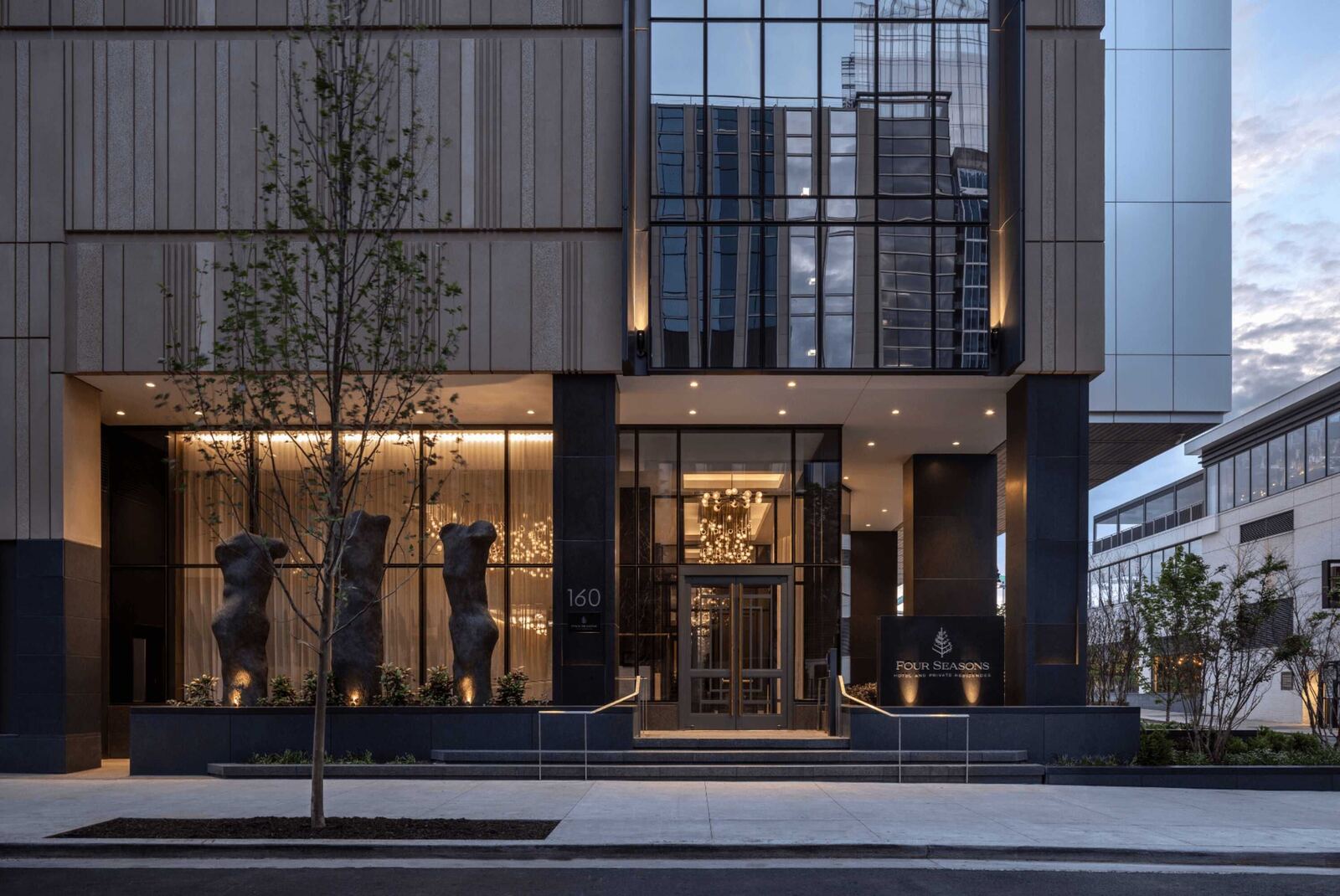
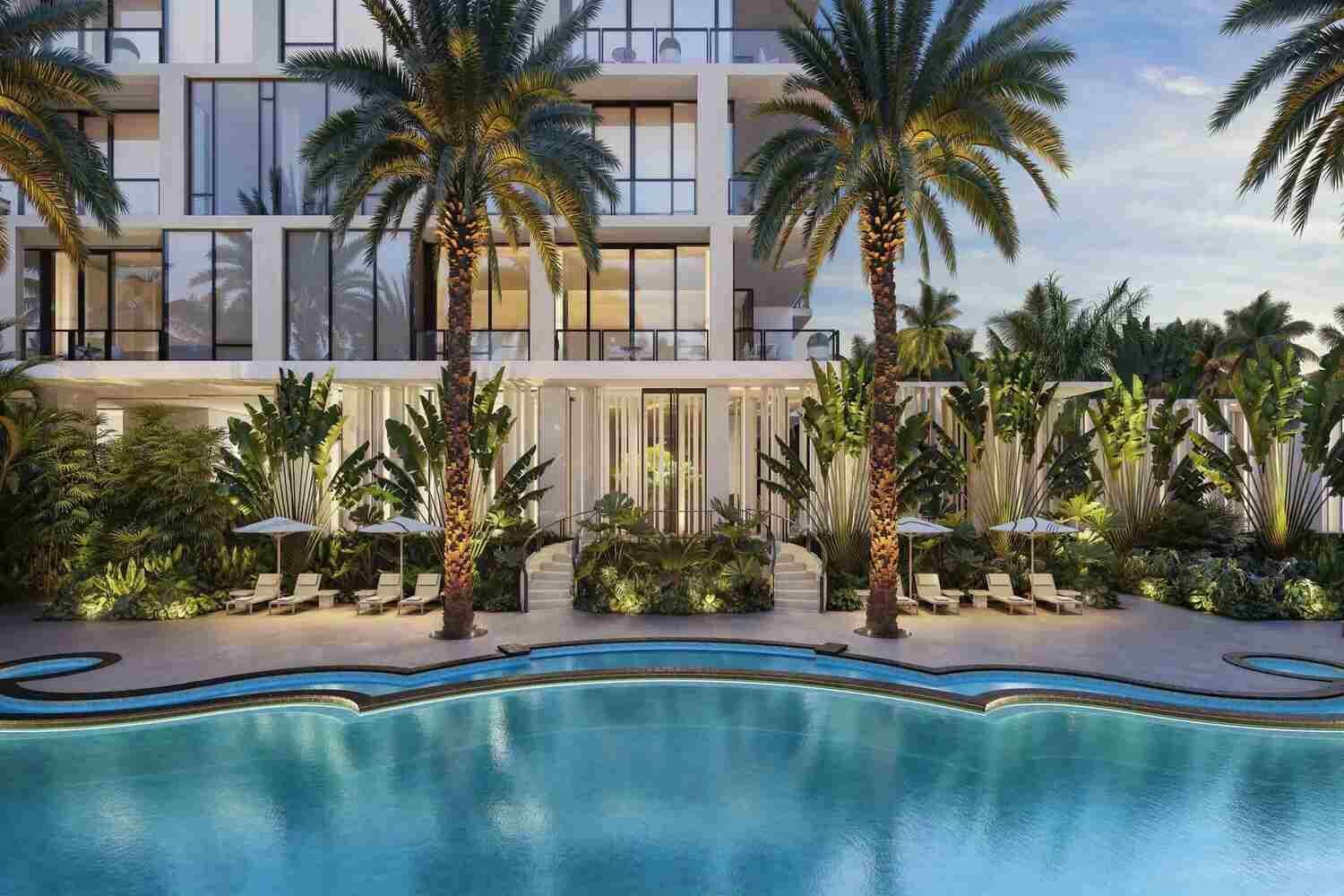
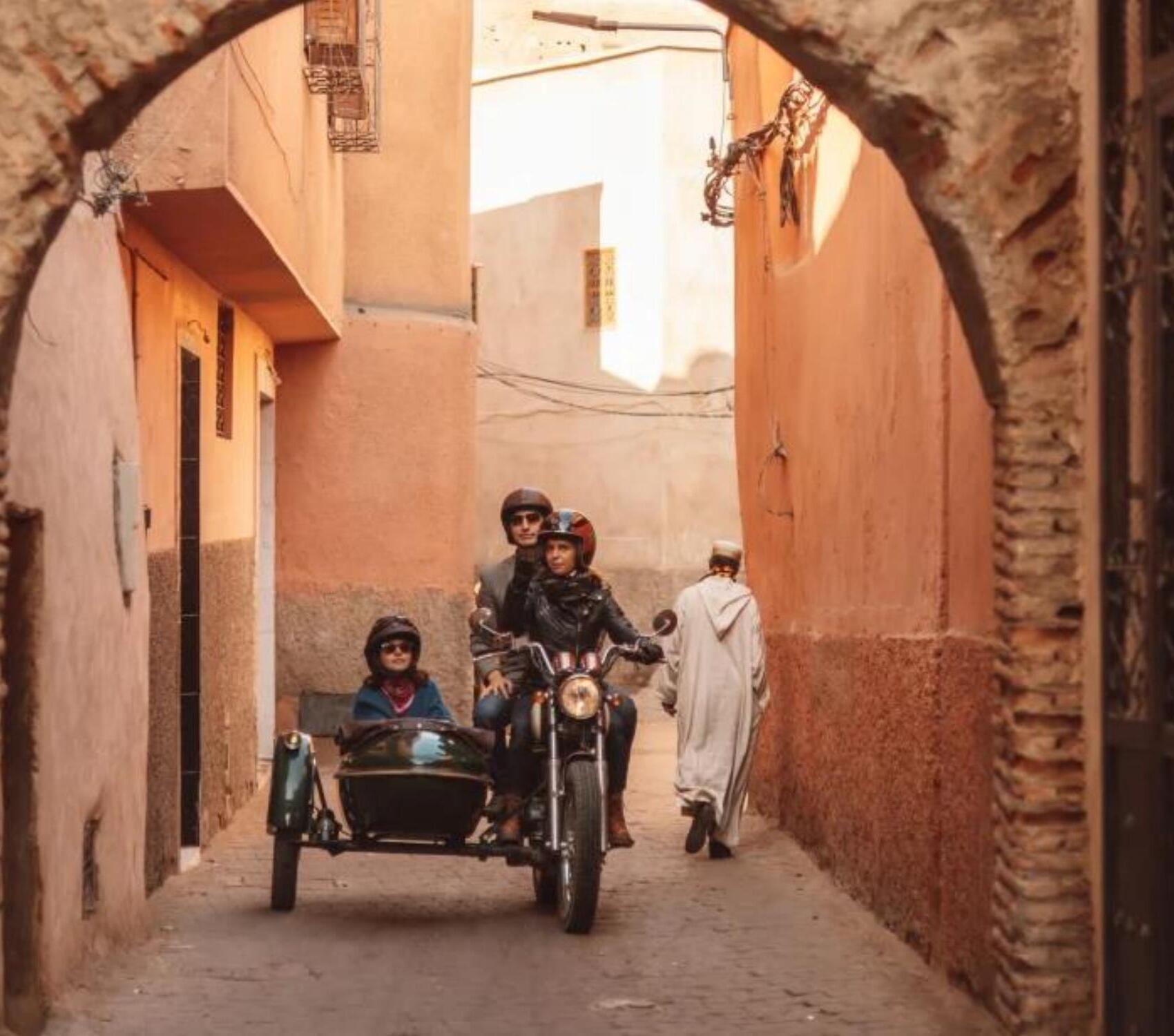
The foundation was laid in Marrakech. Over the past two decades, the city has hosted the country's most recognisable branded residential schemes, anchored by hospitality names that built their proposition around the riad-and-resort tradition. Mandarin Oriental, Four Seasons, Royal Mansour, Fairmont and Selman have, in different ways, defined what international buyers expect from a branded residence in Morocco: a low-density, garden-led, design-rich proposition that trades on the city's cultural depth rather than on verticality or scale.
That model has aged well. Marrakech remains, today, the most internationally legible branded residential market on the African continent. Resale velocity has held up through political and macroeconomic cycles, the buyer base has broadened from a predominantly French core to include Gulf, UK, North American and pan-African purchasers, and the city continues to attract new brand entrants — most recently in the wellness and design categories.
The strategic question for the next decade is whether the Marrakech model can be extended, adapted or replaced in the rest of the Kingdom. Three submarkets are now actively shaping that answer.
Casablanca is the most structurally important. As Morocco's financial capital and largest urban market, it has historically lacked a credible branded residential offer. That is now changing. The Casablanca Finance City ecosystem, combined with rising domestic wealth and a maturing local developer base, is producing the first wave of professionally structured branded projects aimed at a primary-residence buyer rather than a leisure purchaser. The implications are significant: branded residential in Casablanca is, for the first time, being designed around year-round occupancy and urban service infrastructure.
Tangier is the second to watch. The Tanger Med corridor, the rebuilt city centre, the high-speed rail link to Casablanca and Rabat, and the rise of the city as a Mediterranean lifestyle destination have created the conditions for a serious branded entry. A small number of hospitality-led schemes are now in advanced planning, and the buyer profile is unusually international — a mix of Moroccan, French, Spanish, British and increasingly Gulf demand. Tangier is the most likely Moroccan city, after Marrakech, to host a multi-brand branded residential cluster within the next five to seven years.
The Atlantic coast is the third. From Bouznika and Dar Bouazza in the centre, to Essaouira and Taghazout in the south, the coast offers a different proposition: low-density, lifestyle-led, often surf- and wellness-oriented, and increasingly attractive to a younger international buyer. The branded universe most relevant here is not the classical hospitality set but the lifestyle, design and wellness brands that have reshaped the global pipeline in recent years.
Two macro forces will determine how fast this next phase unfolds. The first is the 2030 FIFA World Cup, which Morocco will co-host with Spain and Portugal. The infrastructure investment, the international visibility and the accelerated hotel development cycle that the tournament is already triggering will materially expand the addressable pool of buyers and the credibility of Moroccan urban product. The second is the steady professionalisation of the domestic developer landscape. A new generation of Moroccan sponsors — backed by family offices, regional banks and increasingly by Gulf capital — is now capable of structuring branded residential schemes to international standard.
Risks remain. Regulatory clarity around branded residential structures, condominium governance, and short-term rental frameworks is still evolving. Construction cost inflation and a tight specialist contractor pool create delivery risk on the most ambitious schemes. And the gap between marketing positioning and operational delivery — the chronic vulnerability of branded residential everywhere — applies with particular force in markets where the operating culture is still being built.
Net of all of this, Morocco's branded residential trajectory through 2030 is unusually positive. Marrakech will remain the anchor. Casablanca will produce the country's first urban branded cluster of genuine institutional scale. Tangier and the Atlantic coast will open new submarkets with new brand categories. For developers, brand owners and capital partners, the Kingdom is no longer a single-city story — and the strategic questions are now about which submarket, which brand, and which structure, not whether to be in the market at all.
At Icon Partners, Morocco is one of the markets we follow most closely, and one where our advisory engagements have grown most quickly over the past two years. The next decade will not look like the last. It will be larger, more urban, more diverse in brand mix, and significantly more international in capital structure. The market that emerges from it will be the most important branded residential ecosystem on the African continent — and one of the more interesting in the wider EMEA region.
Market guides by country
- 'The Future of Branded Residences' — Global Tour 2026
- What Are Branded Residences? The Definitive 2026 Guide
- Branded Residence Ownership Structures Explained: The 2026 Guide
- Hotel-Branded vs Design-Branded Residences: The 2026 Comparison
- What Are Branded Residences? 2026 Definition, Models and Market Size