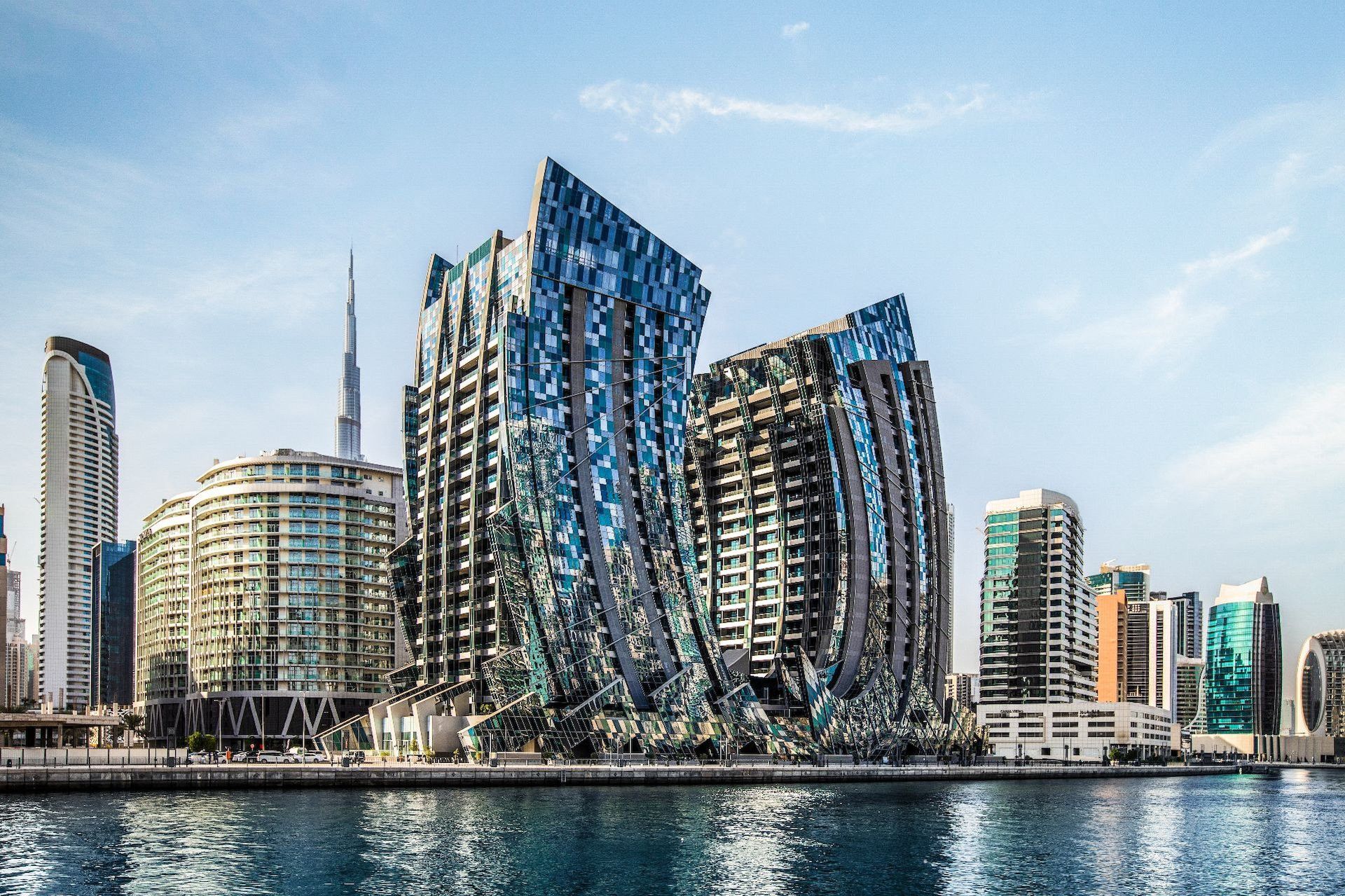
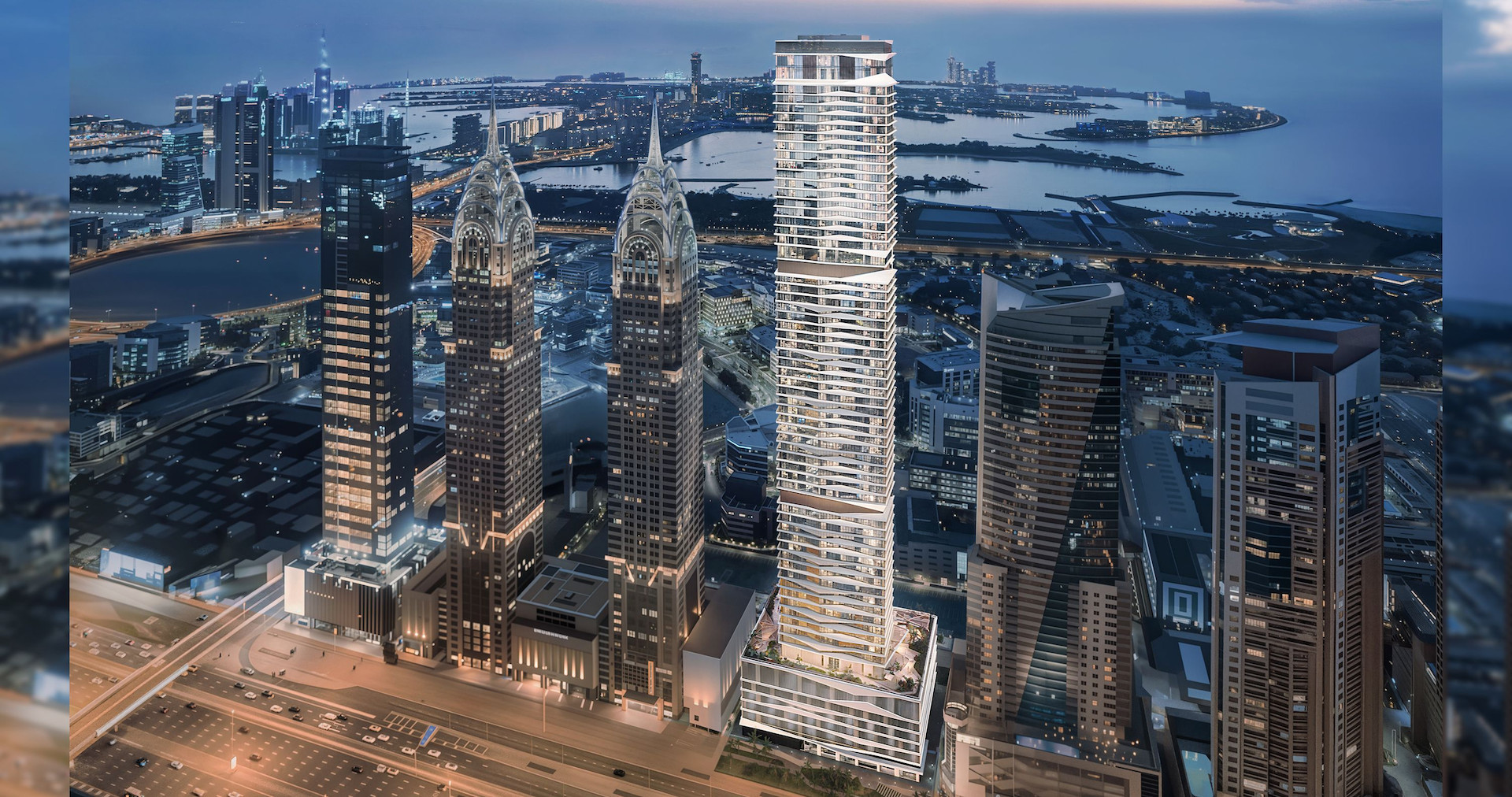
 Photo: Mandarin Oriental Miami — Brand Atlas
21 August 2026 ·4 min read
Branded Residences in Miami: The Most Competitive Market in the World

Miami is where the branded residence stopped being a hotel product and became a marketing category. The city's developers proved that a fashion house, a supercar marque or a designer studio could carry a residential tower without any hotel attached at all. That innovation created enormous value — and then created the saturation problem the market now has to solve.
The competitive picture
| Brand category | Examples of category | Current market dynamic |
|---|---|---|
| Hospitality-branded | Global luxury hotel operators | Stable, service-backed premium |
| Fashion and design houses | Italian and French luxury maisons | Strong where design is genuinely delivered |
| Automotive marques | Supercar and luxury automotive labels | Highly competitive, premium compressing |
| Celebrity and designer | Named architects and personalities | Volatile, dependent on individual relevance |
The compression in the automotive category is the clearest signal of what saturation does. When the category was novel, an automotive-branded tower was genuinely differentiated and priced accordingly. With multiple competing schemes in the same submarkets, the buyer is no longer choosing between a branded and an unbranded tower — they are choosing between four branded ones, and the decision reverts to location, layout, view, price and completion date.
What still commands a premium
- Waterfront position. Miami is fundamentally a water market; direct bay or ocean frontage remains the primary value driver, brand or no brand.
- Genuine design delivery. Where the brand's design language is visible in the architecture, amenity and unit finish — not just the lobby — buyers pay for it.
- Service infrastructure that actually exists. A branded tower with a functioning residential service platform outperforms one where the brand is a licence and the service is a standard building management contract.
- Delivery track record. After multiple cycles, Miami buyers price developer credibility explicitly.
The submarkets
- 01Miami Beach and Surfside — the highest-value, most supply-constrained stock, with strong resale depth and the most demanding buyer.
- 02Brickell — dense urban, professional buyer, high branded supply, strongest competition.
- 03Edgewater and Biscayne corridor — value bay-front, rapid new supply, mixed absorption.
- 04Coconut Grove and Coral Gables — lower density, family end-user, boutique branded product performs well.
- 05Sunny Isles — established branded corridor with substantial international demand and heavy competing supply.
Insurance, resilience and the service charge
Miami's cost picture has shifted in ways that directly affect branded schemes. Property insurance costs in coastal Florida, structural inspection and reserve funding requirements introduced across the state, and the elevated FF&E replacement cycle of a branded asset combine to push carrying costs materially higher than buyers expect.
For a developer this is a pricing issue, not merely a disclosure issue. Sophisticated Miami buyers now underwrite the total annual cost of ownership, and a branded scheme whose amenity programme inflates that number without a matching service uplift will underperform at resale regardless of the name on the building.
Pitfalls
- Selecting a brand already represented within the same submarket.
- Treating the brand as the differentiation strategy rather than as an amplifier of a differentiated product.
- Under-modelling insurance and reserve costs in the service charge.
- Assuming international demand is uniform — Miami's Latin American, European and domestic buyer pools behave very differently across cycles.
Outlook
Miami will remain the most inventive branded residence market in the world and the hardest one in which to earn a premium. The schemes that win from here are those where the brand partnership produces a demonstrably different building — not those where it produces a different sign.
Frequently Asked Questions
Why is Miami so important to branded residences?
Miami pioneered the standalone branded residence — proving that a fashion house, automotive marque or design studio could carry a residential tower without an attached hotel. That innovation created the design and lifestyle branding category now used worldwide, and it also made Miami the most competitive branded market anywhere.
Do branded residences still command a premium in Miami?
Selectively. Hospitality-branded and genuinely design-delivered schemes still price well, but premiums in saturated categories — particularly automotive branding in submarkets with several competing towers — have compressed. Where every competing building carries a brand, buyers revert to location, layout, view, price and delivery date.
What drives value most in the Miami market?
Waterfront position first, then genuine design delivery visible beyond the lobby, a real residential service platform rather than a licence plus standard building management, and developer delivery credibility, which Miami buyers now price explicitly after multiple cycles.
Why are Miami service charges so high?
Coastal Florida property insurance costs, statewide structural inspection and reserve funding requirements, and the elevated FF&E replacement cycle of a branded asset combine to raise carrying costs well above what many buyers initially expect. Informed buyers capitalise those costs into the price they will pay.
See also
Market guides by country
- 'The Future of Branded Residences' — Global Tour 2026
- What Are Branded Residences? The Definitive 2026 Guide
- Branded Residence Ownership Structures Explained: The 2026 Guide
- What Are Branded Residences? 2026 Definition, Models and Market Size
- Trustworthy Branded Residence Brands in 2026: How to Judge Credibility