Apr 2026 ·3 min read
Branded Residences in Africa: Where Are We?

Branded residences are, today, a remarkably unevenly distributed asset class. The Middle East alone concentrates more than a third of the global pipeline; North America, Europe and Southeast Asia absorb most of the remainder. Africa, by contrast, accounts for less than 3% of completed and announced schemes worldwide. For a continent of 1.5 billion people, a fast-growing affluent class and several of the most distinctive destinations in global tourism, that figure is striking — and, increasingly, the wrong baseline against which to project the next decade.
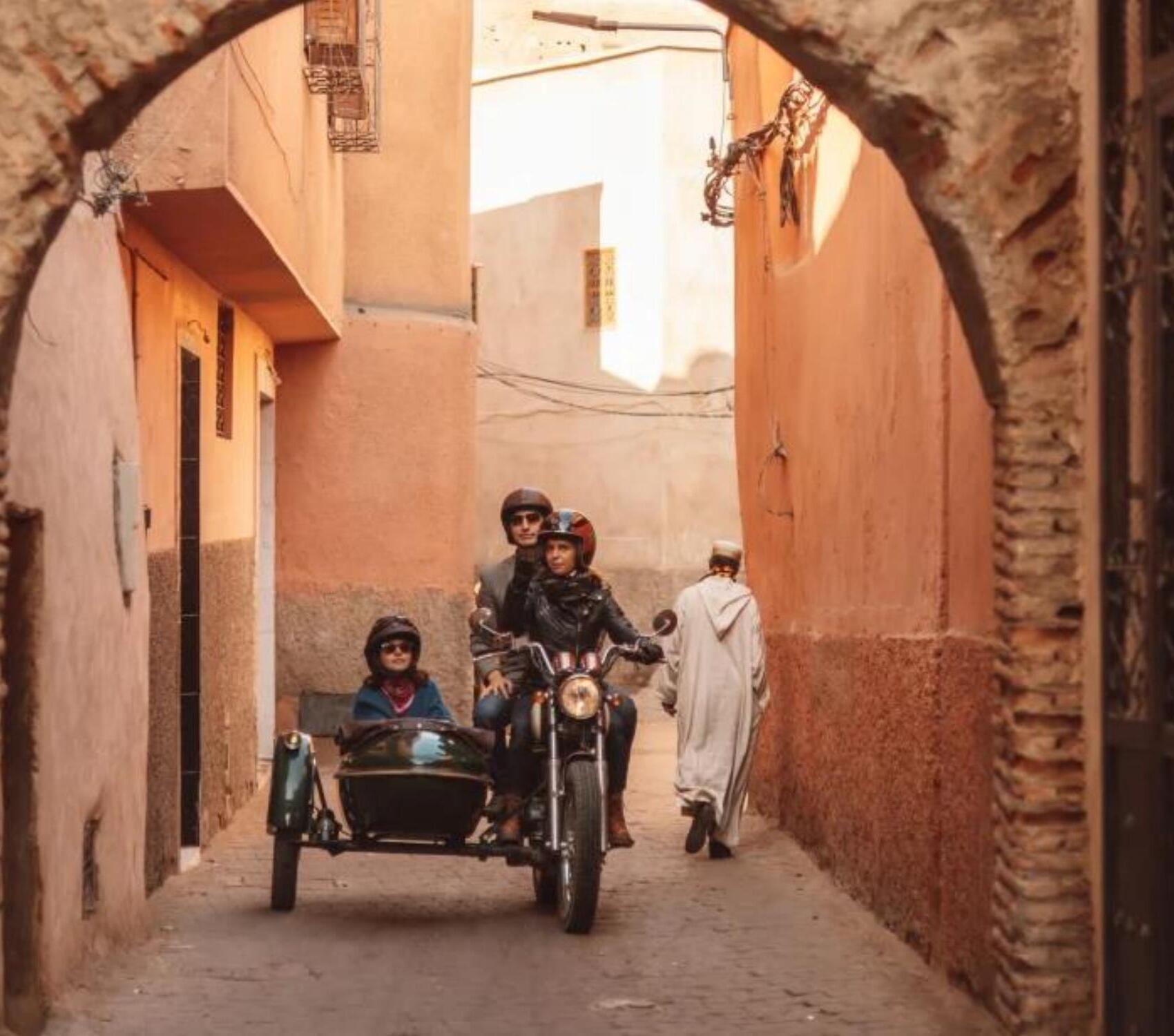
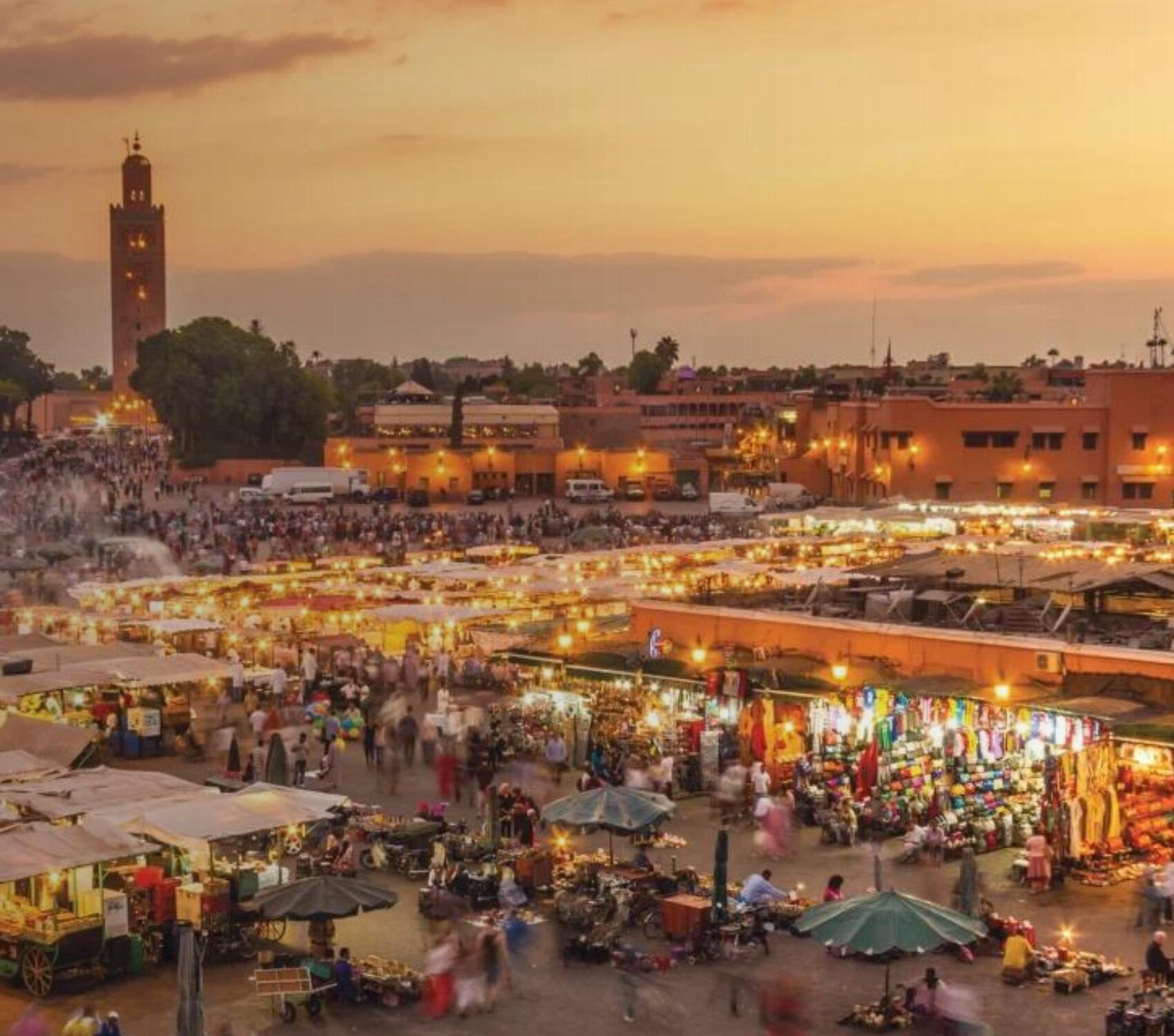
The starting point matters. Of the small number of branded schemes delivered or announced on the continent, the vast majority sit in three submarkets: Cape Town, Marrakech and, more recently, Cairo's New Administrative Capital and North Coast. Cape Town has anchored its position through The Ritz-Carlton Residences and a small set of design-led independent projects on the Atlantic Seaboard. Marrakech remains the only African city with multiple internationally branded residential schemes in a single submarket. Cairo's pipeline is younger but growing quickly, supported by a domestic developer ecosystem that is now actively seeking international brand partnerships.
Outside these three nodes, the map is sparse. Lagos and Nairobi have seen isolated hospitality-led residential announcements but no consistent pipeline. Dakar, Abidjan and Kigali are spoken about as future markets but have not yet produced a delivered branded scheme of meaningful scale. Mauritius and Seychelles sit in a category of their own — geographically African, but operating in a market structure closer to the Indian Ocean resort circuit than to continental urban residential.
Three structural forces explain the gap, and all three are now beginning to shift. The first is buyer depth. Branded residences require a critical mass of buyers willing to pay a 30–40% premium over comparable non-branded product. In most African cities that pool has historically been thin and heavily dependent on diaspora and regional capital. Wealth growth across Nigeria, Egypt, Kenya, Morocco and South Africa is now broadening that base, and the rise of pan-African and Gulf-based investor capital is providing a second source of demand.
The second is operator appetite. Until recently, most international hospitality brands viewed sub-Saharan Africa as a hotel market rather than a residential one. That posture is changing. Marriott, Accor, Kerzner, Mandarin Oriental and Rosewood have all signalled, in different ways, a more active interest in African residential — particularly in markets where a hotel-led entry can be followed by a residential extension or a standalone branded scheme.
The third is developer maturity. Branded residential is an unforgiving format: it requires sophisticated structuring, professional sales infrastructure, long-dated financing and the ability to deliver to international specification. A new generation of African developers — many of them backed by family offices or regional financial groups — is now capable of meeting that bar. The result is a small but rising pipeline of projects that are designed, from inception, around international brand partnership.
What does the next five years look like? In our view, three patterns are likely to emerge. Marrakech will continue to deepen as the continent's most established branded residential market, with new entrants extending the offer beyond the historic riad-and-resort model. Cairo will become Africa's largest pipeline by unit count, driven by domestic developer scale and New Capital infrastructure. And one or two sub-Saharan cities — Cape Town almost certainly, Lagos and Nairobi as candidates — will produce the first truly internationally credible branded schemes outside the established hubs.
Morocco deserves a closer look. It is the only African country with a multi-brand residential cluster in a single city, and its market has now been tested across two full economic cycles. For a detailed examination of the Kingdom's trajectory — including the emergence of Casablanca, Tangier and the Atlantic coast as new submarkets, and the impact of the 2030 FIFA World Cup — see our companion analysis below.
For developers, the strategic question is no longer whether branded residences will work in Africa, but where, with whom, and at what specification. The brand universe is wider than it was five years ago, the buyer pool is deeper, and the cost of getting the structure wrong is high. At Icon Partners, we are advising an increasing number of African and Gulf-based sponsors on exactly these questions — and the conversations have shifted, in the past eighteen months, from exploratory to operational.
Africa is not about to become Dubai. But the continent is, for the first time, building the foundations for a credible branded residential cycle. The next decade will determine which cities, which developers and which brands lead it.
Market guides by country
- 'The Future of Branded Residences' — Global Tour 2026
- What Are Branded Residences? The Definitive 2026 Guide
- Branded Residence Ownership Structures Explained: The 2026 Guide
- Hotel-Branded vs Design-Branded Residences: The 2026 Comparison
- What Are Branded Residences? 2026 Definition, Models and Market Size