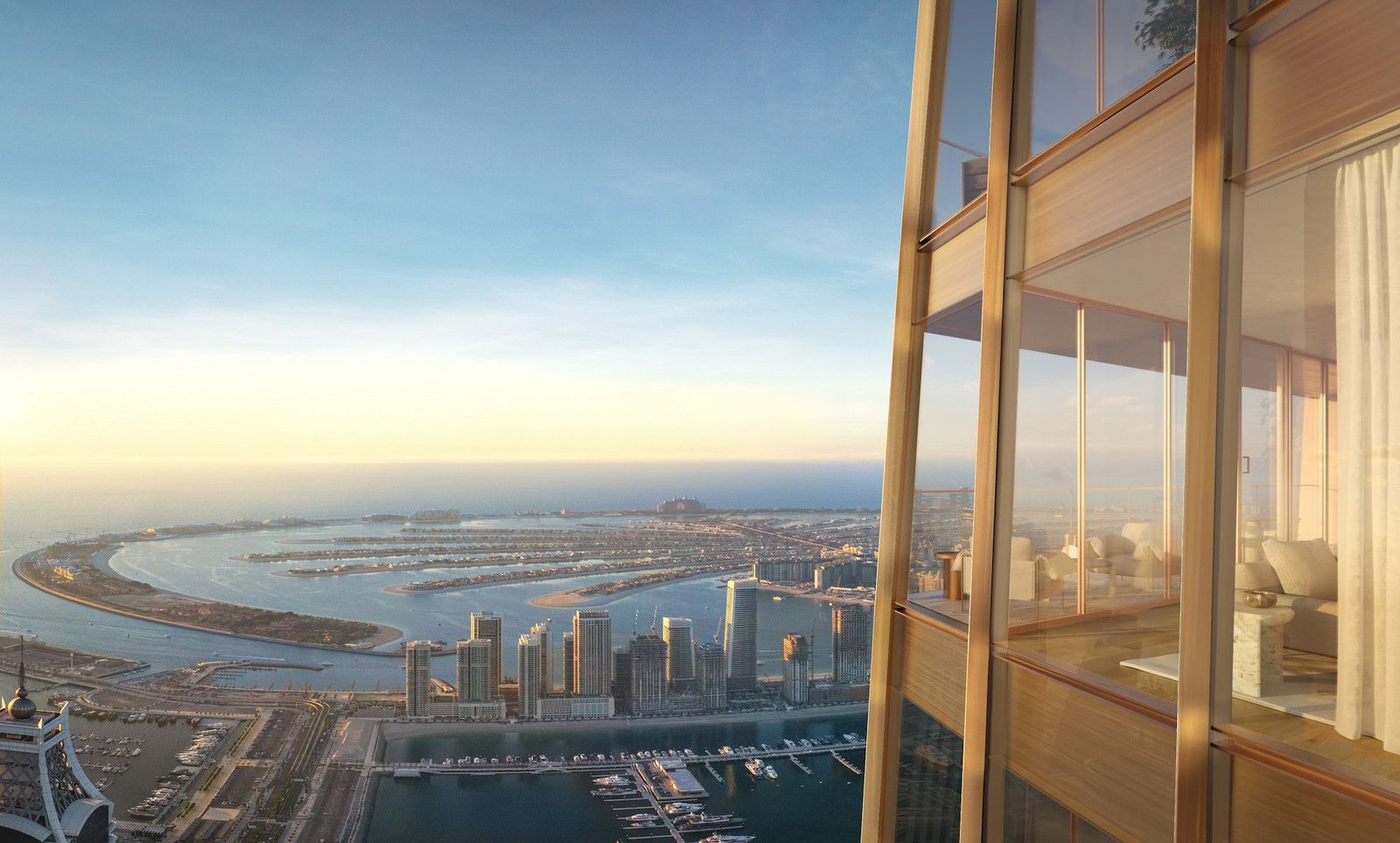
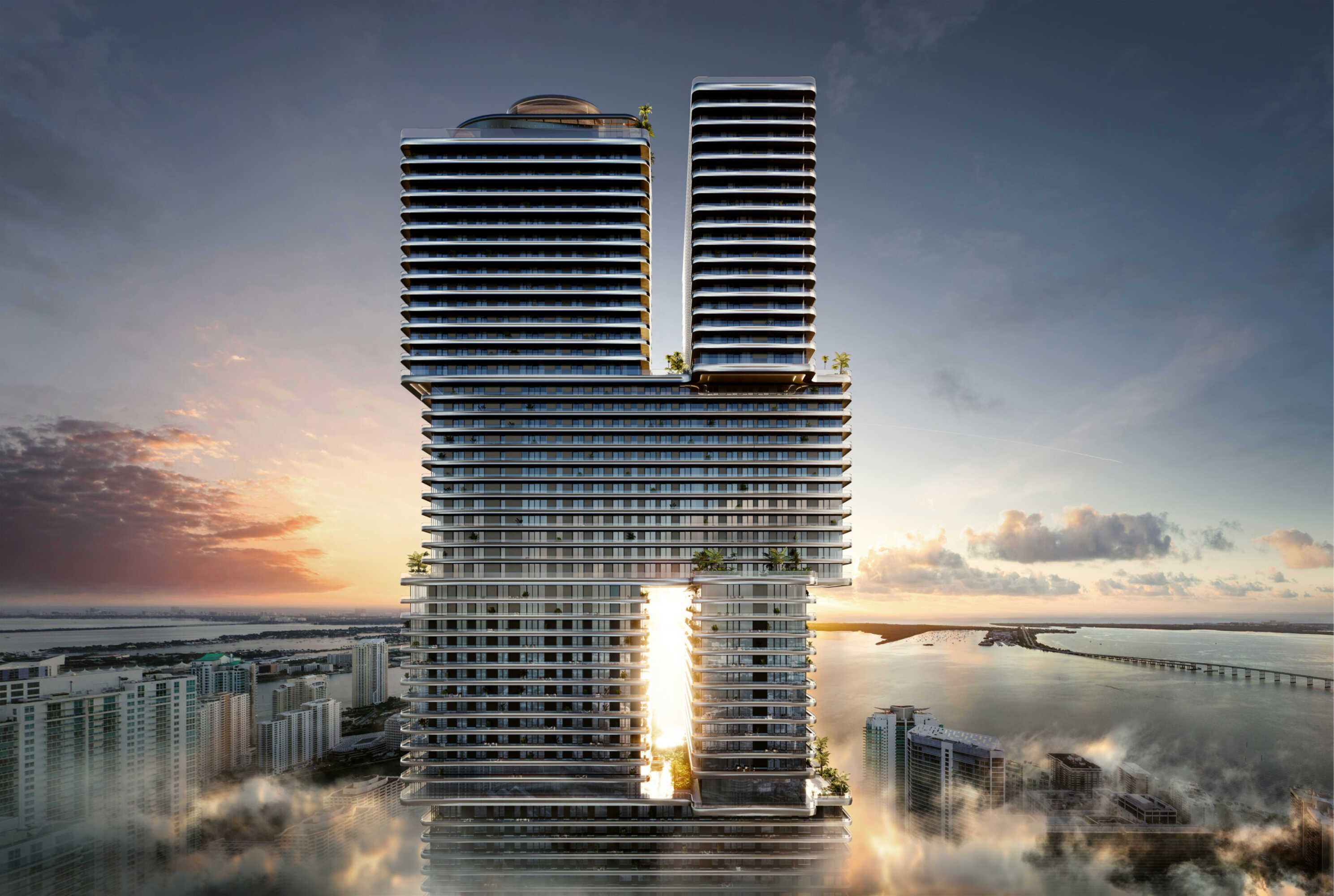
 Photo: Nobu Abu Dhabi — Brand Atlas
29 August 2026 ·4 min read
Branded Residences in Abu Dhabi: A Quieter, More Disciplined Market

Abu Dhabi is frequently analysed as a smaller version of Dubai. It is not. The buyer profile, the land control structure and the pace of release are different enough that a strategy copied from across the border tends to underperform. Where Dubai rewards speed and volume, Abu Dhabi rewards restraint.
The structural difference: who is buying
Dubai's prime market is driven substantially by international investors and second-home buyers, with meaningful short-let demand underpinning yields. Abu Dhabi's prime market skews far more towards resident end-users — senior expatriate professionals, Emirati households trading up, and regional families establishing a base near the capital's institutional and cultural infrastructure.
That has three practical consequences for a branded scheme:
- Layout beats headline. End-users scrutinise floor plates, storage, service access and family functionality in a way that off-plan investors do not.
- Service charge tolerance is lower. A buyer who will live in the unit for a decade prices the running cost accurately.
- Resale depth is thinner. The scheme must be genuinely desirable, because there is no speculative flow to absorb weak product.
Where the pipeline sits
| Location | Character | Branded positioning |
|---|---|---|
| Saadiyat Island | Cultural district, beachfront, low density | Ultra-prime, strongest premium support |
| Yas Island | Leisure and entertainment anchored | Lifestyle and design-branded, family-led |
| Al Maryah / Al Reem | Central business district | Urban hospitality-branded, professional buyer |
| Mainland corniche | Established, supply-constrained | Selective, redevelopment-driven |
Saadiyat remains the strongest location narrative in the emirate. The combination of museum-anchored cultural infrastructure, protected beachfront and enforced low density produces exactly the scarcity conditions that a top-tier brand needs to justify its premium. Yas has emerged as a distinct proposition, with design and lifestyle brands finding a natural fit alongside the island's entertainment offer.
What premium is achievable
We generally underwrite Abu Dhabi branded schemes at a 20-40% premium to comparable unbranded prime stock, with the upper half of that range reserved for genuinely scarce beachfront or cultural-district product with a top-tier operator. That is narrower than Dubai's headline range, but it is also more stable — the emirate has not experienced the same launch-cycle volatility, because it has not permitted the same volume of simultaneous releases.
The important nuance is that Abu Dhabi premiums hold better at resale. In markets with heavy branded supply, the second-hand branded unit competes with a new branded launch offering fresher finishes and a developer payment plan. Where supply is controlled, that competition is far weaker.
Master-developer dynamics
Abu Dhabi's principal land parcels sit with a small number of master developers operating under close government coordination. For a private developer or an international sponsor, this changes the entry route: the practical question is often not which brand to pursue but which partnership structure gets you a site at all.
- 01Joint venture with a master developer, contributing capital, brand relationships or delivery capability against a land contribution.
- 02Plot acquisition within a released masterplan, with development conditions and design review attached.
- 03Component acquisition — taking the residential element of a mixed-use scheme where the hotel sits with another party.
Each route implies a different negotiating position with the brand, because the brand's counterparty and the party controlling the hotel component may not be the same entity. Getting that alignment wrong is the most common structural failure in Abu Dhabi mixed-use branded schemes.
Regulatory notes
Foreign ownership in Abu Dhabi is permitted on a freehold basis within designated investment zones, a framework materially liberalised in recent years and now covering the principal island districts where branded product is concentrated. Off-plan sales are governed by escrow requirements administered by the Department of Municipalities and Transport. As in Dubai, the branded-specific issues are contractual: jointly-owned property declarations, shared amenity apportionment between hotel and residential, and the brand's approval rights.
Pitfalls specific to Abu Dhabi
- Importing a Dubai pricing assumption into a market with a different buyer and thinner resale depth.
- Over-amenitising for an end-user buyer who will pay the service charge for thirty years.
- Assuming brand availability, when several operators hold exclusivity commitments granted years earlier.
- Misaligning hotel and residential ownership, leaving the residential owner without control over the service its premium depends on.
Outlook
Abu Dhabi's discipline is its competitive advantage. We expect the emirate to continue adding branded schemes at a measured pace, concentrated on Saadiyat and Yas, with premiums holding in the 20-40% band and resale performance outperforming higher-supply markets in the region. For sponsors, the opportunity is less about being early and more about being the *right* scheme in a market that will not absorb many.
Frequently Asked Questions
Is Abu Dhabi a good market for branded residences?
Yes, for the right scheme. Abu Dhabi has far less branded supply than Dubai and a higher proportion of genuine end-user buyers, which supports durable premiums of roughly 20-40% with better resale stability. The trade-off is thinner liquidity, so brand fit and product quality matter more than in a high-volume market.
Where are Abu Dhabi's branded residences concentrated?
Principally on Saadiyat Island, where cultural infrastructure and protected low-density beachfront support ultra-prime positioning, and on Yas Island, where lifestyle and design-led brands align with the leisure offer. Al Maryah and Al Reem carry urban hospitality-branded product aimed at professional buyers.
Can foreigners buy branded residences in Abu Dhabi?
Yes. Freehold foreign ownership is permitted within Abu Dhabi's designated investment zones, which include the principal island districts where branded schemes are located. Off-plan sales are protected by escrow requirements administered by the Department of Municipalities and Transport.
How do Abu Dhabi branded residence premiums compare with Dubai?
Headline premiums are generally narrower — roughly 20-40% versus Dubai's wider 25-70% spread — but they have proved more stable over time. Abu Dhabi has not seen the same volume of simultaneous launches, so second-hand branded stock faces less competition from new releases at resale.
See also
Market guides by country
- 'The Future of Branded Residences' — Global Tour 2026
- What Are Branded Residences? The Definitive 2026 Guide
- Branded Residence Ownership Structures Explained: The 2026 Guide
- Hotel-Branded vs Design-Branded Residences: The 2026 Comparison
- What Are Branded Residences? 2026 Definition, Models and Market Size