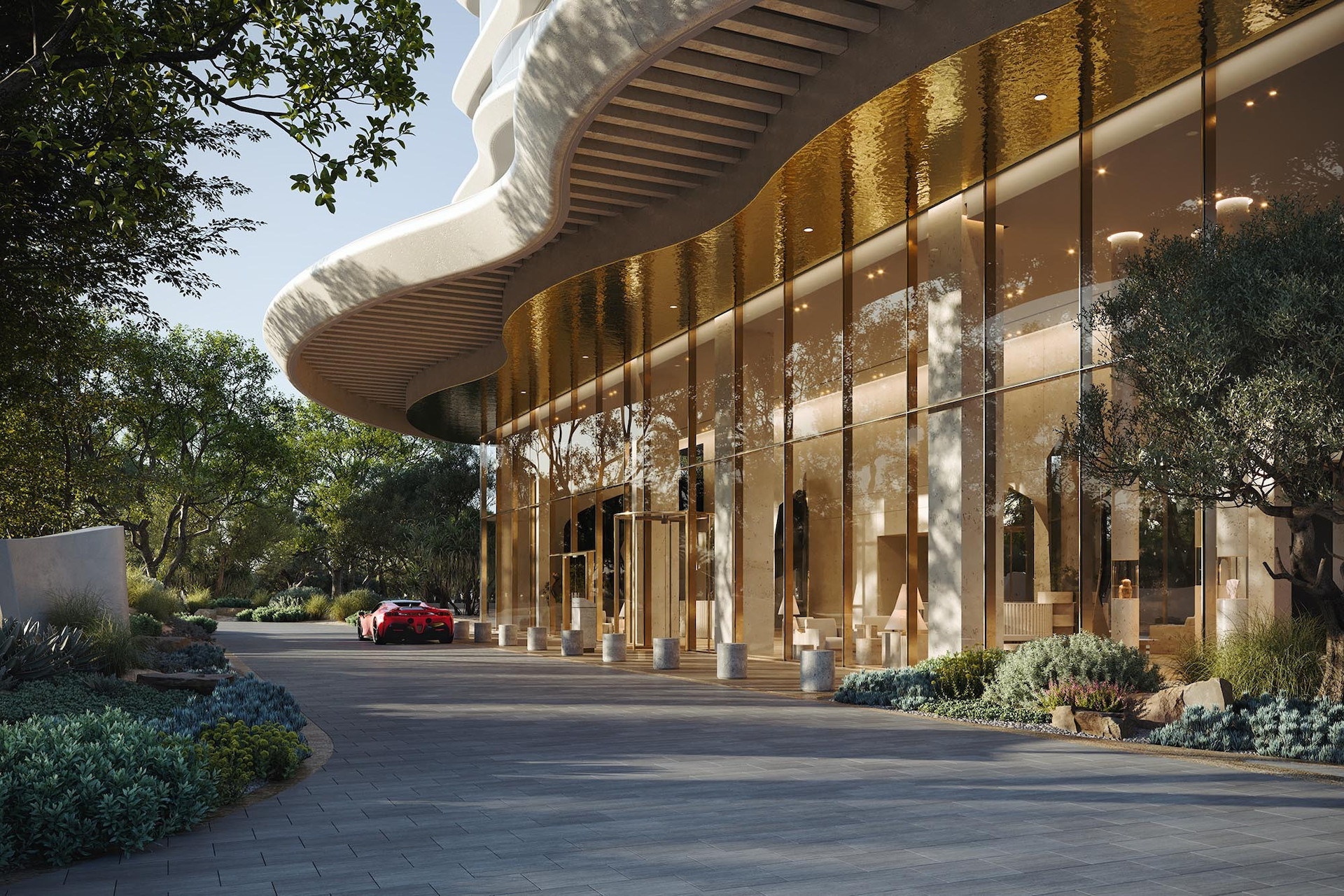
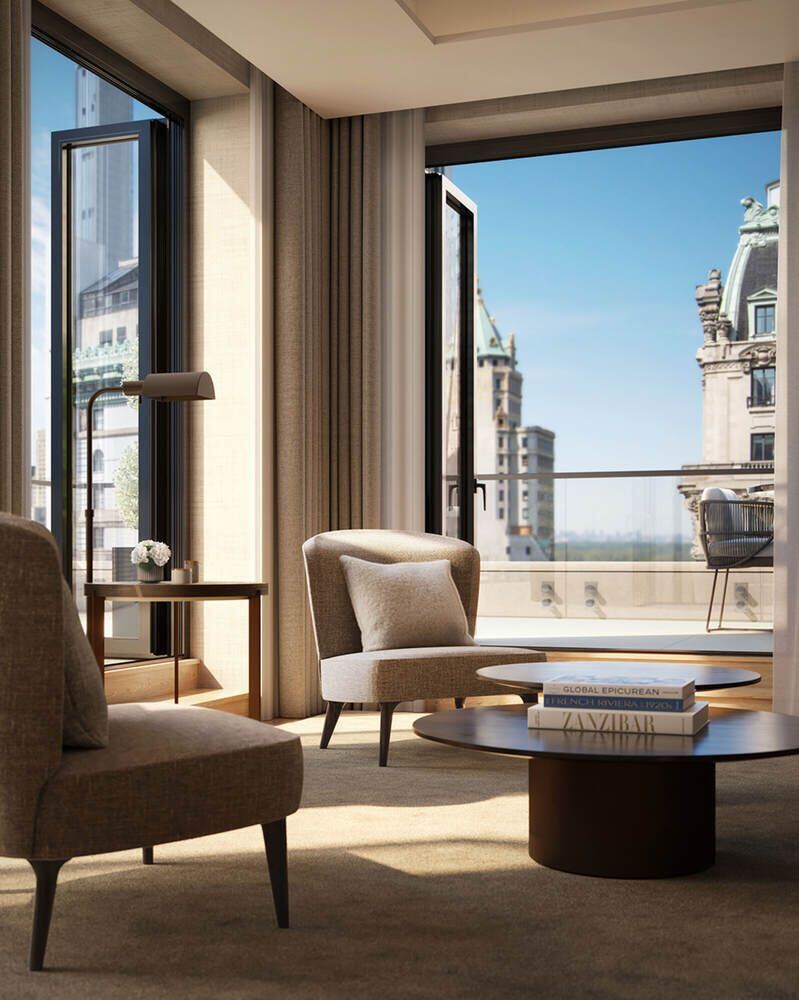
 Photo: 685 Fifth Avenue residence interior, New York. Brand Atlas
3 September 2026 ·4 min read
Who Actually Owns What in a Branded Residence?

The most common misconception in the category is that buying into a branded scheme buys a share of the brand's promise. It does not. It buys a title, plus membership of an association, plus the benefit of contracts the association holds with somebody else.
The five parties and what each holds
| Party | What they own or hold | Duration |
|---|---|---|
| Individual owner | Title to the unit; a share of common parts; association membership | Perpetual, subject to tenure |
| Owners' association | Common parts, amenity areas allocated to residential, reserve fund | Perpetual |
| Brand | The trademarks, design codes and standards | Contractual, 20–30 years |
| Operator | No ownership; a contract to manage to a standard | Contractual, renewable |
| Developer / hotel owner | Retained commercial areas, hotel component, sometimes the amenities | Until sold |
What you own
Your title is ordinarily identical in form to any other unit in the jurisdiction: freehold in the Gulf's designated areas, strata or condominium title in most of Asia and North America, leasehold in the UK and parts of Southeast Asia. The branded status is not a form of tenure. It is an overlay of contracts on ordinary property rights.
That has a reassuring consequence and an uncomfortable one. Reassuring: your ownership survives the brand. Uncomfortable: so does your service charge obligation, whatever the brand does.
The amenities question
This is where buyers are most often surprised. In hotel-integrated schemes, the spa, pool, gym, restaurants and valet frequently belong to the hotel owner, not to the residential association. Residents access them under a shared-facilities agreement that specifies hours, capacity, priority and cost allocation.
The three questions that follow:
- 01Are residential access rights contractual and perpetual, or terminable? Terminable rights should be priced accordingly.
- 02What is the cost allocation formula between hotel and residential, and can it be changed unilaterally?
- 03Are there usage charges on top of the service charge for spa, gym or restaurant access?
In standalone branded schemes the position is usually cleaner: the association owns the amenities, and the operator runs them under contract.
What the brand owns
The brand owns its marks and its standards, and licenses their use for a defined term in a defined territory. It does not own the building, and it usually does not employ the staff directly — many residential operating teams sit with a management company or the association's payroll under the operator's supervision.
The practical effect: an owner cannot sue the brand for poor service. Recourse runs through the association's contract with the operator. This is why board composition and the association's enforcement budget matter far more in a branded building than an unbranded one.
What the operator controls
Everything you actually experience: staffing levels, training, response standards, maintenance regimes, supplier selection and the operating budget proposal. The operator owns nothing and controls almost everything — an asymmetry that is fine when the contract has teeth and problematic when it does not.
Special cases worth knowing
- Fractional and residence-club structures. You own a share of a unit or a club membership, not a whole home. Resale liquidity is materially different.
- Mandatory rental pools. In a handful of jurisdictions the scheme is structured so the unit must be available to the programme for a minimum period, usually for tax or zoning reasons. This constrains personal use.
- Hotel-condo hybrids. The unit is legally part of the hotel inventory. Personal use may be capped at 60–90 nights a year, and that cap is a title-level restriction, not a house rule.
- Leasehold with a short unexpired term. A 60-year residual lease behind a 30-year brand agreement produces a very different exit picture from freehold.
The questions that resolve it
- Is my title freehold, strata or leasehold, and what is the unexpired term?
- Who owns the amenities I am being shown, and on what terms do I access them?
- Is participation in the rental programme optional?
- Is there any cap on personal occupancy?
- Who employs the on-site team?
- What happens to all of the above if the brand agreement ends?
Six questions, six documented answers. A scheme that provides them is being run properly; one that cannot is not yet ready to sell.
Frequently Asked Questions
Do you actually own a branded residence?
Yes. Title is held on the same basis as any comparable property in that jurisdiction — freehold, strata or leasehold. The branded status is a layer of contracts over ordinary property rights, not a different form of tenure.
Do residents own the hotel amenities?
Usually not in hotel-integrated schemes. The spa, pool, gym and restaurants typically belong to the hotel owner, with residents accessing them under a shared-facilities agreement that sets hours, priority and cost allocation. In standalone branded schemes the association normally owns the amenities.
Can I use my branded residence whenever I want?
In a standard branded residence, yes. In hotel-condo structures, personal occupancy may be capped at roughly 60–90 nights a year as a title-level restriction. Always confirm which structure applies before purchase.
Who employs the staff in a branded residence?
It varies. Staff may be employed by the operator, by a management company, or by the owners' association under the operator's supervision. The employer determines who carries the cost and who is accountable if service falls short, so it is worth confirming.
See also
How the deals work
- How Do Branded Residences Work? The 2026 Operating Model Explained
- Hotel-Branded vs Design-Branded Residences: The 2026 Comparison
- What Are Branded Residences? 2026 Definition, Models and Market Size
- Trustworthy Branded Residence Brands in 2026: How to Judge Credibility
- Branded Residence vs Prime New Build: The 2026 Comparison