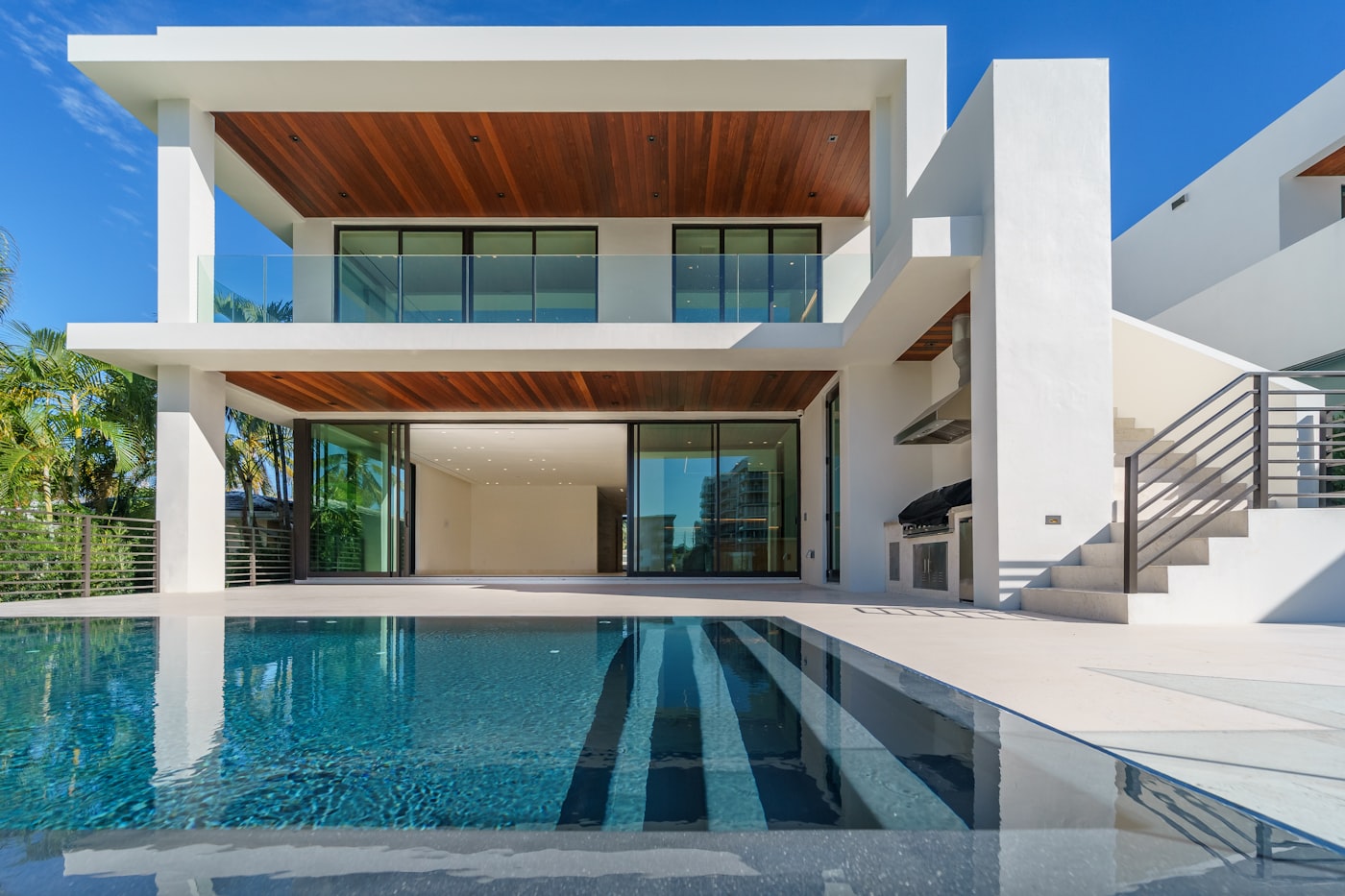
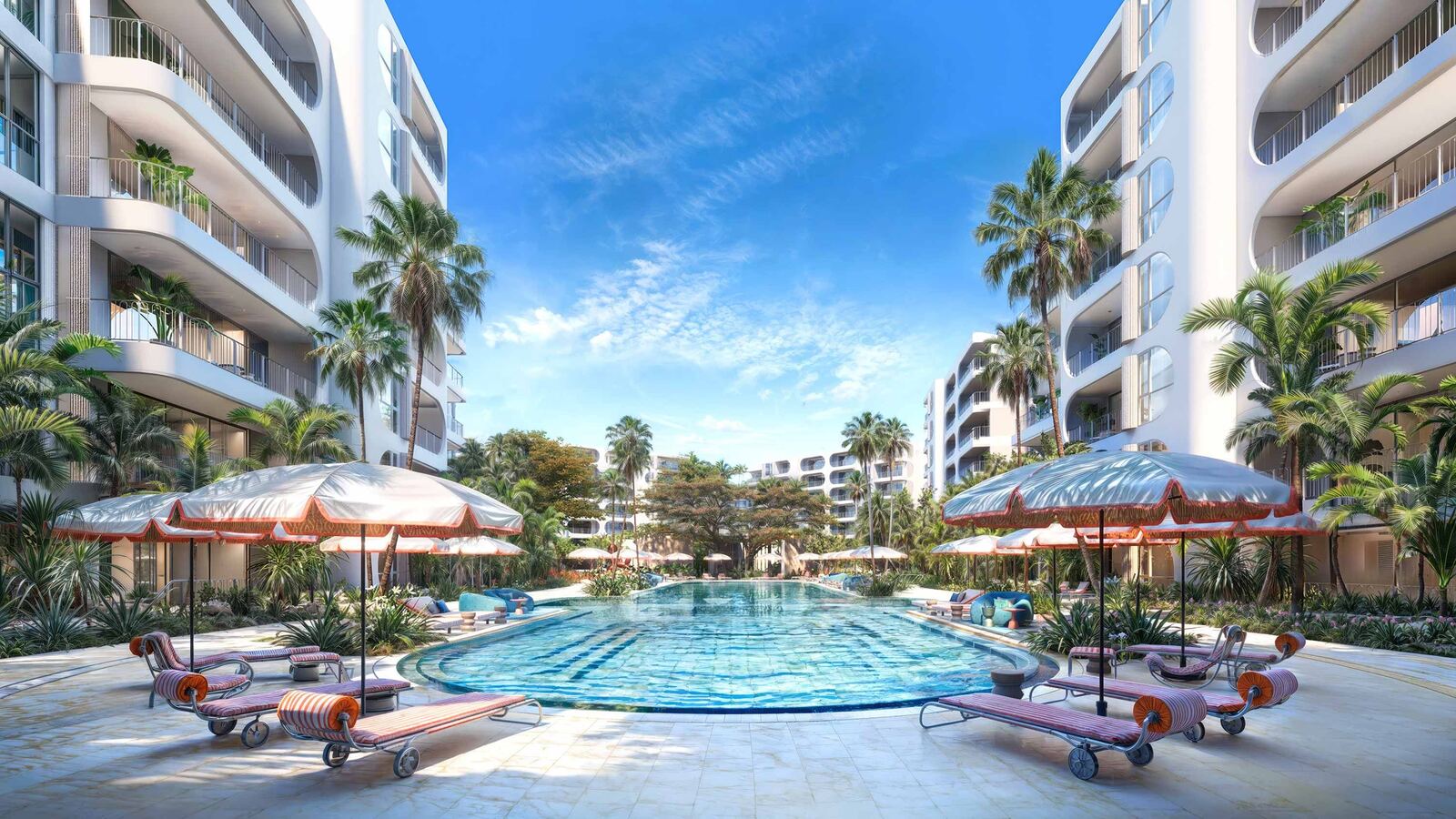
 Photo: The Standard — exterior. Brand Atlas
4 September 2026 ·4 min read
Branded Residences vs Serviced Apartments: What's Actually Different

Both formats promise the same experience: a home-sized space with hotel-grade service. The distinction that matters is who holds the asset risk.
The core comparison
| Branded residence | Serviced apartment | |
|---|---|---|
| What you hold | Title to the property | A tenancy or licence to occupy |
| Term | Perpetual, subject to tenure | Nights to months, occasionally years |
| Who pays for service | Owner, via annual service charge | Guest, inside the rate |
| Capital exposure | Full property price and value risk | None |
| Exit | Resale, subject to market and brand terms | Notice period |
| Typical operator | Luxury hotel or lifestyle brand | Extended-stay or aparthotel operator |
| Positioning | Luxury, trophy, second-home | Mid to upper-mid, corporate, relocation |
Why the confusion is understandable
Three genuine overlaps exist. First, some branded residences let unsold or pooled units on medium-stay terms, which places them in the same booking channels as serviced apartments. Second, several hospitality groups run both products under adjacent brands. Third, in Asia and the Gulf, mixed schemes routinely stack serviced apartments, hotel keys and branded residences in a single tower with one lobby.
The practical test: if you can buy it, it is a residence; if you can only book it, it is a serviced apartment.
The investment logic is different
A serviced apartment consumed as accommodation has no investment dimension for the occupier at all. Where investors do encounter the format is as serviced-apartment blocks sold as investment units, often with a guaranteed-yield period. This is a fundamentally different asset class from a branded residence:
- Returns are driven by operating performance, not by capital appreciation of prime residential.
- Guaranteed-yield periods are typically 3–5 years and are only as good as the guarantor's balance sheet.
- Exit liquidity is thin, because the buyer pool is investors rather than the far deeper pool of people who want to live somewhere.
- The unit is usually smaller and specified to an operating standard, not a residential one.
A branded residence draws its value from the underlying prime residential market first and the operating platform second. That ordering is the reason it holds value more resiliently through cycles.
Where the two are converging
The interesting movement is in the middle. Luxury brands are launching lighter-service residential products with fewer amenities and a lower service charge, aimed at buyers who want the standard without a hotel-scale cost base. At the same time, premium extended-stay operators are moving upmarket into design-led, long-stay product with residence-style layouts.
For developers this creates a genuine strategic choice on mixed sites: sell the residential component at a branded premium, or retain it as an income-producing serviced product. The answer depends on the capital structure and the hold period, not on the brand.
Which is right for you
Serviced apartment, if you need somewhere for weeks or months, want no capital exposure, and value flexibility over tenure.
Branded residence, if you want a home in the location, expect to use it for years, want the service standard permanently, and are comfortable with the annual cost of carry and prime residential price risk.
Neither, on investment grounds alone, unless you have modelled the running costs honestly. A branded residence is a good store of value in a strong location and an expensive one in a weak location. The brand does not change that; it amplifies it.
For developers weighing the formats
- 01Run a premium study before assuming branded residential outperforms a retained serviced product.
- 02Model the service charge the residential buyer will bear, and test whether the target market accepts it.
- 03Consider the exit: branded residential is a sell-down; serviced apartments are an income asset that can be traded whole.
- 04Remember that the two require different brands. Very few operators are credible at both.
Frequently Asked Questions
What is the difference between a branded residence and a serviced apartment?
A branded residence is property you own, with hotel-style services provided under contract and paid for through an annual service charge. A serviced apartment is accommodation you rent, with services included in the nightly or monthly rate and no capital exposure.
Are serviced apartments a good investment compared with branded residences?
They are a different asset class. Serviced-apartment investment units depend on operating performance and often come with a time-limited yield guarantee, with a thin resale market. Branded residences draw value from the prime residential market first, which historically produces more resilient capital values.
Can you live permanently in a serviced apartment?
In most markets yes, on rolling or long-stay terms, but you acquire no ownership and no protection against rate increases. Buyers who expect to be in a location for many years generally find owning more economical once the total rental cost is compared with the cost of carry.
Do branded residences and serviced apartments ever share a building?
Frequently, especially in Asia and the Gulf, where a single tower may combine hotel keys, serviced apartments and branded residences. Where that happens, the allocation of shared amenity and running costs between the components is the key thing for a residential buyer to examine.
See also
Comparisons & alternatives
- Branded Residence Ownership Structures Explained: The 2026 Guide
- Hotel-Branded vs Design-Branded Residences: The 2026 Comparison
- What Are Branded Residences? 2026 Definition, Models and Market Size
- Trustworthy Branded Residence Brands in 2026: How to Judge Credibility
- How Do Branded Residences Work? The 2026 Operating Model Explained